

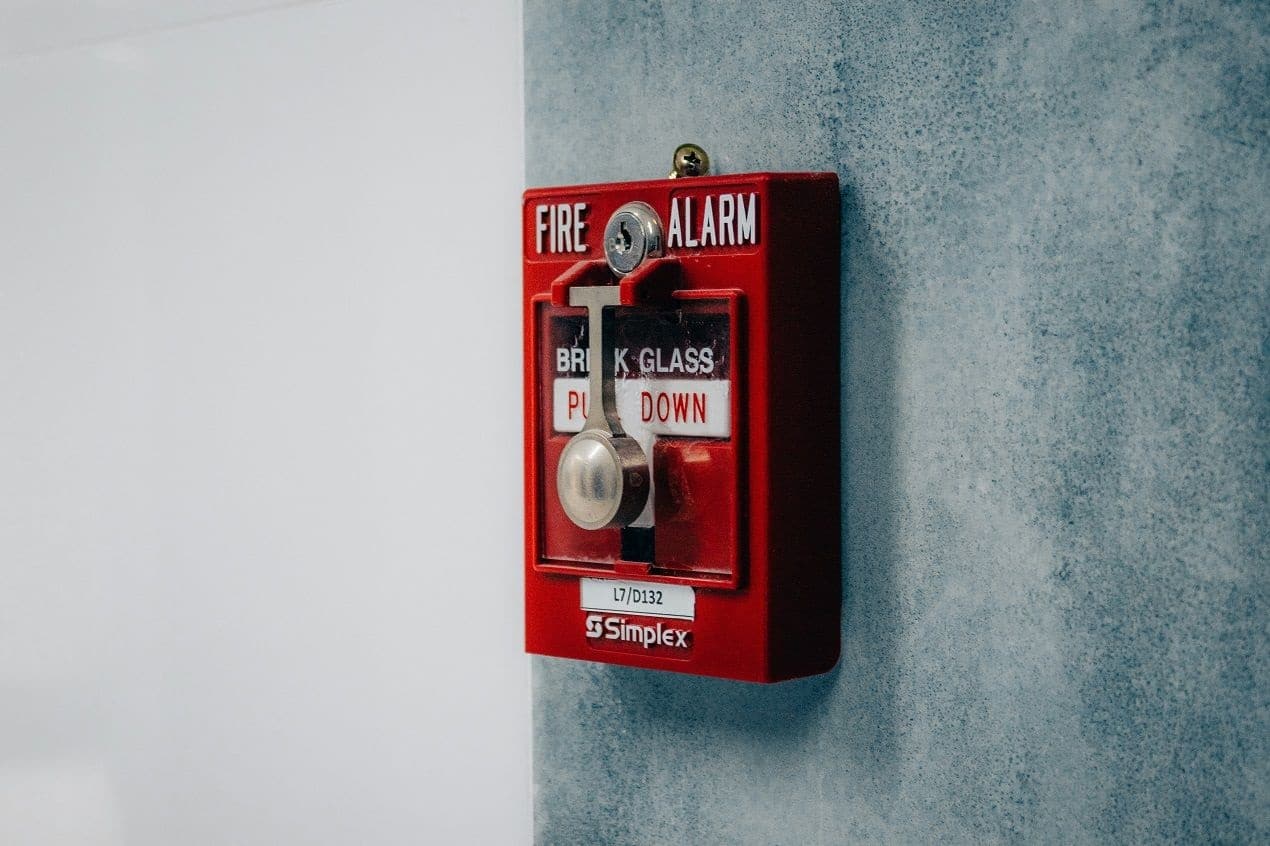
Typically, homeowners press the test button now and then, hoover around the case edges to keep the detector clear of cobwebs, and change the batteries whenever they beep – usually in the middle of the night. But, great maintenance is more than just replacing the backup cell now and then.
Testing vs. maintenance – know the difference
Many times people confuse testing and maintenance to be the same thing. The reality is, though intertwined, they serve different purposes. Testing is the means by which you obtain immediate confirmation of how a piece of hardware is functioning. Maintenance, on the other hand, creates a continuous environment that ensures the proper functioning of components.
How connected systems reduce the friction
The main reason why maintenance doesn’t happen is that humans are too forgetful. The old alarm won’t get cleaned for three months, who’s going to remember that? The battery’s low on that one, but it’s only something people notice when the alarm wakes them at 2am.
Modern connected alarm systems change all that. You can manage your protection system from an app, be warned of low batteries before the chirping starts, and technology allows you to know the status of every alarm in a building. For landlords of houses of multiple occupation, that remote visibility is genuinely useful – you don’t have to visit every address to offer proof alarms are operating, you just check your app.
They make it easier to keep a maintenance schedule, too. If all those status updates are being added to a maintenance log automatically in the cloud, the maintenance log just kind of writes itself.
That said, as useful as a connected system is, it is still there to complement a schedule you determine. You’ve still got to test, clean, and replace alarms – the system will just give you a nudge and keep a record when you do.
Build a calendar that actually holds up
The best approach for managing fire alarms is breaking the tasks down and performing them throughout the year, instead of having to do everything at once during a big annual check.
Here’s a schedule that can help you with this:
Monthly: Press the test button on each alarm to check it. If you have an interconnected alarm – where one unit triggers all the others in the network – make sure all the units sound the alarm when one is activated. Write the date in a maintenance log.
Every two to three months: Vacuum around the grilles of the alarm and give the casing a wipe with a dry cloth. Dust and cobwebs are the biggest cause of false alarms, but the steam from the bathroom or the fumes from cooking can also cause the alarm to sound if it hasn’t been cleaned in a while.
Annually: Replace the batteries in any alarm that isn’t fitted with a sealed, long-life power source. Don’t wait for the low-battery chirp – it’s a failsafe, not a reminder. If you do it on the same date each year, you’re less likely to forget.
Every ten years: Replace the alarm entirely. Most smoke alarms, along with carbon monoxide detectors, have a ten-year lifespan. The sensor degrades over time, even if the alarm still responds when tested. A maintenance log that records the dates of when units were installed makes it easy to notice when a unit is due for replacement before it becomes unreliable.
What landlords need to know
It is also a legal requirement for private landlords. You must have working smoke and carbon monoxide alarms on every storey of the rental property that is used as living accommodation.
Equally, in the event of a fire, if it was found that the landlord could not demonstrate that they had been tested and maintained correctly, (including regular testing) the landlord could be held liable.
To be seen to be taking all reasonable precautions as a landlord, it’s a good idea to keep a record of all tests of all alarms on the premises. Log if it was a test or a replacement and date these, to ensure you have a complete record.
Keep the log, prove the habit
Keeping a record of maintenance activities is key to ensuring a fire alarm system is functioning well. You can have as great a maintenance schedule as you like but without any record of it you might as well not have bothered.
A maintenance log can be as simple as a paper record with the columns: alarm location, date tested, date batteries changed, and issues/comments. Alternatively, for those more electronically inclined, a spreadsheet could work just as well.
It’s highly unlikely you’d ever be asked to produce such a document when calling emergency services and your fire department enquires. But just knowing that you could will be enough of a motivation for some to get the maintenance schedule and log up to date.