

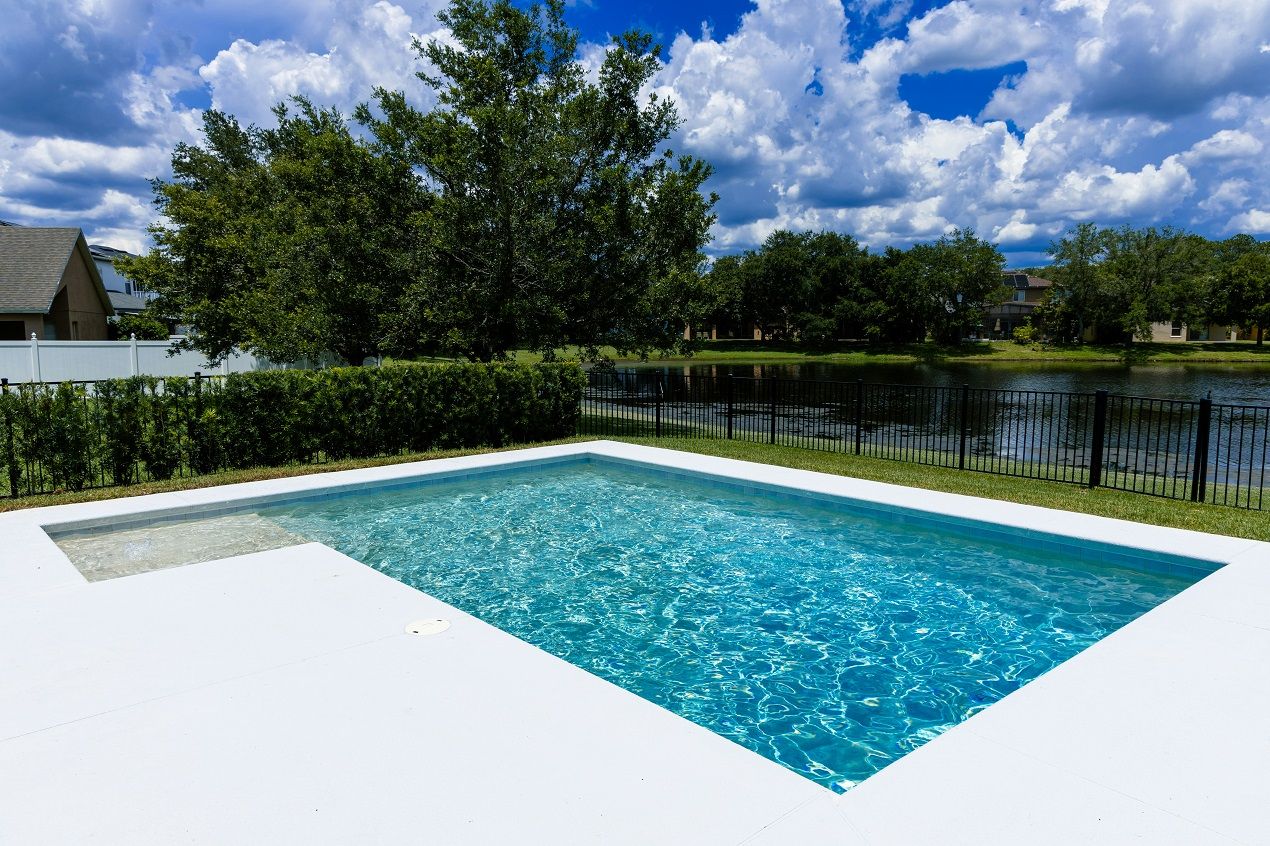
Installing a pool is one of those projects where small oversights early on turn into expensive headaches later. A poorly chosen location, rushed ground prep, or mismatched equipment can shave years off a pool’s lifespan and cost far more to fix than to prevent. Knowing where homeowners typically go wrong gives you a real advantage before the first shovel hits the ground.
Choosing the Wrong Location for Your Pool
Placement decisions get made too quickly, usually based on what looks good rather than what actually works. A spot under a large tree means constant leaf cleanup and root systems that can eventually interfere with the shell. Low-lying areas collect runoff after every rainstorm, putting extra strain on drainage and increasing the risk of shifting ground beneath the pool. Proximity to underground utility lines is another issue that surfaces only after digging has already started, forcing a redesign mid-project.
A good location balances sun exposure, drainage, distance from structures, and easy access for equipment during installation. This is also where working with a company that handles the entire process pays off – they catch these issues during the planning stage instead of during excavation. StainlessSwim, for example, manages everything from site evaluation to final setup, which is part of why their livestock tub pool installations tend to go smoothly even on tricky lots. Getting a professional opinion on placement before committing to a spot saves both time and money down the line.
Poor Ground Preparation Before Installation
Skipping proper ground prep is one of the most common – and costly – mistakes in pool installation. An uneven base leads to shell warping, uneven water lines, and pressure points that weaken the structure over time. Soil that hasn’t been compacted properly can settle unevenly months after installation, even if everything looked fine on day one.
Excavation depth also matters more than people expect. Too shallow, and the pool sits above grade in ways that complicate access and aesthetics. Too deep, and drainage problems start creeping in. A solid base layer, correct leveling, and compacted soil are non-negotiable steps, not optional extras. Cutting corners here almost always shows up as a bigger repair bill later.
Choosing the Wrong Pool Size for Your Backyard
Sizing a pool without accounting for the actual dimensions of the yard is a mistake that’s hard to undo once installation is complete. A pool that’s too large leaves no room for decking, landscaping, or safe walking space around the perimeter. One that’s too small feels like an afterthought and doesn’t match how the space is actually used.
Think through how the pool will function day to day – lap swimming, lounging, entertaining guests – before locking in dimensions. Take into account setback requirements from property lines and structures, since these vary by municipality and directly limit how large a pool can be. Walking the space with actual measurements, rather than estimating from a photo or a rough sketch, prevents a lot of regret after the fact. StainlessSwim’s team typically walks the property with clients during the planning stage for this exact reason, so sizing decisions are based on the real yard rather than guesswork.
Mistakes During Pool Equipment Installation
Equipment problems don’t always show up right away, which is exactly why they’re so easy to overlook during installation. A pump that struggles or plumbing that leaks slowly can go unnoticed for weeks before the damage becomes obvious.
Incorrect Pump and Filter Setup
Undersized pumps and filters are a frequent issue, especially when homeowners try to save money upfront. A pump that isn’t matched to the pool’s volume won’t circulate water efficiently, which leads to cloudy water, algae growth, and filters that clog faster than they should. Filter media also needs to match the filtration system it’s paired with – mixing incompatible media types reduces efficiency instead of improving it.
Poor Plumbing Connections
Loose fittings, incorrect pipe sizing, and rushed connections are behind a large share of post-installation leaks. These issues are often invisible during a walkthrough and only reveal themselves once the system has been running under real pressure for a while. Proper plumbing installation includes pressure-testing every connection before the pool is filled, not after problems start appearing.
Ignoring Local Pool Codes and Permit Requirements
Every municipality has its own rules covering fencing, electrical setup, setback distances, and safety barriers. Skipping permits or ignoring code requirements might seem like a shortcut, but it usually leads to fines, forced modifications, or complications when selling the property later. Electrical work in particular needs to meet code exactly – a standard pump typically runs on a 120V GFCI outlet with a 15 Amp breaker, while heating and cooling units usually require a hardwired 220V connection with a 20 Amp breaker. Getting this wrong isn’t just inconvenient, it’s a safety issue. Checking local requirements before installation begins, rather than after, avoids having to redo work that was already finished.
Conclusion: How Proper Installation Prevents Future Pool Problems
Most pool problems trace back to decisions made before the water ever goes in. Location, ground prep, sizing, equipment setup, and code compliance aren’t separate boxes to check off quickly – they’re connected steps that determine how well the pool performs for years afterward. Taking the time to get each one right from the start costs less than fixing them later.
This is where working with an experienced team makes a real difference. StainlessSwim builds custom tank pools with full project management from initial site evaluation through final installation, so the details that typically get overlooked – drainage, equipment sizing, code compliance – are handled correctly the first time. A pool installed properly doesn’t just look better on day one; it stays reliable for seasons to come.