

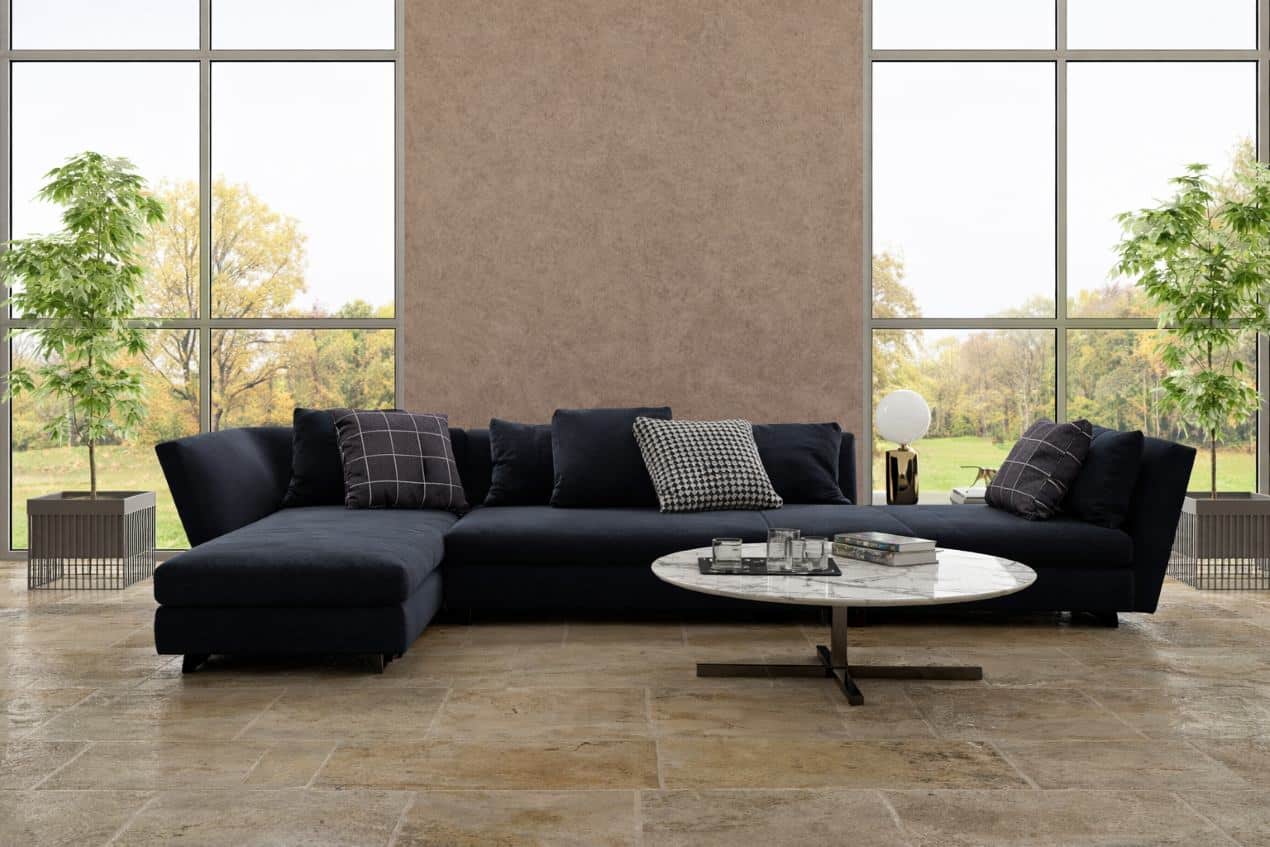
Every room has a story to tell, and furniture is the part that brings the story to life. Instead of thinking about what looks good on its own, picture how each piece connects with the walls, the lighting, and the way you move through the space. A living room, for example, can be transformed simply by adding a corner lounge suite that wraps around the room’s natural shape. This kind of placement doesn’t shout for attention; it quietly improves comfort and gives the room a place for conversations to settle.
Matching furniture to your interior isn’t about trends or rules. It’s about noticing what feels right when you walk into a room; the flow, the mood, the first impression. With a little attention to scale, colour, and personality, your furniture becomes part of a home that speaks your style without trying too hard.
Furniture Selection Tips That Match Your Needs:
Start with Understanding Your Space
Before buying any furniture, take time to look around your room. Notice the size, shape, natural light, and traffic flow. These details help determine what kind of furniture will improve the space instead of overwhelming it.
- Measure the room length and width.
- Note window and door placement
- Check where people walk through the space
- Think about how you use the room daily.
This simple planning step prevents buying items that are too big, too small, or not very practical for your home.
Identify Your Style and Theme
Every home has a style, even if you haven’t noticed it yet. You may prefer a look that is clean and modern, warm and classic, bold and artistic, or calm and natural. Once you recognise your style, furniture selection becomes easier.
Here are a few common design themes:
- Modern: Smooth lines, simple shapes, and minimal décor
- Contemporary: Fresh trends, mixed materials, and sleek finishes
- Traditional: Curved details, soft fabrics, and warm tones
- Scandinavian: Light colours, functionality, and natural elements
- Industrial: Metal touches, dark tones, and rustic materials
Choose furniture that blends with the theme of your room instead of clashing with it.
Choose the Right Colours
Colour plays a major role in creating harmony in your space. Neutral shades like grey, white, beige, and soft browns are always popular because they combine well with different décor items. Bright colours can bring a lively feel when used in cushions, chairs, or decorative pieces.
Here’s a simple way to mix colours:
- Keep large furniture neutral
- Add pops of colour through small décor
- Match shades with your wall, floor, and curtains
Soft colour balance creates a calming environment while making your furniture stand out beautifully.
Focus on Function and Comfort
Furniture should feel good, not just look good. Consider how your family uses the space:
- Do you often relax on the sofa to watch movies?
- Do you host family dinners frequently?
- Do you need more storage space?
In the bedroom, comfort should always take centre stage, and the bed is the piece that defines the entire atmosphere of the space. More homeowners today are gravitating toward king-size beds, not just for their generous proportions but for the sense of luxury and ease they bring to everyday living. A well-designed king-size bed offers ample space to stretch out, superior durability, and a level of support that promotes truly restorative sleep.
Pay Attention to Scale and Proportion
Even the most beautiful piece can look out of place if its size doesn’t match the room. Here’s how to maintain proportion:
- Large rooms look best with bigger furniture.
- Smaller areas need compact designs
- Avoid blocking walkways or windows
- Arrange furniture so each piece has space to breathe.
For example, a giant sofa in a tiny living room will feel cramped. But sectional or corner seating can maximise seating without overcrowding.
Mix Materials and Textures for Depth
Rooms look more interesting when they include a mix of materials. Wood brings warmth, fabric adds softness, and metal provides a modern touch. Glass makes small spaces appear more open.
Try blending:
- Wooden extendable dining tables with cushioned chairs
- Metal light fixtures with fabric lounges
- Soft rugs with leather seating
Texture is a quiet but powerful design tool that improves comfort while enhancing visual appeal.
Consider Lighting and Atmosphere
The furniture you choose should work with the lighting in your home. Natural light can highlight textures and shapes beautifully. Lamps and light features create evening comfort and enhance your décor.
- Lighter furniture brightens dark corners.
- Glass and metal reflect light well.
- Dark furniture suits well-lit, spacious rooms.
Good lighting makes every piece of furniture look more attractive.
Conclusion
Choosing furniture that matches your interior space becomes easy when you plan with purpose. Measuring your room, deciding your style, picking suitable colours, and focusing on comfort all help create a home that feels coordinated and enjoyable. The right furniture supports the way you live, brings out the beauty of your space, and adds a sense of personality that makes your home truly yours. With thoughtful selection, every room can become a welcoming environment you look forward to spending time in every day.