

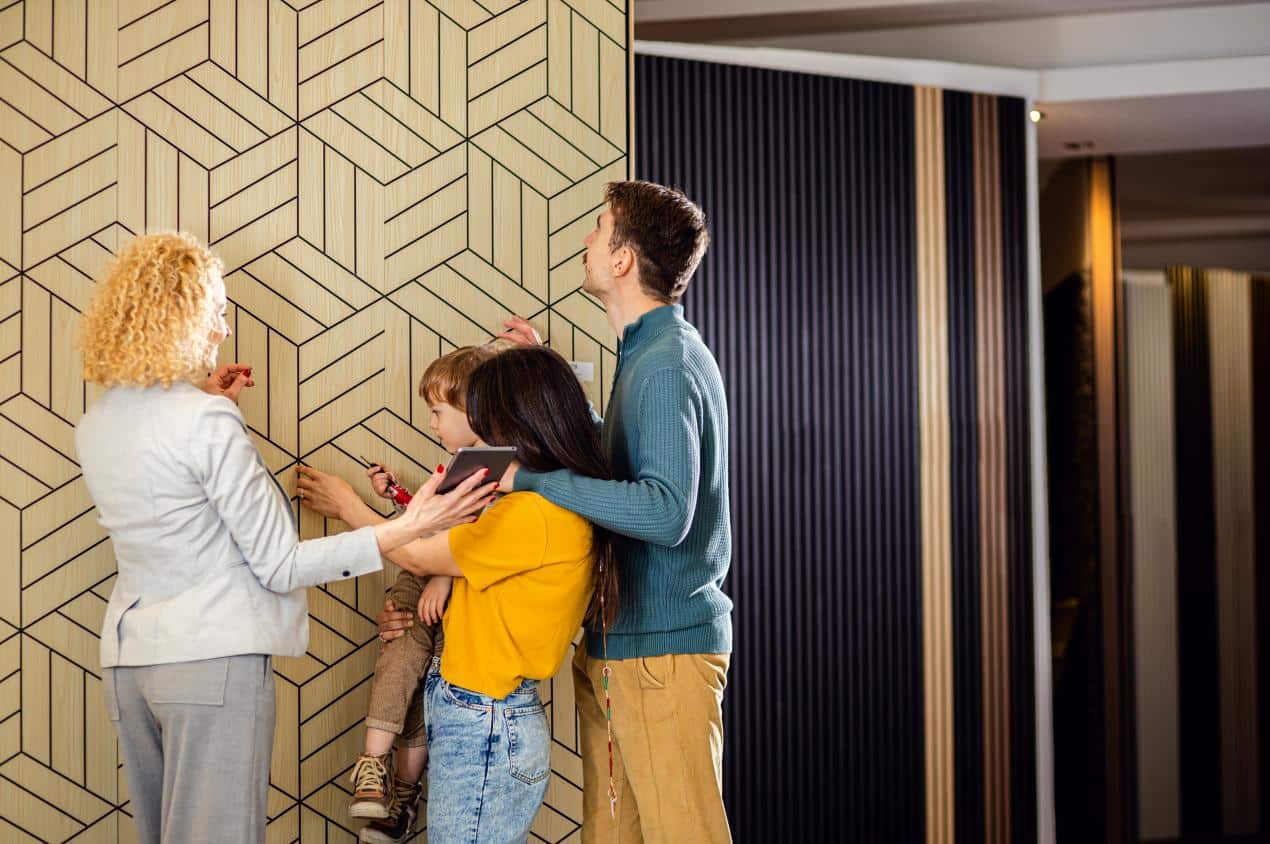
The sensation of a balanced room often comes from an understanding of how shapes lead the eye. The combination of lines, shadows, and patterns creates a sense of movement within a space, and a thoughtfully placed wall panel can subtly guide that visual journey.
For this reason, structured surfaces are frequently used by homeowners and designers as a tool to bring order, warmth, and depth to a room. In the midst of this design transformation, people often consider how a wall panel can turn an empty surface into something both purposeful and visually calming at the same time.
Why Geometry Matters in Interior Design
Geometry shapes how we move through a room. Clean vertical lines can make a wall feel taller, especially when introduced through a well-designed wall panel. The distribution of weight and movement within a space is influenced by geometry. By using vertical elements in a wall panel, a sense of height can be added to a wall, while horizontal lines help express openness and emphasize width across the room.
The addition of panels changes the perception of large blank areas and adds structure to spaces that might otherwise feel lifeless. These lines naturally attract the eye, and over time, the gentle flow they create helps tie the room together.
Benefits of geometric flow:
- Helps anchor furniture arrangements.
- Makes small rooms feel more defined.
- Adds depth without extra clutter.
- Guides movement from one area to another.
Geometry is not only visual; it improves how a room feels when you walk into it.
Choosing Panel Styles That Support the Mood
Not all panels create the same atmosphere. Square grid designs feel modern and orderly. Slim vertical slats feel airy and elegant. Wide board styles feel rustic or relaxed. Your choice depends on how you want the room to behave. Softer shapes add comfort, while sharper geometry brings a sense of sophistication.
Style considerations:
- Use narrow lines for a minimalist look.
- Choose textured surfaces for warmth.
- Combine soft tones for a calm mood.
- Try bold shapes for contemporary energy.
The right pattern can quietly influence the emotional tone of a room.
Creating Visual Flow Across Connected Spaces
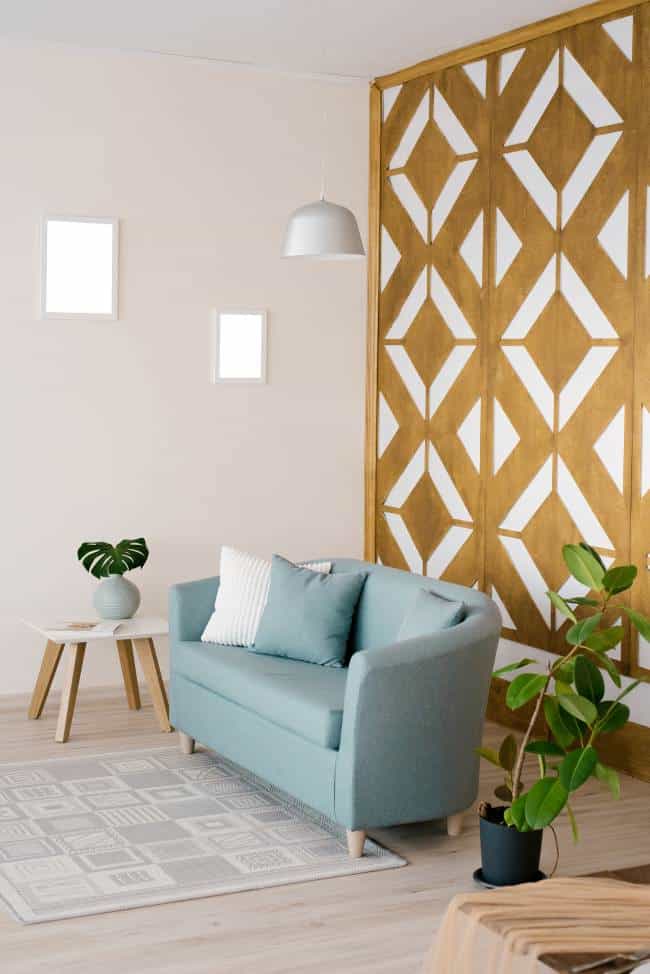
Open-concept layouts offer freedom but can feel disconnected if not treated carefully. Panels help by linking spaces through repeating shapes. For example, a hallway with vertical lines can transition smoothly into a living room with matching accents. Even small echoes of a pattern create a continuous, welcoming path.
Ideas for joining spaces:
- Use similar tones with repeating panel styles.
- Keep line direction consistent in adjoining rooms.
- Allow patterns to fade subtly rather than stop abruptly.
Soft lighting applied to these transitions makes them even more visually appealing. These elements help the home feel thoughtful and unified in appearance.
Using Panels to Highlight Architectural Features
Panels can mark areas you wish to spotlight. Subtle texture can be applied to a fireplace wall, a reading nook, or a headboard backdrop. The panel structure draws attention without being intrusive, creating a soft focal point.
Ways to highlight features:
- Place panels behind shelves or artwork.
- Choose contrasting colors for added depth.
- Match panel lines with window or door frames.
- Use curved forms for softer feature walls.
Panels work best when they support, rather than overpower, the room.
Bringing the Idea Together with Practical Design
Every panel installation should balance beauty and function. Consider furniture placement, natural light levels, and the paths people use when moving through the space. When panels align with these elements, the room gains a natural rhythm that feels pleasing from every angle.
As you refine your layout and explore finishing touches, it becomes clear that a wall panel is more than decoration. It acts as a guide for the room’s energy and movement.
Choosing the right panel design can completely transform a home’s character. With the right combination of shapes, colors, and materials, even an ordinary space can feel intentional. Geometric patterns bring visual balance, and strategic panel placement turns dull walls into captivating design elements that enhance comfort, style, and flow throughout the space.