

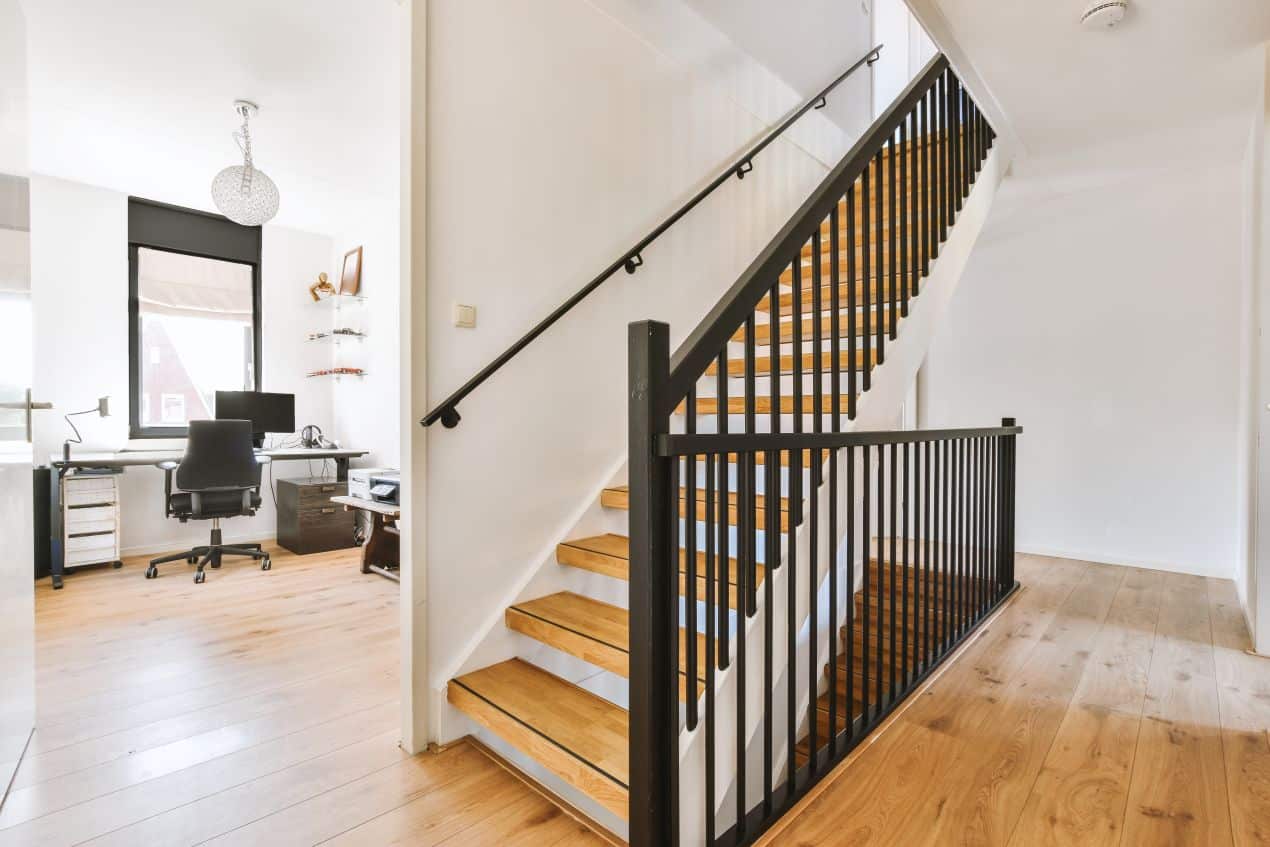
Staircases are more than just functional structures that connect one level of a home or building to another. They are also design features that shape the way a space feels, adding character, rhythm, and visual flow. But a staircase is never complete without its most essential companion the handrail. Beyond its role in safety, the right handrail influences how the entire staircase looks and how people interact with it daily.
Choosing the ideal stair handrail is about balancing practicality with aesthetics. The decision requires thought about durability, comfort, and design cohesion. While it may seem like a small detail, the handrail you select will leave a lasting impression. Knowing a few practical tricks can make the process far easier, ensuring your choice enhances both safety and style.
Understanding the Role of a Handrail
Before diving into styles and materials, it helps to think about what a handrail truly represents. For many, it’s a source of stability and security. For children or seniors, the handrail may be the feature they rely on most when moving up or down the stairs. For designers, it’s an architectural line that frames the staircase, providing proportion and balance.
The ideal handrail, then, must meet both sets of expectations: it must feel dependable to the touch while also complementing the overall look of the home. Keeping both perspectives in mind helps narrow down options more effectively.
Matching Material to Lifestyle
The first practical consideration is the material of your handrail. This choice should reflect not only the look you want but also how much maintenance you’re willing to commit to.
Wood has long been a traditional favorite for its warmth and classic appeal. However, it requires ongoing care sanding, staining, or refinishing to keep it looking fresh. Wrought iron can add elegance and intricate detail but is prone to rust if not treated properly.
Steel, by contrast, has surged in popularity for its durability and versatility. It resists wear and needs little upkeep, making it a practical solution for busy households. With powder-coated or brushed finishes, steel handrails fit effortlessly into both modern and traditional spaces. Choosing a material that suits your lifestyle ensures the handrail will remain as functional as it is attractive.
Considering Comfort and Grip
A handrail’s primary function is to provide support, which means comfort is key. The diameter of the rail should fit naturally in the palm of your hand. If it’s too wide or too narrow, it becomes less effective. Rounded profiles often feel smoother and more inviting, while angular designs might suit contemporary interiors but can be less ergonomic.
Another factor is consistency. A good handrail should offer a continuous grip, free of interruptions or awkward transitions, from the top of the staircase to the bottom. This small detail is often overlooked, but it makes a significant difference in daily use, especially for people who rely heavily on the rail for stability.
Balancing Safety and Style
Handrails are required by building codes for a reason: safety. But safety doesn’t have to come at the expense of aesthetics. In fact, the best staircases use the handrail as a way to tie together the entire design.
In open-plan homes, a slim steel handrail paired with glass can create a sense of transparency and lightness. In traditional spaces, darker finishes can add contrast and depth. Even bold modern designs benefit from the sleek structure of steel rails that keep lines clean and simple.
The trick is to see the handrail not just as an accessory but as a design feature in its own right. By giving it the same consideration as flooring, lighting, or wall finishes, you elevate the staircase into a feature that feels intentional rather than functional alone.
Thinking About Long-Term Value
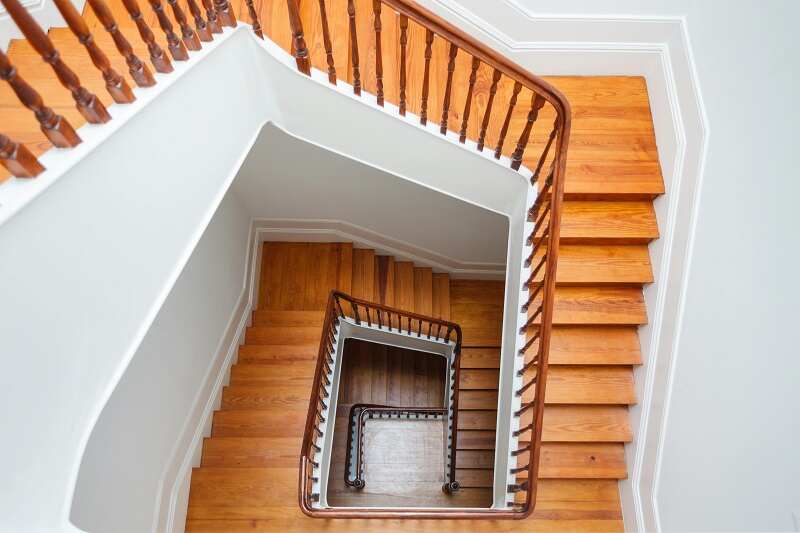
When choosing the ideal handrail, it’s important to think beyond the immediate impact and consider the long-term value. High-quality materials may cost more upfront but save time and money over the years. Durability reduces the need for replacements, and timeless styles remain appealing even as trends change.
This is where trusted suppliers come in. With a wide range of options, sihandrails makes it easier to find designs that match both your vision and your practical needs. By focusing on quality craftsmanship, you’re not only ensuring safety today but also creating a detail that will last for decades.
Integrating Handrails Into the Bigger Picture
A staircase doesn’t exist in isolation it’s part of the larger architectural flow of your home. This means the handrail you choose should align with surrounding design elements. Think about the finishes of your doors, lighting fixtures, or flooring. A steel handrail with a brushed finish, for instance, might echo stainless steel kitchen appliances or chrome hardware in bathrooms, creating a cohesive design language.
Lighting also plays a role. A handrail with a reflective surface will catch and highlight natural or artificial light, while a matte finish will recede into the background. Considering how the staircase interacts with its environment ensures the handrail feels like a natural extension rather than an afterthought.
Tricks for a Smooth DIY Installation
For those who enjoy tackling projects themselves, installation can be a satisfying step in the process. The key trick here is preparation. Accurate measurements, properly spaced brackets, and the right tools make all the difference.
Always use a level to ensure your handrail aligns evenly from top to bottom. When drilling into walls, select anchors suited to your wall type masonry, wood studs, or drywall. If working with steel, remember that it can be heavy, so having an extra set of hands during installation is invaluable.
The goal is not just to install the rail but to make it feel as though it has always belonged. A properly fitted handrail blends seamlessly with the staircase, giving the entire feature a professional finish.
Final Thoughts
Choosing the ideal stair handrail might seem like a small decision compared to larger design elements, but it has an outsized impact on both safety and style. The right material, comfort, and design ensure your staircase is more than a functional necessity it becomes an integral part of your home’s character.
By thinking carefully about durability, grip, and integration into your overall design, you create a staircase that feels intentional, elegant, and secure. Whether you lean toward timeless wood, ornate iron, or the modern strength of steel, the perfect handrail balances beauty with reliability.
Ultimately, the best trick for choosing a handrail is to see it as an investment in your home’s future. It’s a detail you and your family will interact with every day, one that supports not only your steps but also the style and safety of the entire space.