

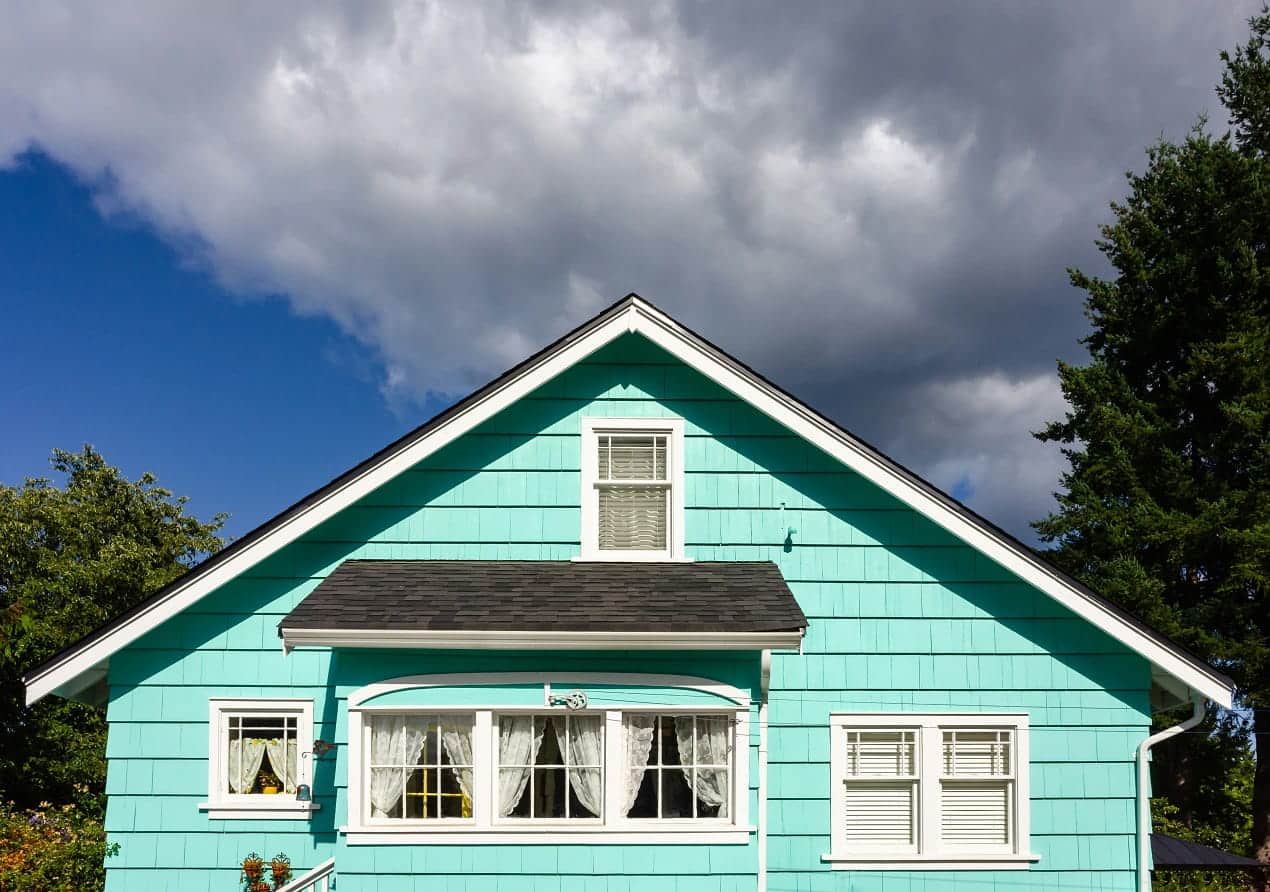
Looking to protect your home? One of your biggest investments?
While siding serves as a home’s aesthetic appeal, it also protects your home against rain, wind, pests and everything else that nature can throw its way. However…
When siding is damaged or starts to fall apart…
It’s more than just an eyesore.
Damage to your home’s siding can lead to severe structural issues that cost homeowners thousands of dollars to repair.
Fortunately…
Most siding problems can be caught early. Knowing when you can DIY vs. when to call a contractor will save you tons of time, money and headaches.
Let’s dive into:
- The Most Common Siding Problems
- Signs That Your Siding Needs Professional Help
- When to DIY vs. Call a Contractor
- How To Find the Right Contractor for Siding Work
The Most Common Siding Problems
Siding materials each have their own unique problems. However, there are several issues that occur frequently no matter the siding material.
Here’s a quick rundown of the most common siding problems homeowners will face.
Cracking and Warping
You can typically spot this problem just by looking at your siding.
As your siding expands and contracts over time due to temperature changes, panels can begin to crack, warp or buckle. This issue is very common with vinyl siding during cold winter months.
The issue with cracking…
One or two cracks here and there may not seem like a big deal, but cracks in your siding allow for moisture to get behind your siding panels. Once moisture makes its way behind siding, the real problems begin to show.
Water Damage and Moisture
Water is siding’s number one enemy.
If moisture begins to accumulate behind siding panels due to gaps, cracks or improper sealing… You’re looking at the potential for wood rot, mold growth and insulation damage that can spread like wildfire. The Insurance Information Institute reports that 1 in every 67 insured homes has a water damage claim each year.
Many of these claims are tied to exterior issues (such as damaged siding) that allowed water to get into the home.
Remember, any time you’re remodeling the exterior of your home water should be the last thing you want seeping into your home. That’s why proper siding installation techniques with appropriate flashing and sealing is imperative for keeping your home protected in the long run.
Fading and Discoloration
Again, this is primarily a cosmetic issue with siding. But it can actually mean more than you think.
UV rays break down siding’s pigment over time. Parts of your home that are exposed to direct sunlight will begin to fade first. You typically see this problem with vinyl siding.
While faded siding can really degrade the curb appeal of your home, it can also be a sign that your siding is starting to fall past its prime.
Pest Damage
Most common with wood siding materials.
Termites, carpenter ants and even woodpeckers can eat away at your home’s exterior before you even know it. These hungry pests tunnel into wood siding and eat away at your home from the inside out.
What most people don’t know…
Pests that cause damage to siding are typically not covered under a homeowner’s insurance policy. That’s why pest damage prevention and quick detection is critical.
Signs That Your Siding Needs Professional Help
The earlier you can catch siding problems, the easier (and cheaper) they are to fix. Keep an eye out for these telltale signs that your siding needs to be repaired by a professional.
- Peeling paint or buckling panels. This is usually a sign that moisture is getting behind your siding and pushing materials away from your home.
- Increased heating and cooling bills. If your energy costs are skyrocketing for no reason, damaged siding could be the cause. Cracked or damaged siding allows air to escape your home.
- Mold or mildew buildup. Particularly common on north-facing sides of homes. This is another sign that moisture is trapped against your home.
- Soft spots. Push along your siding and listen/feel for any soft spots. If the siding gives or feels soft, you can bet that rot has already started.
If your siding is showing any of these signs, don’t wait to get it fixed. The longer you put off repairs, the more costly they will become.
When to DIY vs. Call a Contractor
Depending on what type of siding damage you have, some problems can easily be fixed without professional help.
Small cosmetic issues, like replacing a few cracked panels or cleaning off mold can easily be done by yourself. Grabbing a pressure washer and some tools from your garage will be sufficient for these types of repairs.
Once you start encountering water damage, structural issues or multiple sections of damaged siding, it’s time to call a professional. Not only will you likely mess up a DIY repair (costing you more money to have a contractor come fix your “repair”), but you may void any warranty your siding has if touched by someone who isn’t a certified contractor.
Homeowners that installed new siding typically recoup between 80% – 88% of their money back when selling a home according to the 2024 Cost vs. Value Report from This Old House. Don’t short yourself on that return by installing siding DIY and skipping some of the crucial steps professionals won’t cut corners on.
If your damage is more than 1 or 2 panels OR if you suspect moisture has gotten behind your siding, call a professional.
How To Find the Right Contractor for Siding Work
Imagine handing the keys to your home over to just anyone.
This is essentially what you’re doing when you hire an exterior remodeling contractor.
Make sure you do your research when selecting who to hire:
- Look for licensed and insured contractors.
- Check that they have experience with your siding material. Not all contractors are skilled with every type of siding material.
- Read their warranty information. You should receive a written warranty that details what they cover when working on your home.
- Get detailed estimates. A good contractor will walk you through labor, material costs and projected timelines. Vague quotes are a red flag.
Always get 3 quotes before hiring someone to work on your home. And do your research. Check out online reviews of local companies – they can be very telling.
Wrapping Up
Siding issues are never a fun thing to deal with as a homeowner, but catching them early can make the process a lot less painful.
Something as small as cracked siding can turn into a water damage catastrophe in no time. By knowing what potential problems to look for and when it’s time to call for backup, you can save yourself a lot of stress.
Remember…
Regularly inspect your siding for cracking, soft spots and signs of moisture. Catching these issues early can allow you to DIY quick repairs before they get out of hand. Water damage and structural issues are a contractor-only job. Be sure to hire licensed and insured contractors that offer warranties on their work.
Your home’s siding does more than make your home look good. It’s your first line of defense against water, pests and anything else that can cause major damage to your home. By keeping up with your siding, you’re protecting one of your biggest investments.