

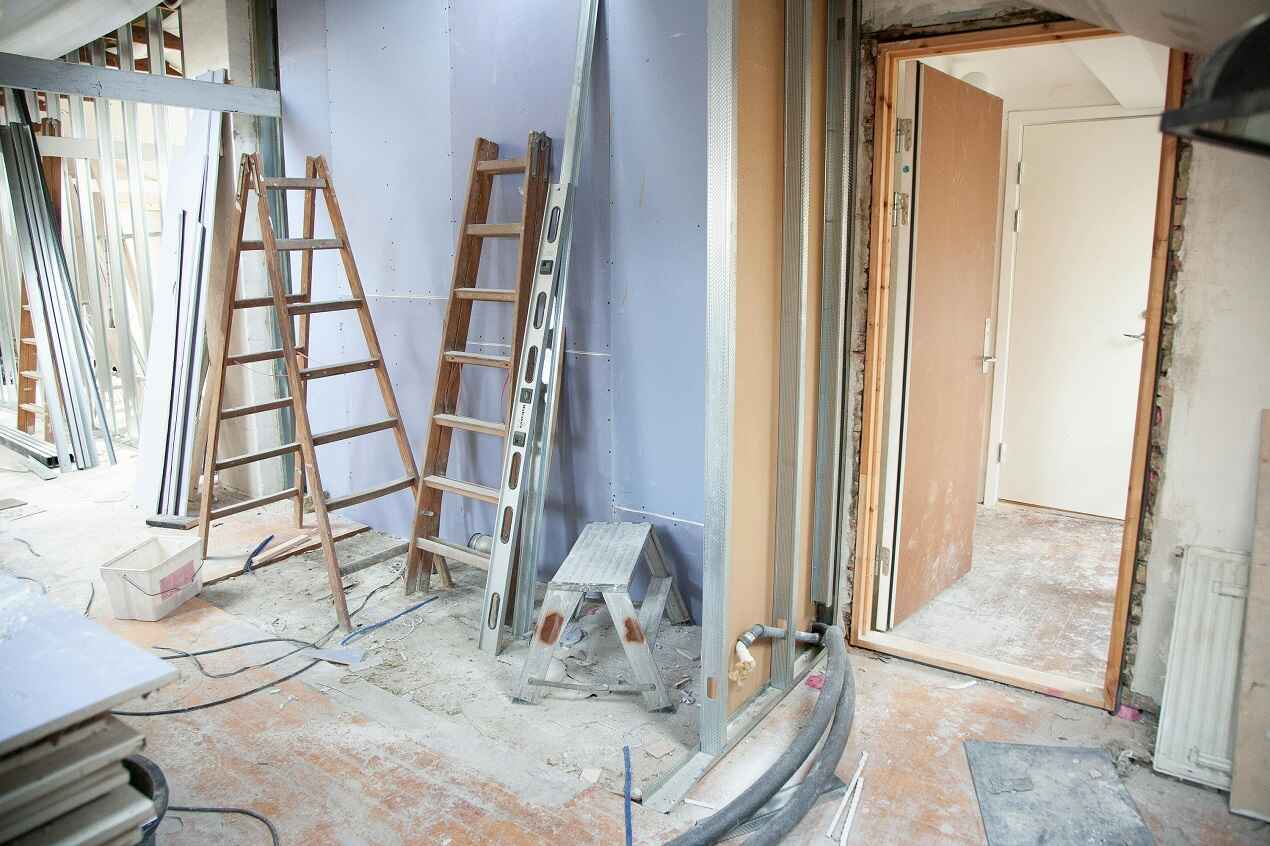
Ever start moving furniture around just to “see what it looks like,” and suddenly you’re three YouTube tutorials deep, researching how to install crown molding? Renovation projects don’t always start with blueprints. Sometimes they begin with a single loose tile, a sticky drawer, or the realization that the ‘temporary fix’ from five years ago is still hanging on. In this blog, we will share how homeowners are planning for renovations, navigating modern challenges, and turning small upgrades into long-term gains.
From Pinterest Boards to Project Timelines
Renovation planning used to be pretty straightforward: a contractor, a paper estimate, maybe a sketch. Today, it begins in the digital space. Homeowners scroll inspiration late at night, pin styles they like, follow remodelers on social media, and often collect months’ worth of visual ideas before even calling a professional. Platforms like Instagram and TikTok have reshaped how people imagine their living spaces—not just what they want them to look like, but how they want them to feel. That vision often includes modern finishes, sustainable materials, better storage, and smart functionality.
This cultural shift toward personalization has changed how renovations get prioritized. It’s not always about resale value anymore. It’s about livability. How does the space support your routines? Where can comfort and practicality meet? That’s why homeowners are paying attention to rooms that used to be ignored in upgrades, like laundry areas, mudrooms, or guest baths. A new layout or surface might not boost square footage, but it can radically improve the way a space is used.
For many, these improvements start with high-impact projects that don’t require major structural changes. A popular example is bath replacement, which delivers both function and aesthetics without the months-long timeline of full gut renovations. Homeowners are finding that replacing outdated tubs or worn-out surrounds not only modernizes the bathroom but also makes daily routines smoother and more enjoyable. These updates tend to be more budget-friendly and quicker to install, making them attractive to families looking for meaningful change without turning the house into a full-time job site. It’s a smart way to refresh a frequently used room without the chaos that comes with larger remodels.
Inflation, Delays, and the Cost of a Good Decision
Renovation dreams may start in mood boards, but they quickly run into reality: cost, materials, and wait times. The post-pandemic housing market saw a surge in remodeling, with homeowners opting to upgrade instead of enter competitive bidding wars for new properties. That demand, mixed with labor shortages and supply chain issues, drove up prices across everything from flooring to fixtures. As a result, homeowners now face tougher choices: Do you delay the project? Scale it back? Or stretch the budget?
A growing number of people are taking a phased approach—focusing on one area at a time rather than overcommitting. This lets them lock in current prices, manage disruptions, and stay aligned with their financial goals. Some are also leveraging home equity loans or financing options to make key improvements without sacrificing savings. In a world where even plywood can swing wildly in price, homeowners have become savvier about when to move and when to wait.
There’s also been a mindset shift. People used to treat renovations as one-and-done investments. Now, they see them as evolving projects. They don’t just remodel the kitchen; they plan for how it can adapt as kids grow or as aging-in-place becomes relevant. The best designs are flexible. Roll-out drawers instead of static shelves. Lighting that adjusts across tasks. Surfaces that look great but hold up to mess. Practicality is no longer the tradeoff for beauty. It’s part of the value.
Who Homeowners Trust—and Who They Don’t
Hiring for a renovation project now involves more than checking a license and asking for a quote. Homeowners want transparency, clarity, and ideally, a little chemistry. They research reviews, visit websites, and look for portfolios before even making contact. The visual storytelling on a contractor’s Instagram feed may matter more than the business card on the fridge.
But trust also comes from how a contractor communicates. Do they return calls quickly? Are estimates detailed and realistic? Do they explain delays or cost changes before they become problems? In the age of on-demand everything, people expect responsiveness—and when it’s lacking, trust erodes fast.
Some homeowners are also leaning into hybrid models. They might handle design themselves through apps or software and bring in pros just for the labor. Others work with project managers who handle scheduling, permits, and procurement. This outsourcing of logistics appeals to busy homeowners who want involvement without micromanagement.
What hasn’t changed is the value of word-of-mouth. Even with endless online reviews, people still trust recommendations from friends, neighbors, and coworkers more than anything else. A neighbor’s smooth remodel experience often carries more weight than any five-star rating.
What the New “Return on Investment” Looks Like
In a changing market, return on investment isn’t always about resale—it’s about peace of mind, comfort, and how a space supports day-to-day life. With remote work still a norm for many households, having a functional, appealing environment matters more than ever. A home that energizes you, that supports routines, and that helps everyone feel settled can be just as valuable as one that checks a future buyer’s boxes.
For example, people are spending on lighting not just to reduce energy costs but to create mood. They’re reworking floor plans to eliminate awkward corners or poorly used hallways. Outdoor spaces—once left as lawn and patio—are being upgraded into full extensions of the home with zones for dining, relaxing, and working.
Renovation as a Reflection of Values
Every renovation decision reflects something deeper: what a family values, what kind of life they’re trying to build, and what trade-offs they’re willing to make. Some people prioritize form. Others care about function. Most try to strike a balance. But the throughline is the same—they’re investing in their environment because it affects how they feel, how they connect, and how they move through the day.
This isn’t about chasing perfection. It’s about making the home reflect the people living in it. And that’s where renovation becomes more than a project. It becomes a process of reimagining what’s possible within the walls we already have.
Even the smallest updates—replacing a worn bath, refreshing tired walls, rearranging storage—can shape how we interact with our space. And when that space works better, we tend to work better too. We focus more. We rest easier. We gather more often. The impact spreads.
In the end, renovation isn’t just about materials and floor plans. It’s about alignment. The goal isn’t just to improve the home—it’s to make it match the life you actually live. And the more thoughtfully that’s done, the stronger and more satisfying the results become.