

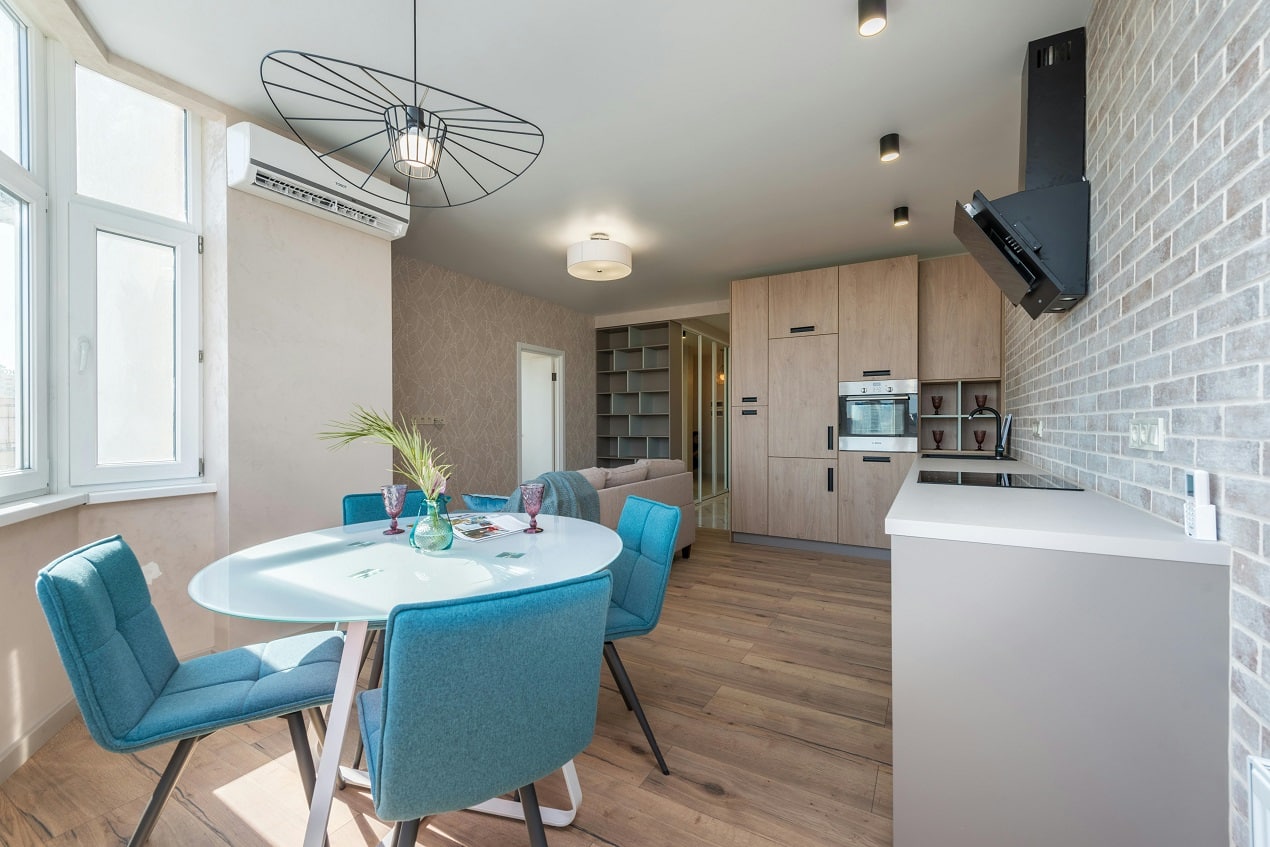
Open-plan living spaces are a staple of modern Australian home design. They bring in generous amounts of natural light, foster family connection, and create a wonderful sense of spaciousness. However, maintaining a consistent indoor temperature across these large, unpartitioned areas presents a unique set of challenges. Without careful planning, achieving comfort during a sweltering summer can quickly lead to skyrocketing electricity bills. In fact, depending on your local climate zone, heating and cooling account for 20 to 50 percent of energy used in Australian homes. Taking a strategic approach to climate control is essential for keeping those seasonal running costs under control.
Understanding the Open-Plan Cooling Load
The average newly built Australian house spans over 235 square metres, ranking among the largest globally. Cooling these expansive layouts requires significantly more mechanical effort than regulating a standard, enclosed bedroom. Furthermore, open-plan spaces typically integrate the kitchen directly with the dining and living areas. Due to the ambient heat generated by ovens, stovetops, and refrigerators, these integrated zones generally require 15 to 30 percent more cooling capacity just to remain comfortable.
When designing a strategy for these areas, homeowners must also factor in the overall energy budget of the property. Under recent national building code updates, new properties must meet strict thermal performance requirements, meaning modern air conditioning systems need to be smarter, more efficient, and more targeted than ever before.
Selecting the Best Climate Control Setup
Choosing the right mechanical equipment is the foundation of any effective cooling strategy. For sprawling layouts, comparing the structural benefits of ducted units against multi-split setups is a crucial first step. Making the right choice here dictates how effectively you can manage your daily usage.
Ducted setups have traditionally been popular for whole-house cooling, providing a seamless aesthetic with discreet ceiling vents. However, to eliminate wasted energy in unoccupied rooms, architects and energy assessors are increasingly recommending highly zoned multi-split setups. A multi-split configuration allows you to connect several distinct indoor units to a single outdoor compressor. This means you can focus your cooling power directly on the living area while the family is gathered there, leaving the bedrooms uncooled until nighttime.
Modern reverse-cycle technology has also transformed what we can expect from these units in terms of output. Today, high-quality models can achieve 300 to 600 percent energy efficiency, meaning they can output three to six units of cooling energy for every single unit of electricity they consume from the grid.
Optimising Efficiency with Smart Tech and Building Design
Mechanical cooling is only one part of the equation. To truly lower your household running costs, your cooling equipment must work in harmony with your home’s layout and your daily routines. Integrating modern cooling equipment with smart home technology and energy efficiency upgrades allows you to automate your climate control and minimise external heat transfer.
To get the best results from your open-plan cooling strategy, consider implementing the following upgrades:
- Utilise Inverter Technology: Advanced inverter compressors reduce energy consumption by 30 to 60 percent compared to older non-inverter models. They achieve this by continuously adjusting their speed to maintain a steady temperature, rather than repeatedly turning on and off.
- Implement Smart Automation: Utilising smart thermostats and Demand Response Mode capabilities allows your system to adjust cooling loads automatically during periods of peak grid demand or high solar export.
- Upgrade Your Architectural Envelope: Installing high-performance double glazing and strategic exterior shading drastically reduces the amount of solar heat entering through large windows, reducing the burden on your cooling unit.
- Establish Clear Cooling Zones: Even in an open-plan layout, you can use subtle architectural features, like sliding internal doors or heavy thermal curtains, to temporarily partition off hallways and stairwells. This keeps the cool air exactly where you need it most.
Creating a comfortable open-plan home does not mean you have to accept exorbitant energy bills. By understanding the unique thermal demands of your layout, choosing highly efficient, zoned mechanical solutions, and supporting them with a strong architectural envelope, you can enjoy the very best of modern Australian living. Careful planning today ensures a cool, relaxing, and cost-effective environment for many summers to come.