

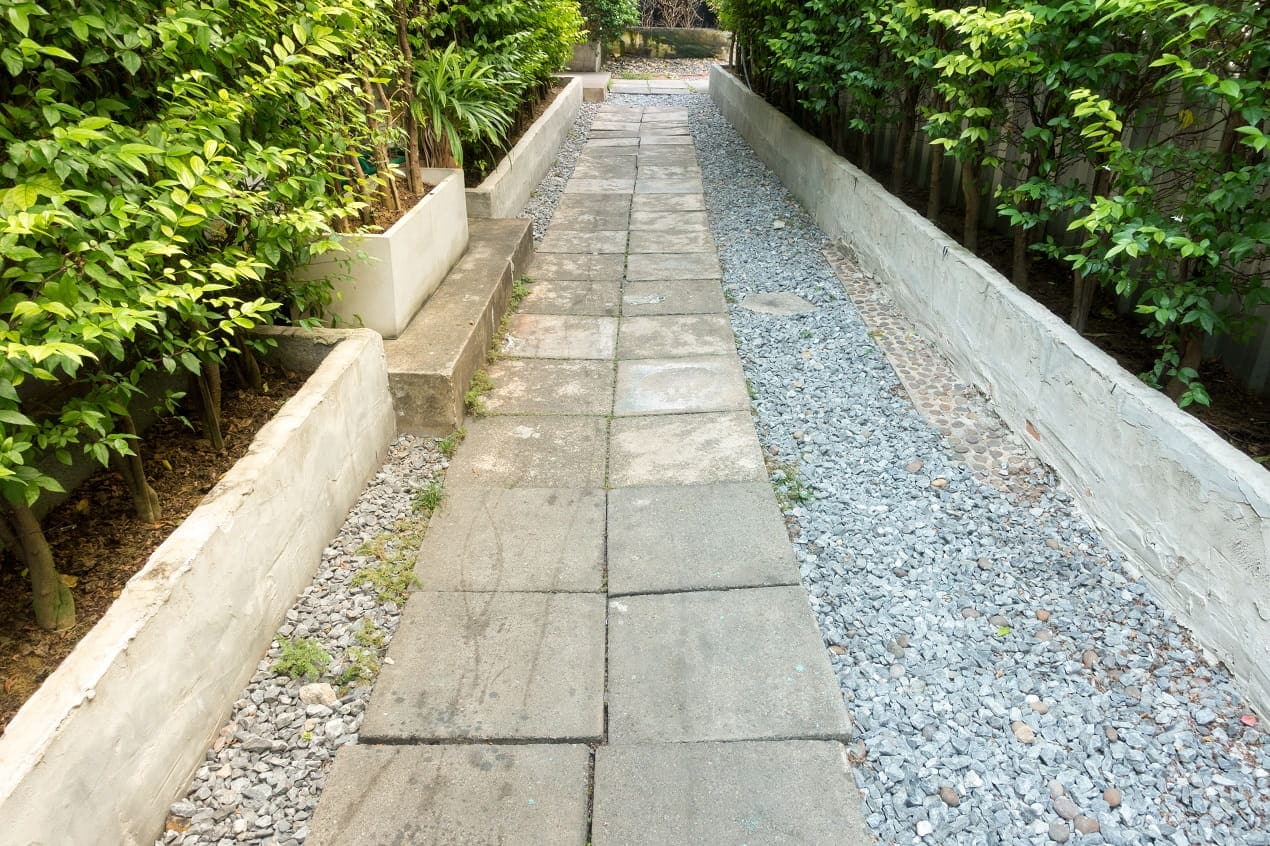
Australian homeowners are actively shifting away from stark minimalism and embracing warm, tactile surfaces that seamlessly connect interior living rooms with alfresco entertaining areas. The residential non-resilient flooring market is experiencing sustained growth as buyers prioritise luxury, long-lasting materials over synthetic alternatives. Natural stone has naturally emerged as a frontrunner for these modern renovations. However, selecting the right material requires an understanding that what works perfectly in a dry, climate-controlled living room might not survive a wet pool deck. Choosing between indoor and outdoor applications comes down to evaluating porosity, finish, and safety standards.
Understanding Porosity and Material Types
When evaluating building materials, porosity is a critical factor. Porosity dictates how much water a stone absorbs, which directly impacts its suitability for exterior environments exposed to heavy rain, freezing temperatures, or pool splashes. Selecting the wrong density for an outdoor space can lead to long-term structural damage.
Here is a breakdown of popular materials and their ideal applications:
- Granite: This is a highly durable, siliceous stone with an exceptionally low water absorption rate (often below 0.25 percent). It is practically scratch-proof, heat-resistant, and highly resilient against acidic household spills. This makes it superb for both high-traffic interiors and rugged outdoor patios.
- Travertine: Characterised by naturally occurring open pore networks, this material has a slightly higher water absorption rate of around 1.3 percent. It offers a beautiful, earthy look but requires rigorous, periodic sealing if used outdoors to protect against moisture penetration and salt attacks near swimming pools.
- Marble: Known for its dense, metamorphic structure and luxurious appeal. However, its calcium carbonate composition makes it highly susceptible to chemical etching from acidic substances like citrus or vinegar. It is strictly recommended to use pH-neutral cleaners, and the material is generally best reserved for indoor spaces where spills can be controlled.
Once you have assessed the specific durability requirements and porosity levels for your renovation, you can confidently Shop Natural Stone Tiles to bring your design vision to life. Finding a supplier with a diverse range ensures you get the precise structural match needed to handle the demands of both your interior hallways and exterior patios.
Prioritising Slip Resistance and Safety
Beyond water absorption, the surface finish of the flooring is paramount for safety, particularly in wet zones. Outdoor flooring demands a significantly rougher texture than interior flooring to prevent slip-and-fall accidents.
When selecting paving for exterior spaces, walkways, or pool surrounds, prioritising a heavily textured finish is an absolute necessity. Historically guided by international safety protocols, a static coefficient of friction of at least 0.5 is recommended as a baseline for proper slip resistance, ensuring secure footing even when the surface is thoroughly soaked.
In Australia, safety regulations are further categorised by the AS 4586 framework using specific P-values. While a smooth P2 rating is perfectly suitable for a dry indoor living area, outdoor patios and exterior steps demand a highly textured P4 or P5 rating to provide maximum wet grip. For transitional spaces exposed to occasional moisture, such as a covered porch or entryway, a P3 rating offers the ideal middle ground between comfort and grip.
Designing a Seamless Indoor-Outdoor Flow
A leading design trend in contemporary renovations involves layering tile textures to create a continuous visual flow without compromising on zone-specific safety. Homeowners can use a smooth, matte-finished version of a specific stone indoors, and then transition beautifully to a flamed or split-face cut of that exact same stone outdoors.
This cohesive approach to hardscaping serves as an excellent foundation for your alfresco area, allowing you to build a comfortable layout that perfectly aligns with practical outdoor living tips for creating defined, low-maintenance exterior zones. Matching the visual colour palette while altering the physical texture bridges the gap between the house and the garden effortlessly.
Additionally, these materials offer outstanding thermal mass and eco-friendly benefits. The dense flooring efficiently absorbs ambient heat during hot summer days and releases it slowly overnight, which naturally regulates interior temperatures and reduces air conditioning consumption. Industry lifecycle assessments also reveal that these natural surfaces have a 40 percent lower global warming potential compared to precast concrete, as quarrying bypasses the high-temperature kilns required for engineered ceramics. Because it is entirely non-combustible, this flooring is also an exceptionally safe and increasingly popular choice for properties located in bushfire-prone regions.
Investing in Long-Lasting Home Upgrades
Whether you are refreshing a cosy indoor space or completely overhauling a backyard, paying close attention to slip resistance, porosity, and surface finishes will dictate the success of your project. By choosing the appropriate materials for each specific zone, you can achieve a stunning, robust home environment that will last for decades.