

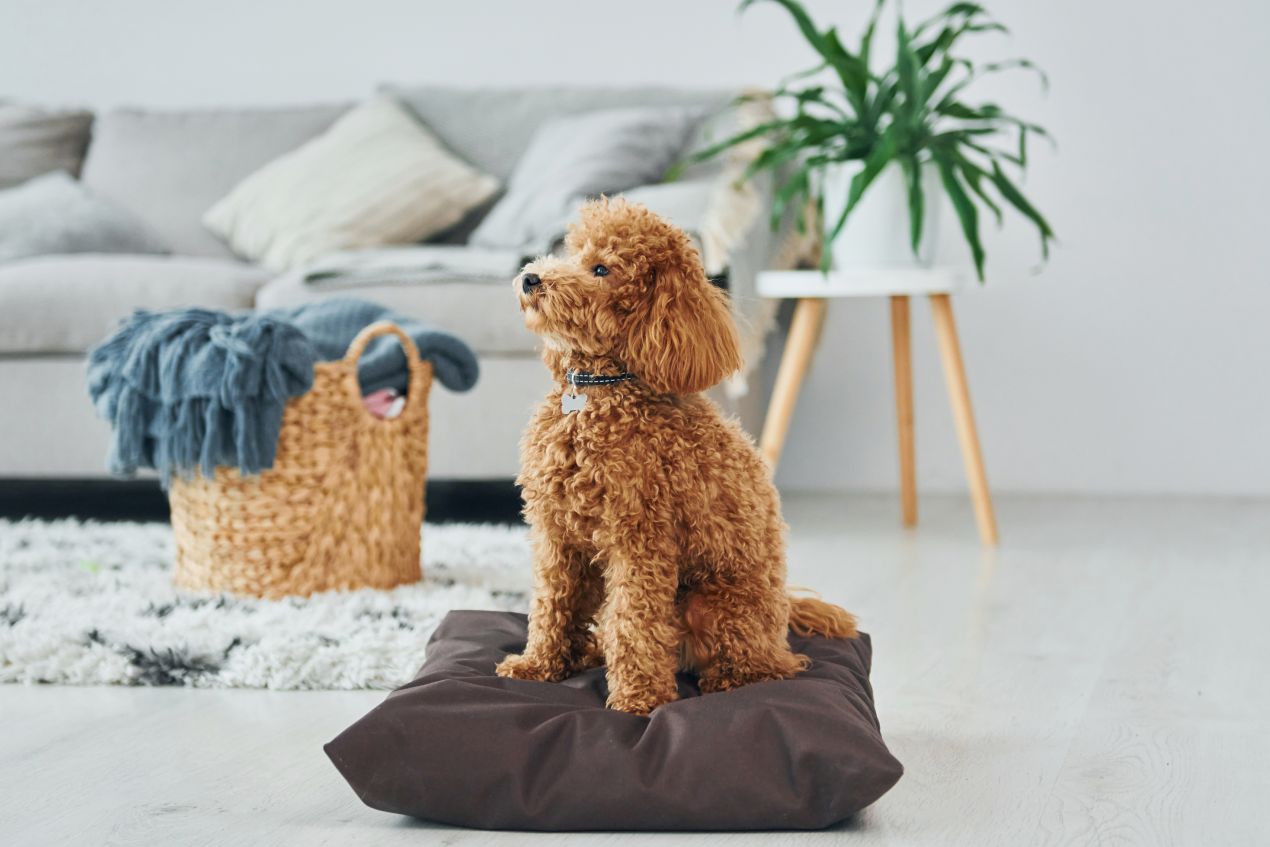
Bringing a new puppy home is exciting, but the transition can be overwhelming if your space isn’t ready for a curious, energetic newcomer. Puppies explore with their mouths, have limited awareness of danger, and need structure from the moment they arrive.
Preparing your home ahead of time helps prevent injuries, reduces stress, and sets the foundation for good habits. With the right setup, your puppy adjusts faster, feels more secure, and becomes a confident part of your family. Here are the steps you should take:
1. Make Your Living Space Puppy-proof
Whether you plan on adopting a small breed or a “micro bernedoodle,” think ahead: puppies are curious, chew-prone, and easily frightened.
- Lock away hazardous items: Puppies explore with their mouths. Store cleaning solutions, medicines, houseplants, and chocolates out of reach. Secure cabinets with child-proof locks if possible.
- Remove choking hazards: Anything small, like children’s toys, rubber bands, or bits of fabric, should be kept off the floor. A curious puppy might swallow them.
- Protect electrical cords: Use cord organizers, hide wires behind furniture, or apply cord covers. Puppies chew cords, which can lead to shocks or fires.
- Block off “no-go zones”: Use baby gates or closed doors to restrict access to dangerous areas: kitchens when cooking, balconies, staircases, or rooms with fragile décor.
By doing these, you reduce the risk of poisoning, choking, injuries, and save yourself from ruined furniture or destroyed cords.
2. Prepare Safe and Comfortable Puppy Spaces
Designate a “safe zone”, and set up a crate or a small pen with a soft bed in a quiet area where your puppy can retreat when overwhelmed. Ensure that you have essential supplies ready. Water and food bowls, puppy-specific food, safe chew toys, a collar and leash, puppy pads if you’re house-training indoors, and grooming tools.
Use washable bedding and easy-to-clean flooring. Puppies potty-train slowly, so tile, laminate, or areas with washable rugs make cleanup easier. Be sure to protect valued furniture. Consider slipcovers or pet-safe throws for sofas and chairs. Puppies may scratch or chew when nervous or bored.
3. Plan for Routine and Safety Immediately
Establish a schedule from day one. Puppies thrive on routine: regular feeding times, playtime, potty breaks, and naps. A consistent schedule helps them learn faster and feel secure.
- Set potty-training rules early: Decide where the puppy should relieve itself, whether it’s a yard area, balcony, or using puppy pads. Then stick to the plan, so the puppy associates the location with potty time.
- Start gentle training right away: Basic commands like “sit”, “stay”, and “come” help build boundaries and trust. Positive reinforcement, praise, and treats work best.
- Plan for exercise and stimulation: Puppies have bursts of energy. Short play sessions and chew toys help expend energy and reduce destructive behavior.
4. Manage Family Expectations and Educate Everyone
Getting a puppy isn’t just about the pup; it affects the entire household. Ensure all family members understand the schedule and rules, like feeding, potty time, play, and rest. You should also teach children how to handle and respect the puppy gently. Rough play or sudden loud noises can scare them. If you have other pets, introduce them gradually. Start with scent exchanges before face-to-face meetings, supervise first interactions, and ensure safe spaces for each pet.
5. Health and Safety: Prevention From Day One
Visit the vet soon after bringing the puppy home. Schedule vaccinations, deworming, and general health check-ups.
- Dog bites and bite prevention: This is extremely important, as in the U.S. alone, about 5 million people are bitten by dogs every year. Careful training, supervision, and safe spaces significantly cut risks.
- Secure vaccination and identification: In areas where rabies or other zoonotic diseases are risks, ensure vaccination is up-to-date. Use a proper collar with an ID tag, and consider microchipping if available.
- Stay alert around young children: Puppies can bite out of fear or pain. Never leave a small child alone with a puppy, and teach gentle handling.
6. Maintain Your Home Efficiently While Living with a Puppy
Here are a few steps you need to take to ensure your house stays maintained:
- Clean accidents promptly: Use enzyme-based cleaners to remove urine or feces, which stops lingering odors and discourages repeat accidents.
- Groom regularly: Even short-haired puppies shed. Routine brushing reduces loose hair and makes your home cleaner.
- Rotate toys: Leave only a few toys out at a time to avoid overstimulation and boredom. Switch toys regularly to keep the puppy’s interest.
- Check and re-check safety: As puppies grow, they get stronger and more adventurous. Reassess cord safety, gate placements, and locking mechanisms, as what worked at 3 months may not work at 6 months.
Endnote
A little preparation goes a long way. By puppy-proofing, setting routines, creating safe spaces, and staying alert about health and behavior, you help your new puppy feel secure and become a well-adjusted family member. A calm, prepared home makes that journey smoother and more joyful.