

Upgrading a home is often an exciting process filled with ideas about modern kitchens, stylish bathrooms, and improved outdoor spaces. However, many homeowners underestimate the smaller expenses that appear throughout a renovation project, especially when planning for long-term safety and functionality. Before starting a remodel, many property owners research how much a security system installation costs because security upgrades are increasingly considered an essential part of protecting a newly improved home and maintaining property value over time.
Unexpected Structural Repairs
One of the most common hidden expenses during a home upgrade comes from structural issues discovered after work begins. Contractors may uncover outdated wiring, water damage, mold, or weakened framing once walls and floors are opened. These problems are rarely visible during the planning phase, yet they can significantly increase renovation costs.
Older homes are especially vulnerable to these surprises because many systems may no longer meet modern building standards. Homeowners often begin projects expecting cosmetic changes only to realize that plumbing lines, insulation, or electrical panels need immediate replacement. Addressing these issues early is necessary to prevent larger and more expensive repairs in the future.
Permit fees and inspection costs can also add unexpected pressure to a renovation budget. Many homeowners focus only on material and labor expenses while forgetting that local regulations often require official approvals before work can begin. Delays caused by failed inspections or permit revisions may also increase contractor fees and project timelines.
Temporary living adjustments are another overlooked expense during structural renovations. Families may need hotel accommodations, storage units, or additional transportation costs if major areas of the home become unusable. These indirect expenses can quietly consume a large portion of the overall renovation budget.
Technology and Security Upgrades
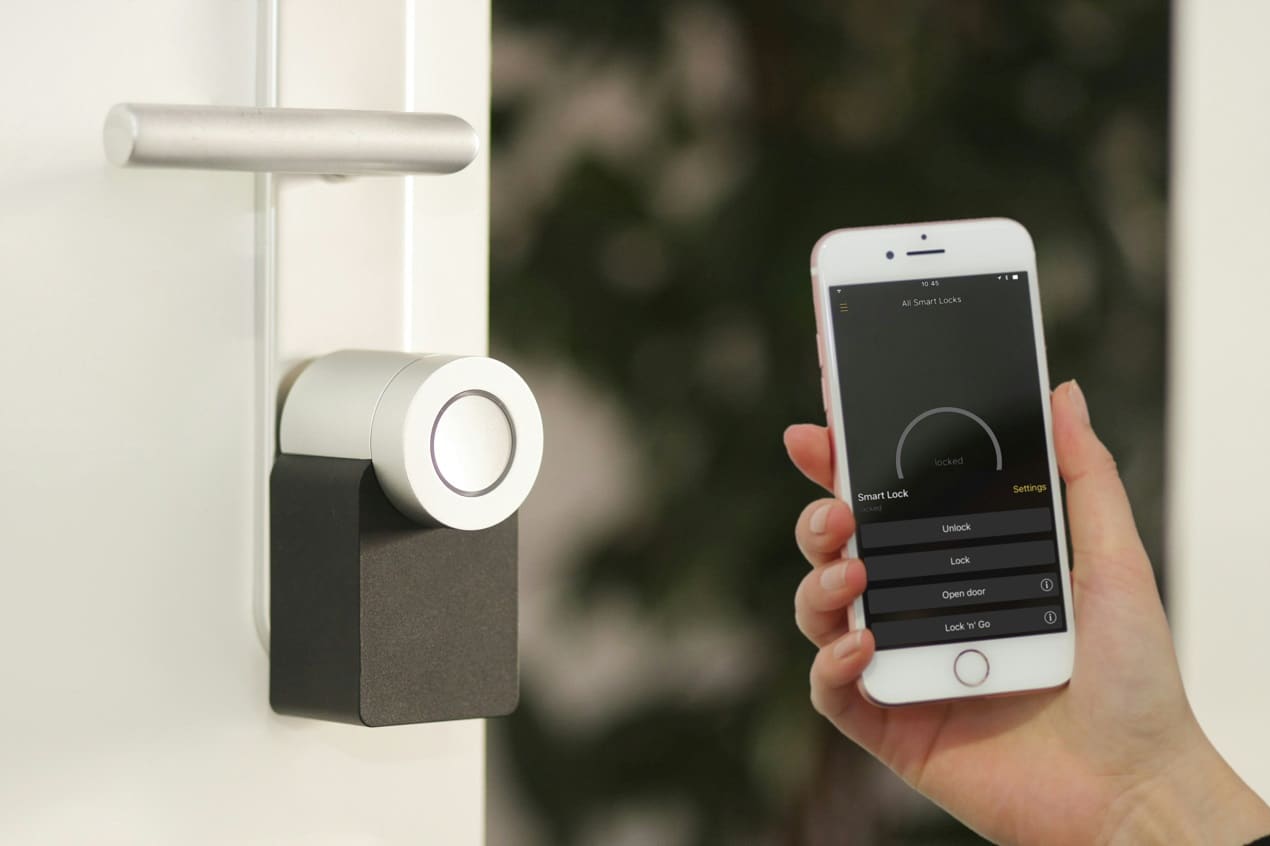
Modern homeowners increasingly include smart technology during renovation projects, but the installation costs often extend beyond the devices themselves. Smart lighting, integrated thermostats, automated locks, and surveillance systems usually require updated wiring, stronger internet coverage, and professional installation. These supporting upgrades can quickly increase the final bill.
Security systems are another commonly underestimated investment during home improvements. Many people assume a basic camera setup is enough, but complete systems often involve sensors, monitoring equipment, mobile integration, and professional configuration. The cost may vary depending on the size of the property and the level of protection required.
Homeowners also forget about ongoing subscription fees associated with many smart home services. Monitoring plans, cloud storage for security footage, and software updates may create recurring monthly expenses long after the renovation is complete. These continuing costs should be included when calculating the true financial impact of a home upgrade.
Technology upgrades may also require compatibility improvements throughout the property. Older electrical systems and weak Wi-Fi coverage can prevent smart devices from functioning correctly. As a result, homeowners may need additional networking equipment or electrical modifications that were never included in the original budget.
Outdoor Improvements and Landscaping Costs
Many renovation plans prioritize interior spaces while underestimating the cost of improving outdoor areas. Landscaping, drainage systems, fencing, patios, and exterior lighting can become major financial commitments once construction begins. Even small backyard projects often involve excavation, grading, and material delivery fees that increase costs unexpectedly.
Drainage problems are particularly expensive because they may not become noticeable until landscaping work is underway. Improper water flow can damage foundations, patios, and gardens if left unresolved. Correcting these issues may require professional engineering solutions that significantly extend both budgets and timelines.
Outdoor lighting and security enhancements also contribute to rising renovation expenses. Homeowners frequently install pathway lighting, motion sensors, and exterior cameras to improve safety and curb appeal. While these features add convenience and value, they also increase electrical work and installation requirements.
Maintenance expenses are another hidden factor tied to outdoor upgrades. High-end landscaping, decorative hardscaping, and luxury outdoor features often require ongoing care to preserve their appearance. Without proper maintenance planning, homeowners may face higher long-term expenses than originally expected.
Furniture, Finishing Touches, and Lifestyle Adjustments
After construction is complete, many homeowners realize that their upgraded spaces require new furniture and decor to match the renovation. Existing furnishings may no longer suit the updated layout or aesthetic, leading to additional purchases that were never part of the original remodeling budget. These finishing touches can become surprisingly expensive when added together.
Custom window coverings, upgraded storage solutions, and decorative lighting are also commonly overlooked. Although these items may appear minor compared to large construction expenses, they play a major role in completing the final appearance of a renovated home. Homeowners often underestimate how quickly these details accumulate financially.
Energy costs can also change after a renovation project. Larger living spaces, expanded lighting systems, and increased technology usage may raise monthly utility bills. While some upgrades improve energy efficiency, others increase ongoing operational expenses that homeowners should consider before beginning construction.
Lifestyle adjustments sometimes create hidden financial pressure as well. Renovated homes often encourage additional spending on entertainment areas, upgraded appliances, or premium maintenance services. As a result, the true cost of a home upgrade extends beyond the construction phase and continues influencing household budgets long afterward.
Home renovation projects can improve comfort, functionality, and property value, but hidden costs often catch homeowners by surprise. Structural repairs, technology installations, landscaping expenses, and post-renovation purchases all contribute to a final budget that is usually much larger than initially expected. By carefully planning for both visible and hidden expenses, homeowners can approach upgrades with greater confidence and avoid unnecessary financial stress during the renovation process.