

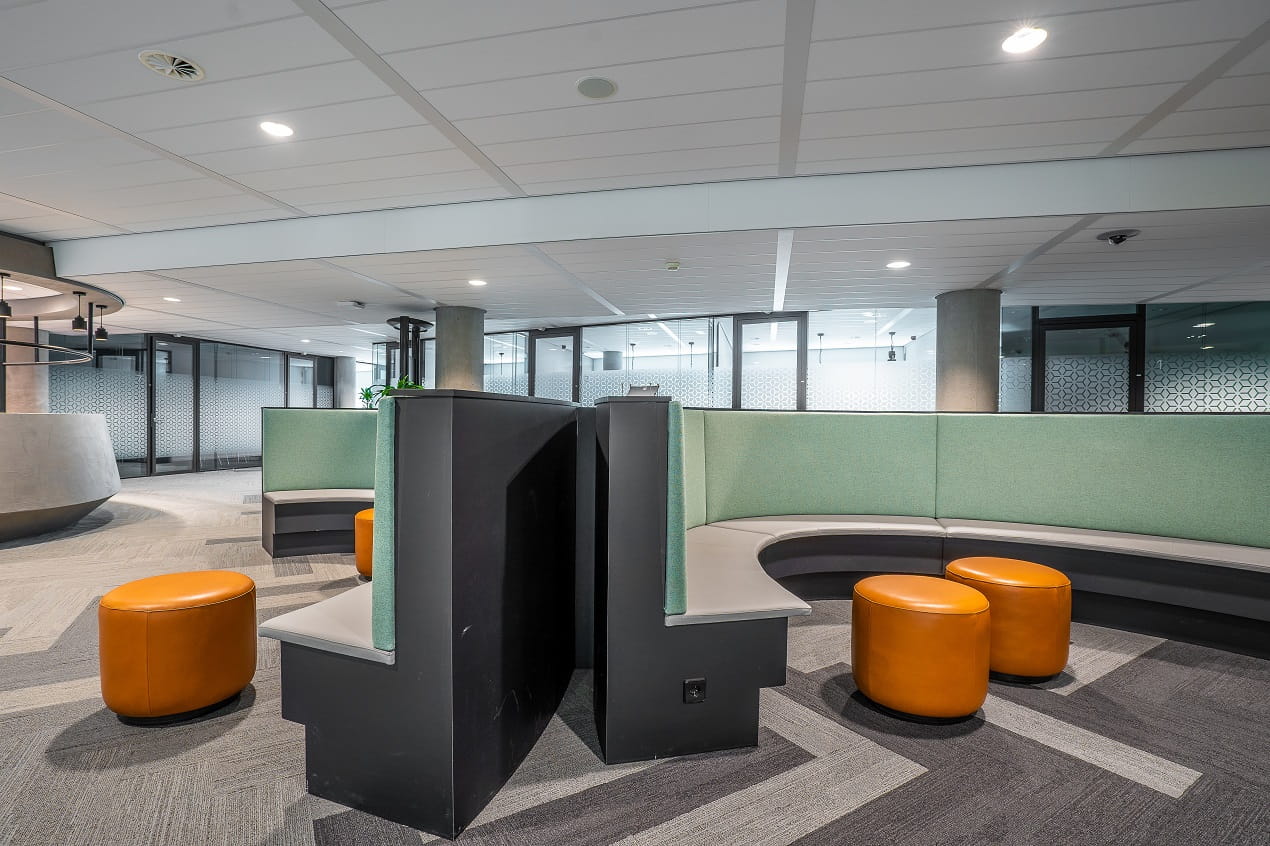
Choosing the right acoustic ceiling materials often comes down to balancing performance, design, and budget. Different spaces require different solutions, and the best option usually depends on how the room is used. Offices, classrooms, and commercial interiors all have unique sound challenges. By understanding how materials perform, how they’re installed, and how long they last, you can make a smarter decision. A well-chosen ceiling doesn’t just improve sound quality; it also supports comfort, productivity, and the overall atmosphere of the space.
Start with a clear acoustic performance goal
Before you even look at catalogs or compare materials, you should first think about the type of noise you’re trying to control. Some rooms struggle with echo from conversations, while others deal with mechanical noise or general background chatter. Once you identify the problem, choosing the right ceiling material becomes a lot more straightforward.
A lot of people assume that one acoustic rating solves everything, but that’s not really how it works. Materials with higher NRC ratings absorb more sound, which works great for offices, classrooms, and conference rooms. However, spaces like auditoriums or studios may need a more balanced approach so that the room doesn’t feel acoustically “dead.”
You’ll also want to think about sound blocking, not just sound absorption. In other words, sometimes the goal isn’t just to reduce echo but to keep noise from traveling between rooms. In commercial buildings, this distinction matters quite a bit, especially when meeting rooms sit right next to open office areas.
Once you understand the acoustic objective, comparing materials suddenly makes more sense. You’ll notice that prices vary widely depending on performance, design, and durability. That’s usually the point where most people begin seriously comparing acoustic ceiling cost and figuring out what level of performance fits comfortably within their available budget.
Compare material types before deciding on a budget
One of the biggest mistakes people make when planning an acoustic ceiling is jumping straight to price without first understanding the materials available. Mineral fiber tiles, for example, remain one of the most common choices because they combine decent acoustic performance with relatively low cost and easy installation.
PET felt panels have gained a lot of attention in modern offices and creative spaces. They absorb sound efficiently while offering a softer visual style that works well in contemporary interiors. Designers often appreciate how easily these panels fit into patterns or custom layouts, which adds both acoustic function and visual interest.
Wood wool panels take a slightly different approach. They bring a textured, natural look while still offering solid acoustic control. You’ll often see them in schools, gyms, or commercial interiors where durability matters just as much as sound absorption. Their structure also handles wear better than some softer materials.
Metal acoustic ceilings stand out because of their long lifespan and structural strength. While they usually cost more upfront, they resist moisture, warping, and damage better than many alternatives. For buildings that expect heavy use or long operational lifetimes, that durability can easily justify the higher initial investment.
Evaluate installation and maintenance expenses
The material itself rarely represents the full cost of an acoustic ceiling. Installation systems can make a noticeable difference in both budget and timeline. Suspended grid ceilings remain popular because installers can place tiles quickly, and replacing individual panels later usually takes only a few minutes.
Direct-mount systems look sleek and minimal, but they often require more careful installation. When every panel needs precise placement, labor hours increase, and so does the cost. That doesn’t necessarily make them a bad choice, but it’s something people often overlook during early planning.
Maintenance also deserves a bit of attention before making a final decision. Some ceiling tiles stain easily or collect dust over time, which means they may require periodic replacement. Others resist moisture and damage much better, making them easier to maintain over the years.
Replacement costs matter as well. In busy offices or commercial spaces, ceilings inevitably experience occasional damage from lighting maintenance, HVAC adjustments, or simple wear and tear. Materials that allow quick panel replacement without dismantling the entire system usually save both time and money later.
Balance aesthetics with acoustic performance
Many people assume acoustic ceilings must look plain or overly technical, but modern materials prove that assumption wrong. Surface textures, patterns, and shapes can influence how sound behaves in a room while also giving the ceiling a distinctive visual identity that enhances the overall space.
Color choices also play a surprisingly important role. Neutral tones help ceilings blend into the background, which works well in professional environments. On the other hand, bolder colors or layered panel arrangements can turn the ceiling into a visual feature that defines the entire interior.
Lighting integration adds another design opportunity. Many acoustic ceiling systems allow recessed lighting, suspended fixtures, or integrated LED elements without compromising acoustic performance. This flexibility makes it easier to coordinate lighting design and sound control in a single cohesive solution.
Interior designers often use ceiling materials to reinforce the style of the room itself. A modern office might combine geometric PET panels with minimal lighting, while a warmer interior may rely on textured wood wool panels. The ceiling ends up contributing to the atmosphere rather than simply hiding above it.
Consider long-term value instead of just upfront savingsenergy efficiency
When people compare acoustic ceiling options, they sometimes focus too heavily on the initial purchase price. However, durability plays a huge role in the total cost over time. Materials that last longer reduce the need for frequent replacements, which quickly offsets a slightly higher starting price.
Energy efficiency can also enter the conversation. Some acoustic ceiling materials offer additional insulation benefits, helping maintain consistent indoor temperatures. Over time, that extra insulation can reduce heating or cooling costs, which adds a subtle but meaningful financial advantage.
Future flexibility also deserves attention. Buildings change over time, and ceilings that allow easy panel removal make renovations far less complicated. Whether someone needs to upgrade lighting, adjust HVAC systems, or add wiring, modular ceiling systems simplify those modifications significantly.
When you step back and evaluate the bigger picture, the smartest decision usually balances price, durability, maintenance, and performance. Spending slightly more at the beginning often results in fewer problems later. In other words, a thoughtful choice today can prevent a lot of unnecessary expenses down the road.
Wrap up
Picking the right acoustic ceiling materials requires more than just comparing prices. You need to consider sound performance, durability, installation costs, and long-term maintenance. When these factors align with your budget and design goals, the result is a ceiling that improves both acoustics and aesthetics. Taking the time to evaluate materials carefully helps you avoid unnecessary expenses later while ensuring the space remains comfortable, functional, and visually appealing for years to come.