

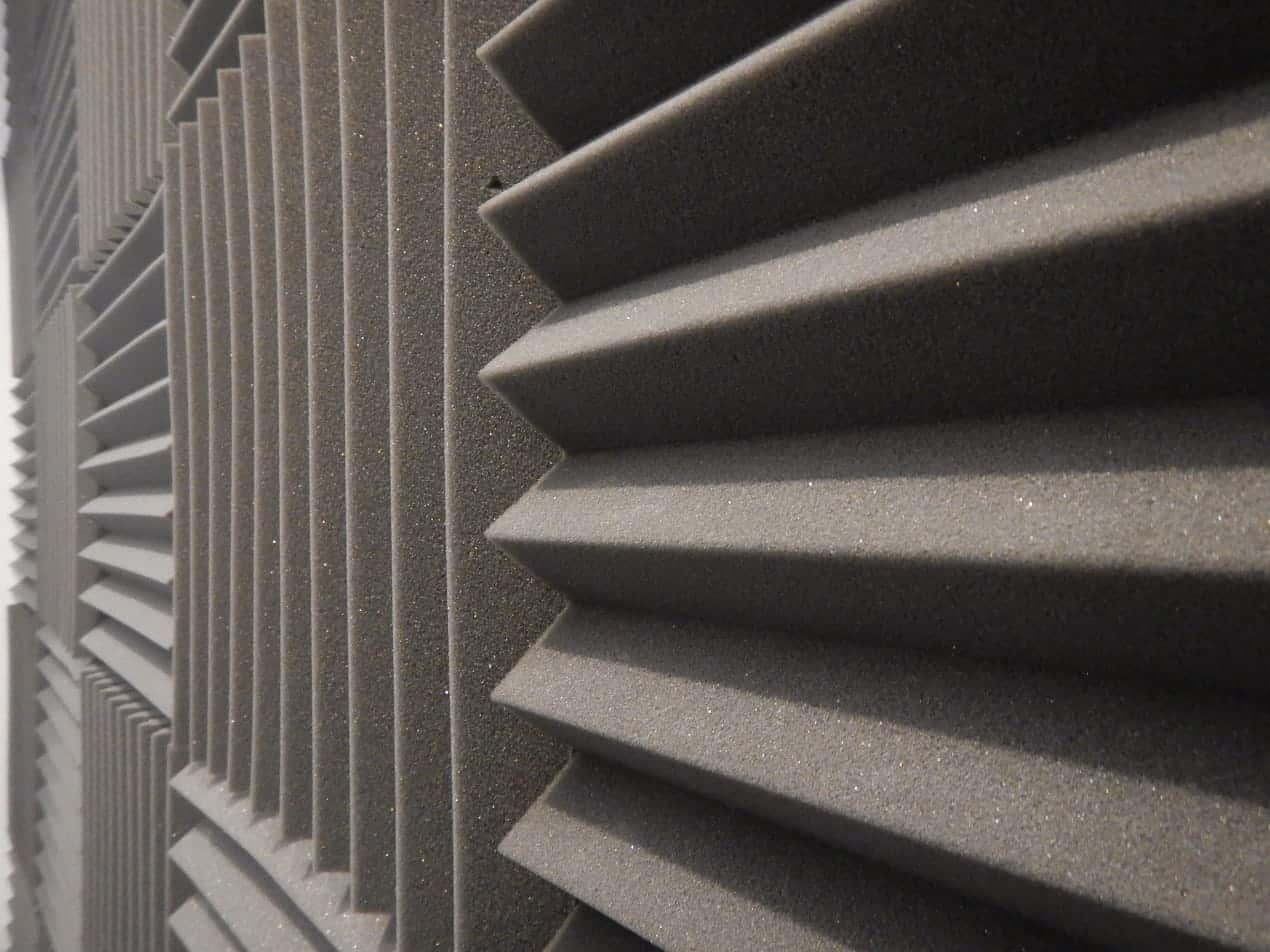
Sound shapes how we experience a space, even when we don’t consciously notice it. A room that echoes can feel stressful, while a well-balanced environment instantly puts people at ease. PET felt panels offer a practical way to manage these acoustics without overcomplicating your design choices. By understanding how they absorb sound and why their structure works so well, you can make smarter decisions about creating quieter, more comfortable interiors that support focus, conversation, and everyday living.
What Makes Sound Bounce or Fade
When sound travels through a room, it doesn’t simply disappear after leaving the source. Instead, it interacts with everything in its path. Some surfaces throw it right back, which we call reflection, while others scatter it in multiple directions through diffusion. Absorption works differently because it captures sound energy and limits how much returns to your ears. Understanding these distinctions helps you predict how a space will actually feel once people start talking.
Picture an empty room with bare walls and tile floors. Every word you say seems louder than it should because the sound waves keep ricocheting around. Enclosed spaces intensify this effect since there’s nowhere for the energy to escape. Once conversations overlap, clarity drops fast. That’s why restaurants, offices, and even homes can become surprisingly noisy without thoughtful acoustic planning.
According to specialists from Material Logiq, hard materials tend to make matters worse. Glass, concrete, and metal reflect most of the sound that hits them, which raises overall volume levels without anyone noticing at first. Over time, that constant reflection creates listening fatigue. Softer finishes help restore balance by interrupting the path of those waves and preventing them from building into a distracting echo.
Material density plays a bigger role than many expect. Dense surfaces reflect because they resist vibration, whereas fibrous materials allow sound to enter and lose momentum. You don’t need advanced physics to grasp the outcome; heavier doesn’t always mean quieter. The right balance between density and permeability determines whether a room sounds calm or chaotic.
The Structure of PET Felt Panels
PET felt panels start with recycled plastic, usually sourced from discarded bottles. Those plastics get cleaned, melted, and spun into thin fibers that resemble wool more than anything synthetic. The result feels surprisingly soft yet holds its shape well. This combination makes the panels practical for everyday interiors without sacrificing performance or visual appeal.
What really sets these panels apart is their porous construction. Tiny gaps between fibers create airflow channels where sound can travel instead of bouncing back. As waves enter those pathways, they slow down naturally. That gradual deceleration matters because it reduces the intensity before the sound has any chance to reflect into the room again.
Thickness directly affects how much sound a panel can manage. Slim options handle lighter noise, such as conversation, while thicker versions tackle deeper frequencies with more authority. Choosing the right depth depends on what you’re trying to fix. A conference room usually benefits from more substance than a hallway, simply because the acoustic demands differ.
Unlike flat, sealed materials, non-woven fibers create an irregular internal structure that works in your favor. Sound waves rarely move in straight lines once inside; they twist, collide, and lose strength. That internal complexity outperforms smoother surfaces, which tend to reflect rather than absorb. It’s a subtle design choice that delivers a noticeable acoustic payoff.
How PET Felt Converts Noise Into Energy
As sound enters PET felt, it immediately encounters resistance from thousands of intertwined fibers. That contact generates friction, and friction quietly drains energy from the wave. Instead of rebounding into the room, the sound weakens as it pushes deeper into the material. You won’t notice this happening visually, yet your ears quickly register the calmer atmosphere.
The energy doesn’t vanish completely; it shifts form. A tiny portion converts into low-level heat, so minimal that you’d never feel it by touch. Still, that transformation plays a crucial role because it prevents the wave from returning at full strength. Multiply this process across an entire wall, and the cumulative effect becomes impressively effective.
Echo thrives on repetition, so reducing each reflection changes the entire character of a space. Conversations sharpen, background noise softens, and people stop raising their voices just to compete. Offices often report better focus once reverberation drops. Homes gain a similar advantage, especially in open layouts where sound tends to travel farther than expected.
Not every material treats frequencies equally, and PET felt performs best across the mid-to-high range where speech lives. Lower bass tones require more mass or specialized solutions, yet still feel like they contribute by controlling the frequencies that typically cause distraction. For most everyday environments, that coverage addresses the sounds people actually struggle with.
Related: Transform Your Living Space with Soundproofing Techniques
Factors That Influence Acoustic Performance
Even the best panel can underperform if placement feels random. Covering large reflective areas usually brings the fastest improvement because those spots generate the strongest echoes. Spreading panels strategically often beats clustering them in one location. A balanced layout allows the material to intercept sound from multiple angles instead of leaving gaps.
Leaving a small air gap behind a panel can enhance absorption more than many realize. That pocket gives sound extra room to slow before it hits the mounting surface. Think of it as extending the material’s working depth without increasing thickness. Installers often rely on this trick when they want stronger results without redesigning the entire space.
Room dimensions shape how sound behaves long before materials enter the picture. High ceilings let waves travel farther, while compact rooms create quicker reflections. Recognizing these traits helps you plan coverage with intention rather than guesswork. Once you match panel placement to the room’s geometry, improvements tend to feel immediate.
Pairing PET felt with complementary elements pushes performance even further. Carpets, upholstered furniture, and acoustic ceilings all share the workload, which prevents any single surface from carrying the burden alone. A layered approach usually sounds more natural because it controls reflections gradually instead of muting the room too aggressively.
Wrap Up
PET felt panels succeed because they address sound at its source rather than masking the symptoms. Their fibrous structure slows waves, reduces echo, and helps rooms feel more controlled without sacrificing style or flexibility. Once you understand the science behind their performance, choosing the right acoustic solution becomes far less intimidating. Whether you’re refining a workspace or upgrading a home, these panels deliver a straightforward path toward clearer sound and a noticeably calmer atmosphere.