

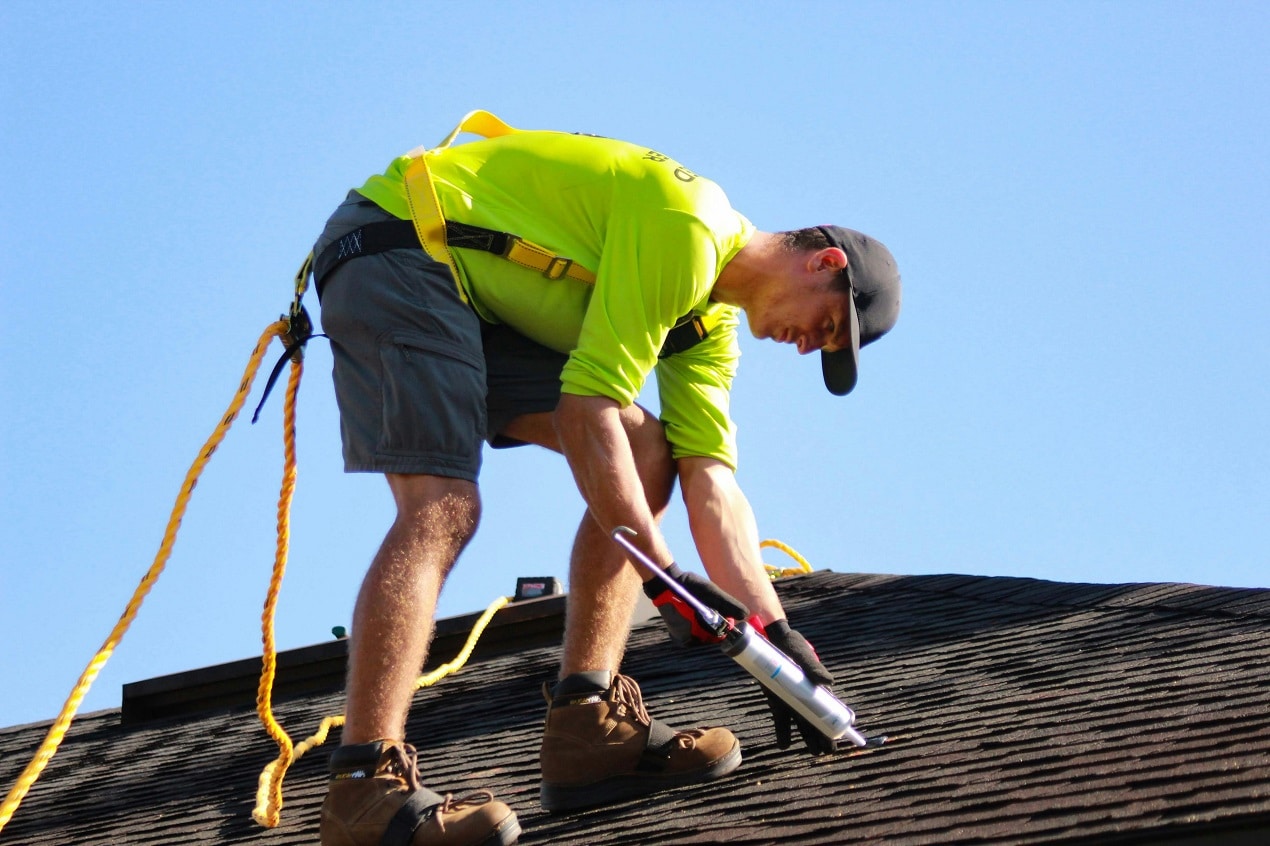
Replacing a roof isn’t the kind of project you want to approach casually. It’s expensive, disruptive, and closely tied to your home’s long-term protection. However, the more you understand before work begins, the fewer unpleasant surprises you’ll face. From choosing materials to setting a realistic budget, smart preparation keeps you in control. You see, a roof replacement isn’t just maintenance—it’s a decision that shapes your comfort, safety, and property value for years.
Understand the True Condition of Your Current Roof
Many homeowners assume a roof replacement starts when shingles curl or stains appear on the ceiling. However, visible damage rarely tells the full story. Look for sagging lines, granules in gutters, or flashing that has started to separate. These clues often signal deeper structural trouble that won’t resolve itself and usually gets worse with time.
Roof age matters more than most people think. Even if everything looks fine from the street, materials degrade steadily under the sun, wind, and temperature swings. Asphalt roofs often last around two decades, while other materials last longer. Once you approach that limit, repairs tend to become temporary fixes rather than smart long-term decisions.
People from Summit Construction Group claim that what homeowners often miss are the issues hiding beneath the shingles. Moisture can seep into the decking, insulation may compress, and ventilation gaps can trap heat where it doesn’t belong. You might not notice these problems during everyday life, yet they quietly weaken the entire structure and raise the likelihood of costly surprises later.
Bringing in a professional inspector gives you clarity that guesswork never will. A trained eye spots early warning signs and explains whether you need repairs or a full replacement. That insight helps you plan ahead rather than panic when a leak appears during the next heavy storm.
Choose Materials That Match Your Climate and Lifestyle
Picking roofing materials isn’t just about color or curb appeal. Asphalt remains popular because it balances cost and reliability, while metal offers impressive longevity with minimal upkeep. Tile creates a distinctive look but demands strong structural support. The right choice usually comes down to how long you plan to stay and what level of maintenance feels realistic.
Energy efficiency deserves more attention than it typically gets. Some materials reflect sunlight instead of absorbing it, which helps regulate indoor temperatures and reduces strain on your cooling system. Over time, those savings add up. A slightly higher upfront investment can translate into noticeably lower utility bills year after year.
The weather should heavily influence your decision. Areas prone to hail, heavy snow, or strong winds call for materials designed to handle punishment without constant repairs. Choosing something unsuited for local conditions may save money initially, yet repeated fixes quickly erase that advantage and create ongoing frustration.
Maintenance expectations often separate a great decision from a regrettable one. Metal usually needs little more than occasional checks, while other options require periodic cleaning or replacement of damaged sections. Think honestly about how much effort you want to invest, because neglect shortens even the toughest roof’s lifespan.
Budget Beyond the Initial Estimate
The number on your first quote rarely reflects the final cost. Labor rates shift based on roof complexity, pitch, and accessibility. A straightforward layout costs far less than one filled with valleys and architectural details. Understanding these variables early prevents sticker shock once the project moves from paper to reality.
Permits and inspections can quietly expand your budget if you overlook them. Municipal requirements vary, yet most areas demand proper documentation before work begins. These steps protect you by ensuring the installation meets safety standards, and skipping them often leads to fines or headaches when you try to sell.
Removing the old roof creates another expense that homeowners sometimes underestimate. Contractors must tear off existing materials, transport debris, and dispose of it responsibly. Dumpster fees and labor stack up quickly, especially if multiple layers need removal. Factoring this in from the start keeps your finances grounded in reality.
Unexpected repairs deserve a financial cushion because roofs rarely come off without revealing something unplanned. Rotten decking or compromised supports require immediate attention before installation continues. Setting aside a contingency fund allows the project to proceed without stressful last-minute scrambling for additional resources.
Time the Project Strategically
Roofing schedules often revolve around the seasons, and timing can influence both price and convenience. Late spring through early fall tends to attract the highest demand, which may narrow contractor availability. Planning ahead gives you more flexibility and prevents rushed decisions when everyone else suddenly needs the same service.
Prices shift throughout the year, sometimes more than homeowners expect. Contractors may offer better rates during slower months simply to keep crews working. While weather still matters, targeting these quieter periods can stretch your budget further without forcing you to compromise on quality.
Weather delays test patience, yet they remain part of nearly every roofing project. Sudden rain or temperature drops can pause installation for safety reasons. Building a little scheduling buffer reduces frustration and keeps expectations realistic instead of assuming everything will wrap up exactly on time.
Daily life changes temporarily once the work begins. Constant hammering, movement around your property, and limited driveway access disrupt normal routines. Thinking through these inconveniences beforehand helps you adjust plans, whether that means working elsewhere for a day or giving neighbors a quick heads-up.
Vet Contractors Carefully Before Signing Anything
Licensing and insurance should never feel like optional details. These credentials confirm that the contractor meets professional standards and protects you if something goes wrong. Asking for proof might feel formal, yet reputable professionals expect the question and usually provide documentation without hesitation.
Looking through a contractor’s past projects offers reassurance that photos alone can’t deliver. A solid portfolio shows consistency, attention to detail, and experience with homes similar to yours. When possible, drive by completed jobs to see how those roofs hold up in real conditions.
Warranties often sound impressive until you read the fine print. Some cover materials only, while others include workmanship for a defined period. Knowing exactly what protection you receive prevents confusion later and helps you compare proposals with far greater confidence.
Clear written estimates eliminate uncertainty before the first nail goes in. Every major element should appear in the contract, from material specifications to cleanup responsibilities. Transparency signals professionalism and reduces the chance of disputes once the project gets underway.
Wrap up
A roof replacement demands careful thought, yet it doesn’t have to feel overwhelming. When you focus on condition, materials, timing, and contractor quality, you set the stage for a smoother project and stronger results. Moreover, thinking beyond short-term costs helps you protect your investment. Make informed choices now, and you’ll gain more than a new roof—you’ll secure lasting peace of mind.