

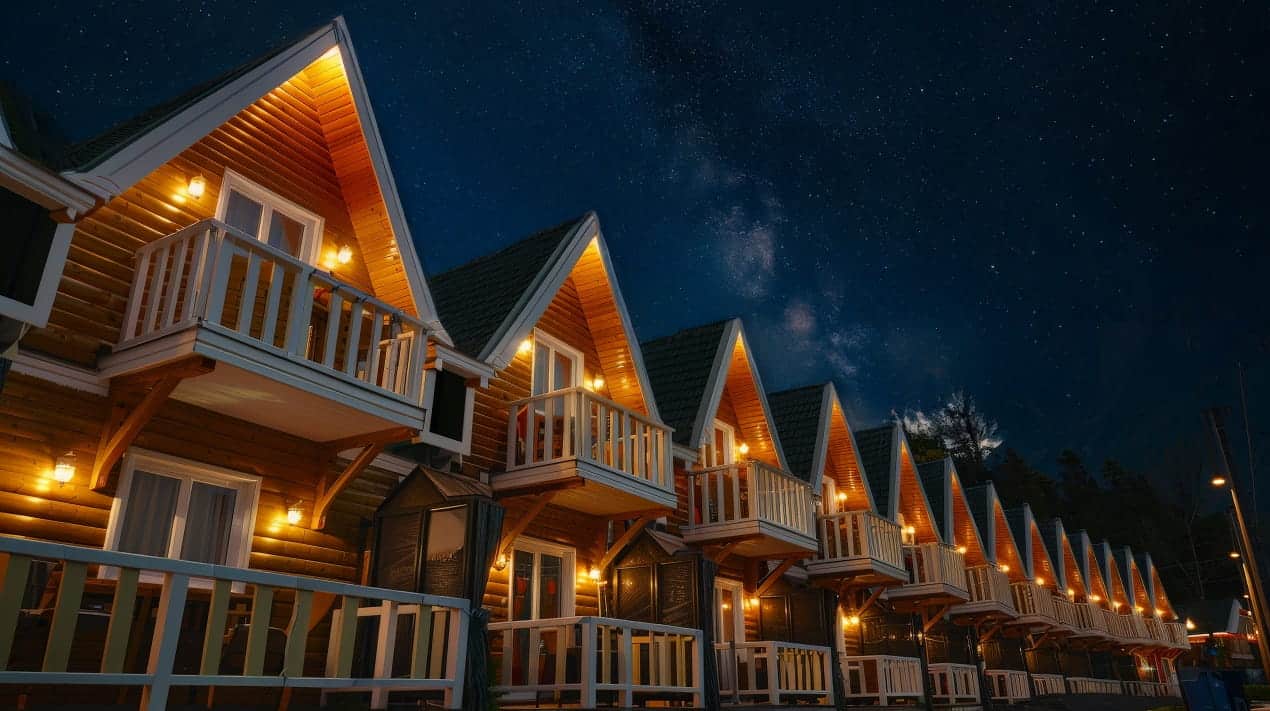
Thinking about adding subtle permanent roofline lighting but worried about ruining your shingles? That concern is valid. Roof leaks often start with small, unnecessary penetrations. The good news is you can install permanent accent lighting without touching the shingles at all. The key is understanding where to mount the system, how shingles shed water, and which fastening methods protect both your roof and your warranty.
This guide walks you through practical, roof-safe ways to install year-round accent lighting while keeping your roofing system intact.
Evaluate Your Roof Shingle Type Before Installation
Start by identifying your roofing material. The installation approach depends on it.
Architectural asphalt shingles are layered and sealed with adhesive strips. When those strips are broken or punctured, water can travel underneath the shingle. Nails or staples driven through the exposed surface create direct entry points for moisture.
Three-tab shingles are thinner and easier to crack. Lifting them to slide clips underneath can snap the seal strip if done in cold weather. Once that bond breaks, wind uplift resistance drops.
Metal roofing allows easier edge mounting because trim pieces and fascia provide clear attachment zones. Still, drilling into metal panels without proper gaskets leads to corrosion and leaks.
Tile or wood shake roofs are fragile. Fastening directly into them is risky and often expensive to repair. Lighting should be attached to fascia boards or soffits instead.
Inspect the Drip Edge and Roofline Structure
The drip edge is the metal flashing installed along the roof perimeter. Its job is to push water into the gutter and away from the fascia board. Blocking or bending it disrupts drainage.
Look at how the drip edge overlaps the fascia. Most homes have enough clearance to mount lighting just below it. That placement keeps hardware hidden while preserving water flow.
The fascia board is the safest structural anchor. It is solid, accessible, and separate from the roofing layers. Mounting aluminum tracks here avoids contact with shingles.
The soffit, located under the overhang, is another strong option. Installing lighting along the soffit creates a clean glow along the roofline without interfering with water runoff.
Before drilling anything, confirm you are fastening into wood or structural backing, not into roofing material.
Choose Safe Attachment Methods That Avoid Shingle Penetration
Permanent roofline lighting should never require nails or screws through shingles. That is where most roof damage begins.
Use these safer methods:
- Screw aluminum tracks directly into the fascia board using exterior-rated screws.
- Install lighting clips into soffit panels where backing support exists.
- Use non-invasive shingle-edge clips only if they grip the edge without puncturing.
- Slide brackets beneath the drip edge lip without lifting shingles.
Avoid stapling wires to shingles. Even small holes allow water infiltration. Over time, moisture travels along fasteners and reaches the roof deck. In freeze-thaw climates, that moisture expands and widens the opening.
Most roofing manufacturers state that unauthorized penetrations can void warranty coverage. If leaks occur later, documentation of improper fastening may affect insurance claims.
How Temporary Roofline Lighting Helps You Decide on Permanent Lighting?
Many homeowners test roofline lighting during the holidays before committing to a permanent system. Temporary setups help you evaluate brightness, spacing, and overall visual impact. Seasonal lights usually rely on removable plastic clips attached to shingles or gutters. While convenient, repeated installation and removal increase roof contact and risk.
Homeowners who hire Naperville holiday light installation services often notice that professionals avoid nails and staples. Instead, they use roof-safe clips and secure mounting points along fascia and gutters. These same non-invasive techniques can be adapted for permanent aluminum track systems that stay in place year-round.
Temporary lighting is useful for testing design. Permanent lighting becomes practical once you know the look you want and install it correctly.
Install Permanent Accent Lighting Step by Step
A clean installation protects both the roof and the lighting system.
- Measure the roofline carefully and calculate total linear footage.
- Identify fascia or soffit as your mounting surface.
- Attach aluminum tracks to the fascia board using corrosion-resistant screws.
- Snap LED modules into the track system.
- Route low-voltage wiring along the soffit using concealed clips.
- Connect waterproof connectors rated for exterior use.
- Mount the transformer near a GFCI-protected outlet.
- Test the system and confirm the drip edge remains unobstructed.
Low-voltage systems are safer and more energy efficient. Use UV-resistant wiring designed for outdoor exposure. Keep wiring away from roof valleys where water concentrates.
Prevent Warranty Issues and Long-Term Damage
To protect your roof:
- Do not drive fasteners through shingles.
- Avoid lifting sealed tabs aggressively.
- Mount only to fascia, soffit, or structural trim.
- Use exterior-rated hardware.
- Photograph the installation for documentation.
Improper fastening causes slow leaks that often go unnoticed for months. By the time stains appear inside, the roof deck may already be compromised.
When installed correctly, permanent roofline accent lighting does not shorten roof lifespan. It simply adds controlled, architectural illumination without interfering with the roofing system.
Final Thoughts
Permanent roofline accent lighting improves curb appeal and eliminates the need for seasonal ladder work. The difference between a safe installation and a costly repair usually comes down to one decision: whether you fasten into shingles or into structure.
Focus on fascia and soffit mounting. Respect drip edge drainage. Avoid penetrations in roofing material. When done carefully, roofline lighting enhances your home without risking leaks or warranty issues.