

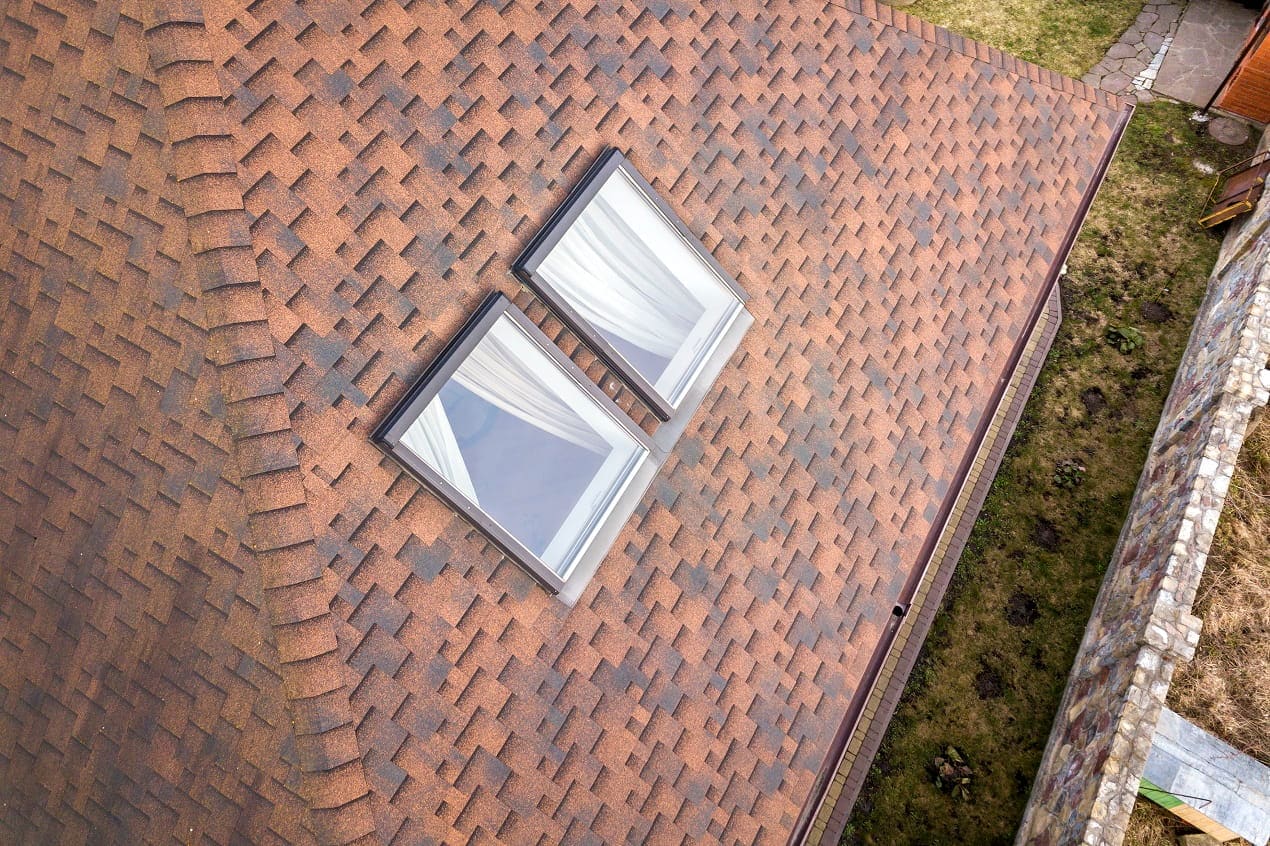
Roof durability depends not only on material quality but also on how attachments and foot traffic affect the surface. Homeowners often underestimate how clips, nails, adhesives, and even casual walking can shorten a roof’s lifespan. Improper attachment methods can lead to granule loss, lifted edges, cracked tiles, corrosion, and slow leaks that remain hidden until major damage occurs.
Understanding how each roofing material reacts to external stress helps preserve roof protection and longevity.
Key Guidelines for Roof Protection
- Avoid penetrating exposed roofing surfaces whenever possible.
- Distribute weight evenly during foot traffic and limit roof access.
- Never drill or nail into ridge caps or high-pressure wind zones.
- Follow manufacturer fastening specifications for metal and tile systems.
- Inspect for lifted edges or displaced granules after any rooftop activity.
Asphalt Shingles: Vulnerable to Penetration and Granule Loss
Asphalt shingles are the most common residential roofing material. Their surface consists of fiberglass matting coated with asphalt and covered in protective mineral granules. These granules shield the asphalt from UV exposure and weathering.
Nails driven incorrectly into asphalt shingles can create punctures that allow water to travel beneath the surface. Overdriven nails crush the shingle mat, while underdriven nails leave gaps that invite wind uplift. Adhesives applied improperly may trap moisture or degrade under heat, weakening the bond between shingle layers.
Foot traffic presents another major risk. Walking on shingles dislodges granules, especially during hot weather when asphalt softens or in cold weather when shingles become brittle. Loss of granules exposes the asphalt layer, accelerating UV breakdown and increasing the risk of cracking.
Safe attachment zones for asphalt shingles include structural framing beneath the sheathing, not the exposed shingle surface. When mounting lightweight items, attachments should occur at fascia boards or soffits rather than through the roof plane. Weight distribution pads can reduce compression when temporary access is necessary. Avoid ridge caps entirely, as they serve as critical water-shedding components.
Architectural Shingles: Thicker but Still Sensitive
Architectural shingles, also called dimensional shingles, feature multiple laminated layers that provide depth and improved wind resistance. While more durable than traditional three-tab shingles, they still depend on intact layering for waterproof performance.
Improper nailing through architectural shingles disrupts the laminated structure. Penetrations between layers can allow water infiltration that spreads laterally before becoming visible. Adhesives placed on the surface may interfere with factory-applied sealant strips that bond shingles together during warm weather.
Foot traffic can break the adhesive seal between layers, causing lifted edges. Once edges lift, wind can catch the shingle and create progressive tearing. Ridge caps remain especially vulnerable because they bridge roof slopes and experience the highest wind pressure.
Safe zones include lower sections near eaves where structural backing is strongest, but even here, penetrations should be minimized. Installers should step on lower thirds of shingles where support from underlying courses exists. Even pressure distribution and minimal movement reduce granule displacement. This is one reason providers offering professional christmas light installation in Myrtle Beach SC rely on non-invasive clips and avoid penetrating laminated shingles, especially in coastal areas where wind uplift and moisture exposure are already elevated.
Metal Roofs: Strong Surface but Sensitive to Fastening Errors
Metal roofs offer durability and impact resistance, yet improper attachment methods can compromise their longevity. Standing seam systems rely on concealed fasteners and interlocking panels to shed water effectively.
Driving screws into incorrect panel locations can break protective coatings and expose metal to corrosion. Fasteners without neoprene washers allow water seepage through screw holes. Adhesives are rarely recommended because temperature fluctuations cause metal expansion and contraction, weakening bonded joints.
Foot traffic on metal roofs must be carefully controlled. Walking between seams can cause oil-canning or panel deformation. Weight should always be placed over structural supports or seam lines where the panel is reinforced.
Safe attachment zones depend on manufacturer specifications. For many systems, fasteners must align with structural purlins beneath the panels. Ridge caps should remain untouched, as they protect the highest and most weather-exposed section of the roof.
Tile Roofs: Durable but Prone to Cracking Under Stress
Clay and concrete tile roofs provide long service life but react poorly to concentrated weight and drilling. Tiles function as overlapping water-shedding elements supported by underlayment beneath.
Nailing directly through exposed tile surfaces can cause cracking. Even small fractures allow water to reach the underlayment, which may deteriorate over time. Adhesives applied incorrectly can trap moisture or stain tile surfaces.
Foot traffic presents significant risk. Tiles crack when stepped on at unsupported sections. Professionals walk along lower third sections where tiles overlap and receive structural support. Stepping near the center of a tile often leads to breakage.
Safe attachment zones typically involve fastening into structural battens beneath tiles rather than the tiles themselves. Ridge tiles should never be penetrated because they seal the roof’s peak and are essential for ventilation systems.
Protecting Roof Longevity During Temporary Installations
Seasonal decorations illustrate the importance of non-invasive methods. During Christmas light installation, professional installers use plastic clips that attach to gutters, shingles’ lower edges, or fascia boards without nails or adhesives. This approach avoids penetrating roofing materials and prevents granule displacement or lifted edges.
The same principle applies to any temporary attachment. Non-invasive clips, weight distribution tools, and avoidance of ridge caps preserve roof integrity. Penetrations should only occur when structurally necessary and always in reinforced zones.
Final Thoughts
Each roofing material responds differently to clips, nails, adhesives, and foot traffic. Asphalt and architectural shingles suffer granule loss and seal failure. Metal roofs risk corrosion and deformation. Tile roofs crack under concentrated weight. Protecting safe attachment zones and minimizing surface disruption ensures waterproofing layers remain intact. Careful handling and non-invasive methods ultimately extend roof life and prevent costly long-term leaks.