

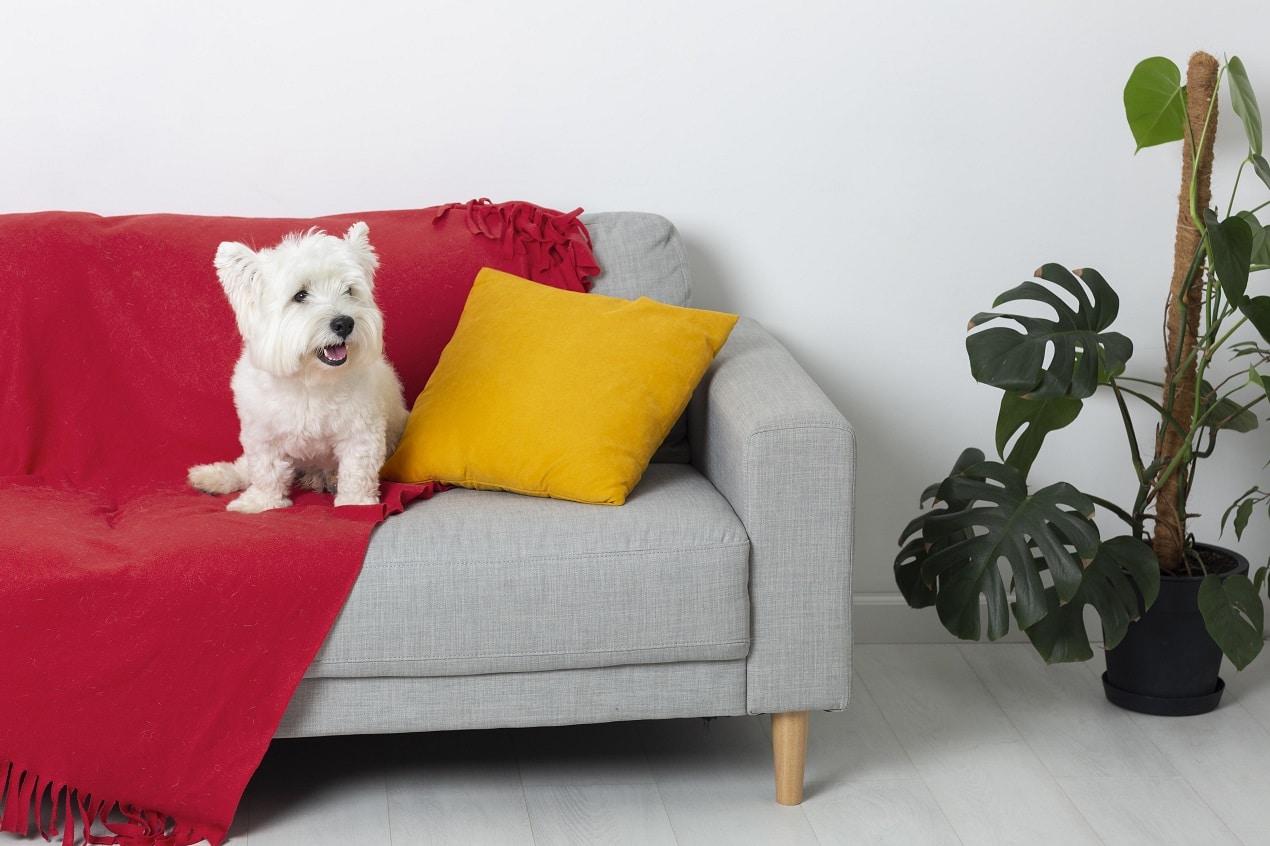
Living with a puppy changes the home in ways that are joyful but undeniably messy. Their fur settles into upholstery and floats through sunlight in ways you never noticed before. Also, odors can linger in soft materials and corners if the space is not designed with intention.
The solution is not to lower your standards or accept constant clutter. It is to make thoughtful interior design choices that anticipate shedding cycles and everyday activity before they become frustrating. When you approach design with practicality in mind, your home can remain polished without feeling unwelcoming to your dog. Below are some insights that can be helpful.
1. Design With Puppies in Mind
When families bring home new dogs, especially breeds like those often advertised as Stunning Toy Poodle Puppies For Sale From Villa Crest Puppies, the excitement can overshadow practical design considerations that will matter months later.
It is common to see beautifully staged interiors suddenly overwhelmed by shedding once a puppy settles in, which is why planning for fur management from the beginning is essential. People mainly focus on temperament and appearance, yet the interior environment should also be part of the preparation process. Having storage solutions, such as built in grooming tool cabinets and discreet toy baskets, would prevent clutter.
This does not mean you should turn your living room into a kennel; instead, it involves integrating features like washable slipcovers, strategically placed air purifiers, and durable throw blankets that can be rotated and cleaned regularly without disrupting the overall aesthetic.
2. Prioritize Ventilation and Air Quality
Odor management is often less about masking smells and more about improving airflow. This is why interior layouts that encourage cross ventilation help reduce stagnant air, particularly in rooms where dogs spend most of their time.
If architectural changes are not possible, installing high quality air purifiers with filters can also reduce airborne dirts and associated smells. Ceiling fans and exhaust systems also contribute to circulation, ensuring that pet related odors do not settle into fabrics and curtains. Hence, layering airflow solutions within the design keeps the home feeling fresh without relying heavily on artificial fragrances that can irritate sensitive pets.
3. Have Textiles That Balance Comfort
Soft furnishings contribute warmth to a home, but they should be selected with cleaning cycles in mind. For instance, machine washable curtains, removable pillow covers, and durable throws allow you to refresh a room regularly without professional cleaning services.
Choosing neutral or patterned fabrics can also help disguise minor fur accumulation between cleanings without appearing neglected. Area rugs should also be sized appropriately so they can be taken outside and shaken or professionally cleaned without excessive effort. The goal is not to eliminate textiles but to use those that enhance comfort while remaining manageable.
4. Incorporate Cleaning Zones
Creating a dedicated grooming and cleaning station can transform how effectively you manage fur. A small mudroom area with hooks for leashes, concealed bins for waste bags, and a cabinet for brushes centralizes maintenance tasks so they do not spill into primary living areas.
Easy access to vacuum storage within cabinetry encourages quick daily cleanups rather than infrequent deep cleans, ultimately reducing the visible presence of fur. When maintenance tools are convenient and integrated into the design, they become part of the routine rather than an inconvenience.
Endnote
A well designed space acknowledges that puppies are part of daily life and builds around that reality with intention. When design decisions anticipate shedding and scent control from the beginning, maintaining a fresh, visually cohesive home becomes far less complicated and more sustainable over time.