

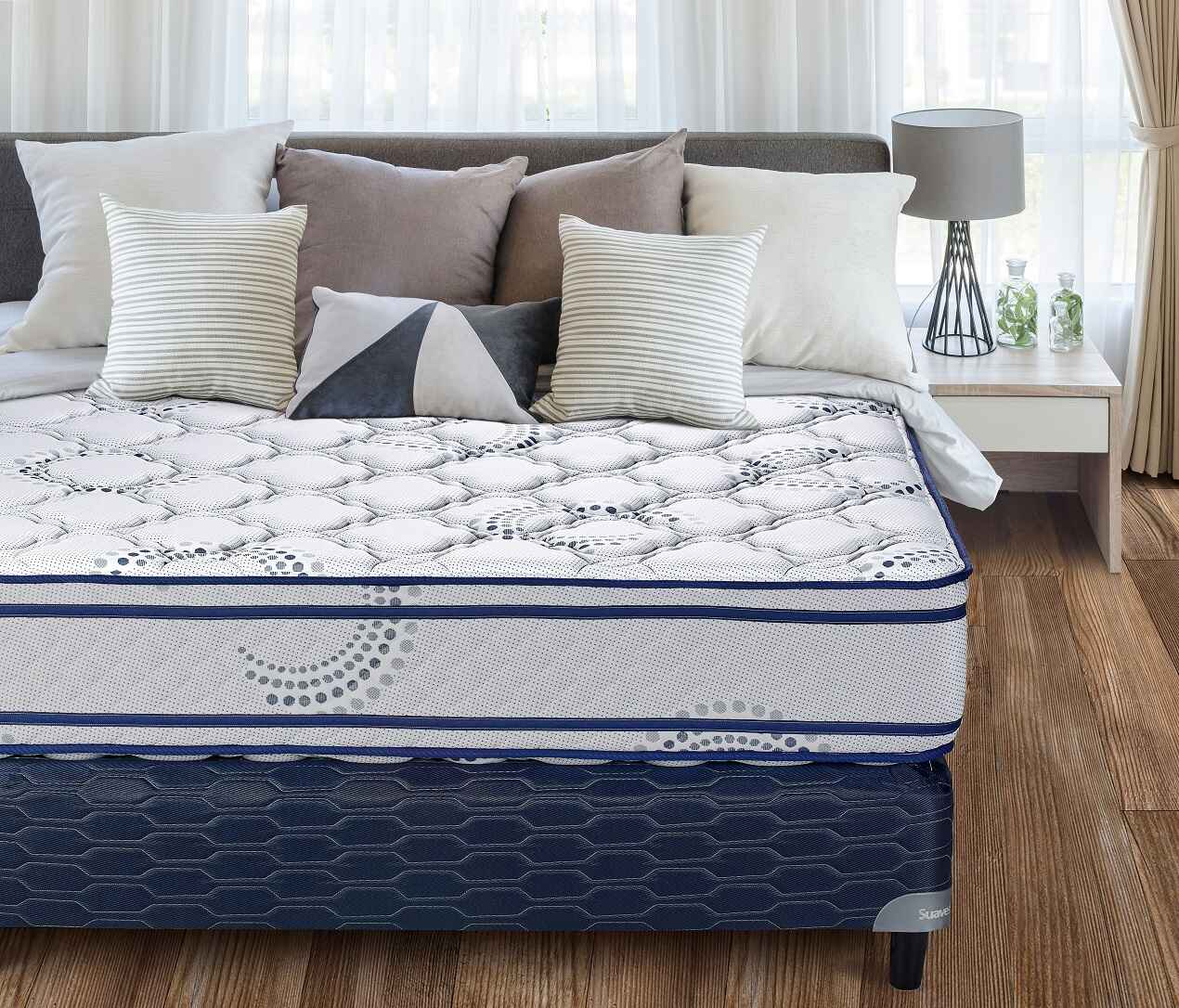
Anyone who has woken up with a hot, radiating ache running from the lower back down the leg knows that sciatica doesn’t stay quiet at night. The nerve pain that defines this condition tends to worsen with poor spinal alignment, and a mattress that lets the hips sink too far or fails to cushion pressure points can make symptoms noticeably worse. Choosing the best mattress for sciatica isn’t about finding one “magic” surface, it’s about understanding how different materials support the spine and relieve pressure, so you can match a mattress to your body and sleep habits.
This article breaks down how memory foam, latex, and hybrid mattresses each perform for people managing sciatic nerve pain, based on what sleep and pain research generally shows about firmness and spinal support.
Why Mattress Choice Matters for Sciatic Pain
Sciatica occurs when the sciatic nerve, which runs from the lower back through the hips and down each leg, becomes irritated or compressed, often due to a herniated disc, spinal stenosis, or muscle tension near the nerve. While a mattress cannot treat the underlying cause, it can influence how much pressure builds up around the spine and hips overnight, which affects both pain levels and sleep quality.
Research on chronic low-back pain patients gives some useful direction here. A large systematic review covering dozens of studies found that medium-firm mattresses were associated with better outcomes for pain, disability, and sleep quality compared to very firm or very soft surfaces. A separate randomized trial involving several hundred adults with chronic low-back pain also found meaningfully better results on a medium-firm mattress than on a firm one after three months of use. That’s a strong signal that “firmer is better” isn’t actually true for most people dealing with nerve-related back pain — the spine needs enough give to stay in a neutral position, not just a hard surface to rest on.
Memory Foam: Deep Pressure Relief, With a Catch
Memory foam is often the first material people associate with pain relief because it contours closely to the body, distributing weight evenly and cushioning pressure points at the hips and shoulders. For side sleepers with sciatica, this can reduce the compression that builds up around the hip joint and lower spine.
The trade-off is support. Softer memory foam mattresses can allow the hips to sink too deeply, especially for people carrying more body weight, which pulls the lumbar spine out of alignment and can aggravate nerve irritation rather than easing it. Denser, higher-quality memory foam with a firmer base layer avoids this problem, but budget foam mattresses without adequate support often don’t hold up well over time. Memory foam also tends to retain heat, which can be an issue for sleepers who already struggle with restless nights.
Latex: Responsive Support with Natural Bounce
Latex mattresses offer a different feel. Instead of slow-moving contouring, latex responds quickly to pressure and pushes back against the body, which gives a sense of “floating on” rather than “sinking into” the surface. This responsiveness makes it easier to change sleeping positions during the night — a genuine advantage for sciatica sufferers, since staying in one position too long often increases nerve compression.
Latex also tends to sleep cooler than memory foam and holds its shape longer, resisting the sagging that can develop in softer foam mattresses after a few years. The main limitation is availability and cost: natural latex mattresses are less common and typically priced higher than comparable foam or hybrid options, and the firmer bounce may feel less “hugging” to sleepers who prefer deep contouring.
Hybrid Mattresses: Balancing Support and Cushioning
Hybrid mattresses combine an innerspring or coil support base with a comfort layer of foam or latex on top. This construction is worth paying attention to when evaluating the best mattress for sciatica, because it directly addresses the two competing needs described above: firm, consistent support underneath, and pressure-relieving cushioning on top.
The coil layer in a hybrid mattress prevents the “hammocking” effect where the hips sink lower than the shoulders, which is one of the more common ways a mattress worsens sciatic symptoms in back sleepers. Meanwhile, the foam or latex top layer still cushions the hips and shoulders for side sleepers. Hybrids also tend to sleep cooler than all-foam mattresses because of the airflow between coils, and they generally offer stronger edge support, which matters for anyone who finds getting in and out of bed uncomfortable during a sciatica flare-up.
What to Actually Look For When Comparing Options
Regardless of material, a few practical factors matter more than brand or marketing claims when narrowing down mattress choices for sciatic pain:
- Firmness in the medium to medium-firm range (roughly 5.5–7 on a 10-point scale), which research consistently links to better outcomes for chronic low-back pain than very soft or very firm surfaces.
- Zoned lumbar support, meaning reinforced support specifically under the lower back rather than uniform firmness across the whole mattress.
- Adequate pressure relief at the hips and shoulders, particularly important for side sleepers.
- Body weight considerations — lighter sleepers often do better on softer surfaces, while heavier sleepers usually need firmer support to avoid sinking.
- Sleep position compatibility, since back, side, and stomach sleepers each load the spine differently.
Final Analysis
There isn’t a single material that works best for every person with sciatica, because the “right” mattress depends on body weight, sleep position, and personal comfort preferences. That said, the evidence points in a fairly consistent direction: medium-firm support that keeps the spine neutral, paired with enough cushioning to relieve pressure at the hips and shoulders, tends to produce the best outcomes. Memory foam excels at pressure relief but can lack support on its own. Latex offers responsive support and durability but comes at a higher price. Hybrids often land in the middle, combining structural support with adequate cushioning, which is why many sleep researchers and physical therapists point to hybrid or medium-firm constructions when discussing the best mattress for sciatica. Ultimately, testing a mattress in person — or using a generous trial period — remains the most reliable way to find out what actually works for your body, alongside guidance from a healthcare provider about managing the underlying nerve condition.