

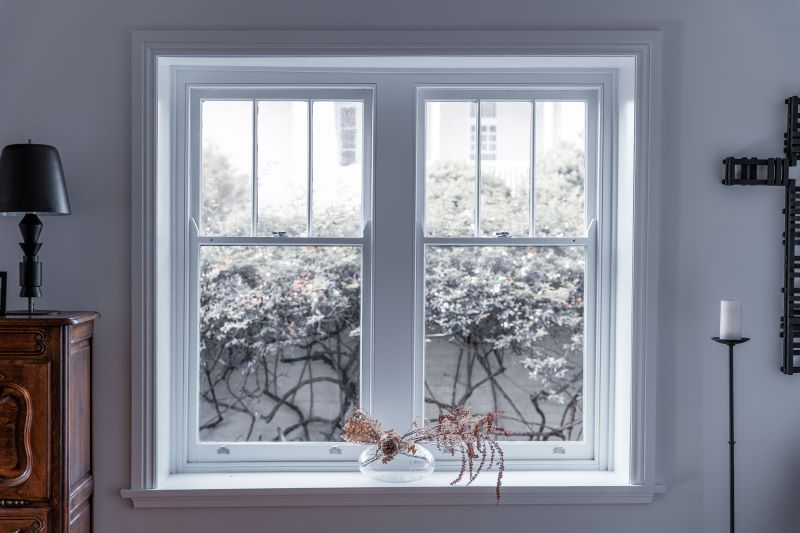
Traditional sash windows have graced buildings for centuries, offering an elegant balance of form and function. Their characteristic vertical sliding panels allow for precise control of ventilation, while their classic proportions enhance architectural charm. However, to preserve both their aesthetic appeal and practical performance, regular maintenance and the right hardware are essential.
Understanding the Anatomy of Sash Windows
A typical sash window consists of two movable panels—known as sashes—each containing multiple glass panes, often separated by muntins. These sashes slide past each other in a frame, balanced by hidden weights or springs. Proper operation depends on balanced movement, tight seals, and sound framing.
Balancing and Weighting Mechanisms
One of the defining features of a well-functioning sash window is its ability to stay open at any desired height without drifting. This stability is achieved through a counterbalance system. In many historic installations, lead or cast-iron weights hidden within the frame are connected to the sash by durable cords. Modern alternatives include spring balances and friction stays. When these mechanisms wear out or corrode, windows can become difficult to open or close, compromising both usability and safety.
The Importance of Quality Hardware
Investing in high-quality hardware not only ensures smooth operation but also extends the life of your windows. Components such as sash locks, pulleys, cords, and sash lifts should be selected for their durability and compatibility with the window’s design. For example, properly engineered pulleys reduce friction and wear on the moving parts, while corrosion-resistant finishes protect against moisture and temperature fluctuations.
Subtle Restoration Techniques
When restoring original sash windows, conservation-minded approaches are preferred. Rather than replacing entire sashes, craftsmen often opt to repair or consolidate existing timber, reglaze panes, and renew hardware in situ. This minimizes the loss of historic fabric and maintains the window’s authenticity. At the same time, upgrades like slim-profile weatherstripping and discreet draught seals can dramatically improve thermal efficiency without altering the window’s external appearance.
Enhancing Energy Efficiency
While sash windows are beloved for their character, older installations may suffer from poor insulation and air leakage. Thoughtful interventions—such as adding secondary glazing on the interior or installing high-performance yet minimally visible seals—can reduce heat loss and noise infiltration. Paired with well-maintained balancing systems, these measures help achieve a comfortable indoor environment and lower energy bills.
A Single, Critical Hardware Solution
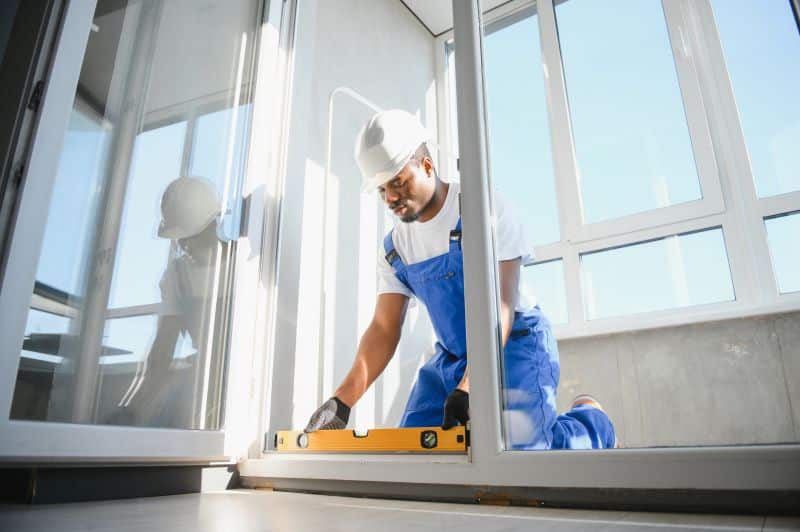
For those seeking to keep their windows operating effortlessly, attention to the counterbalance mechanism is key. One particularly effective upgrade involves integrating modern sash weights engineered for precise balancing. These contemporary replacements are manufactured to match the weight requirements of each sash, ensuring smooth, reliable operation and alleviating common issues like sash drift or uneven sliding.
Preserving Tradition for the Future
Well-maintained sash windows not only honor the tradition of craftsmanship but also contribute to sustainable building practices. By repairing and upgrading existing windows rather than replacing them entirely, property owners conserve resources and maintain the historical integrity of their structures. With the right combination of heritage techniques and contemporary hardware, these windows can continue to perform beautifully for generations to come.