

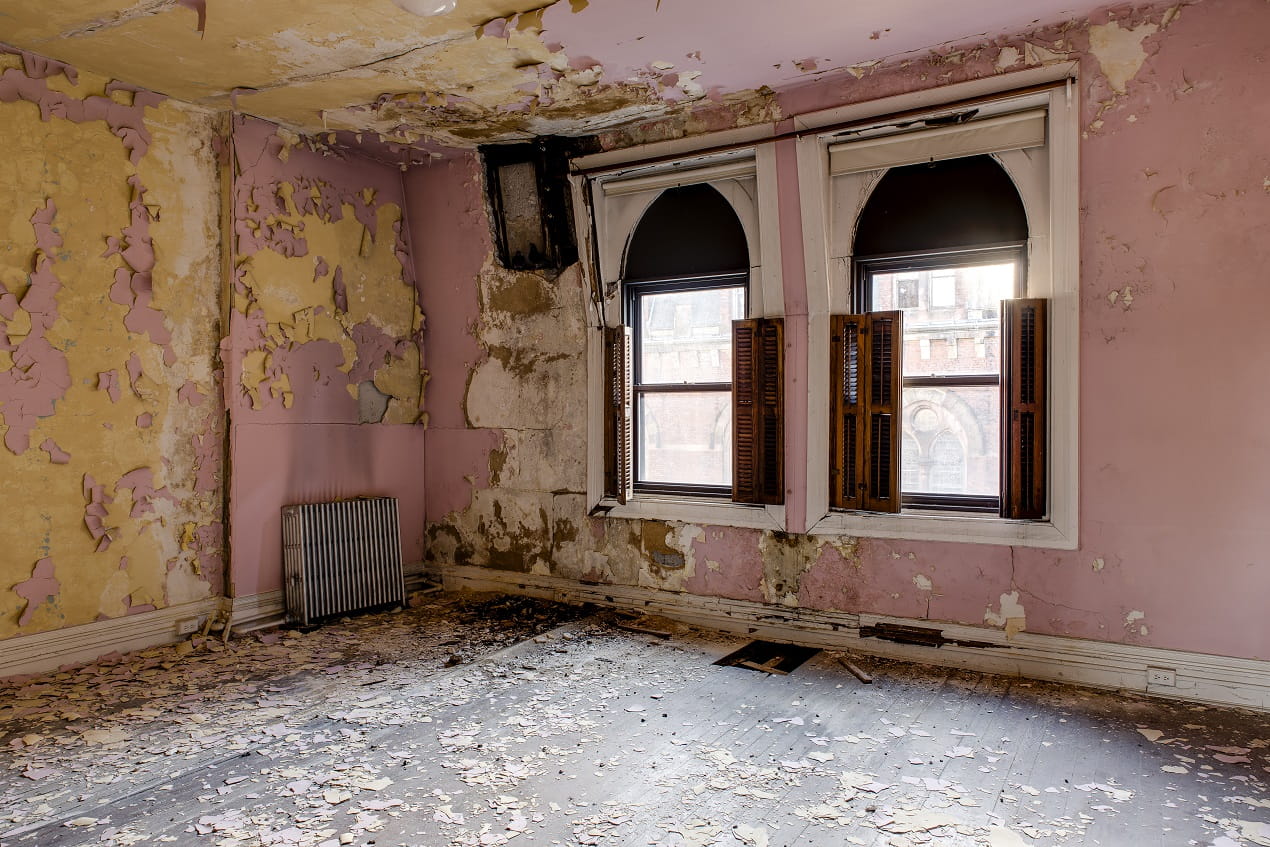
Moisture damage is one of the most common problems homeowners face, yet it often develops quietly before becoming a costly repair. Water can seep into walls, floors, and foundations through leaks, poor drainage, or excess humidity, leading to mold growth, wood rot, and structural issues. The good news is that a few simple maintenance habits can go a long way toward keeping your home dry and protected.
Inspect Your Home Regularly
Routine inspections are one of the easiest ways to prevent moisture-related problems. Check your roof for missing shingles, inspect gutters for debris, and look around windows and doors for cracked caulking or damaged seals. Inside the home, keep an eye out for water stains, peeling paint, or musty odors, as these can indicate hidden moisture.
When you catch small issues early, it can save you from dealing with expensive repairs later.
Keep Gutters and Downspouts Clear
Your gutter system plays a major role in directing rainwater away from your home’s foundation. When gutters become clogged with leaves and debris, water can overflow and collect near the base of your home. Over time, this can increase the risk of foundation damage and basement leaks.
Clean your gutters at least twice a year and make sure downspouts extend several feet away from the foundation to encourage proper drainage.
Improve Indoor Ventilation
Everyday activities such as cooking, showering, and doing laundry add moisture to the air. Without proper ventilation, excess humidity can lead to condensation and mold growth.
Use exhaust fans in kitchens and bathrooms whenever possible. Opening windows during mild weather and using a dehumidifier in damp areas can also help maintain healthy indoor humidity levels and reduce moisture buildup.
Check Plumbing for Leaks
A slow plumbing leak may not seem serious, but it can cause significant damage over time. Regularly inspect faucets, pipes under sinks, water heaters, and appliances that use water. Even a small drip can encourage mold growth and weaken surrounding materials.
If you notice unexplained increases in your water bill or damp spots on walls or floors, investigate promptly to identify the source.
Maintain Your Basement
Basements are especially vulnerable to moisture because they sit below ground level. Make sure foundation cracks are repaired quickly and monitor the area after heavy rainfall for signs of water intrusion. Installing a sump pump or improving drainage around your property may also help in areas prone to excess water.
If moisture problems become persistent, professional basement repair & waterproofing Philadelphia services can help identify the underlying cause and provide long-term protection for your home.
Create a Moisture Prevention Routine
Protecting your home doesn’t require major renovations. A consistent maintenance routine that includes cleaning gutters, checking for leaks, improving ventilation, and inspecting vulnerable areas can significantly reduce the risk of moisture damage.
By staying proactive and addressing small concerns before they become major issues, you can preserve your home’s value, improve indoor air quality, and avoid costly repairs for years to come.