

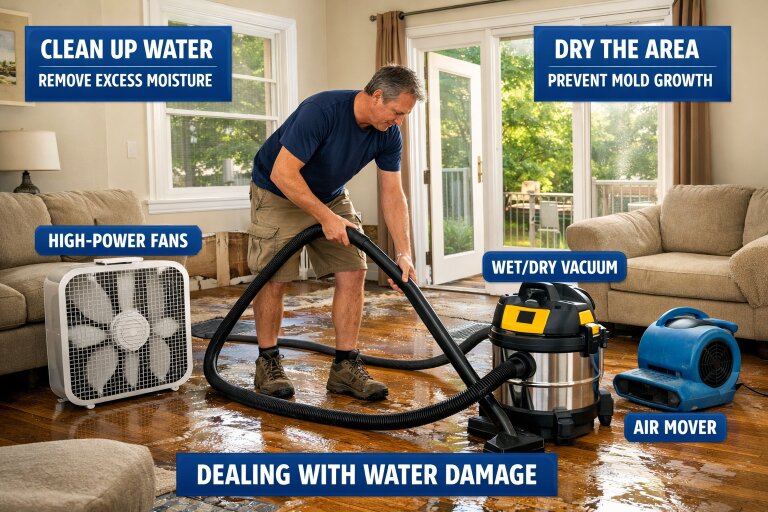
Water damage often strikes without warning, whether from a storm, plumbing failure, or appliance leak. Beyond the immediate stress of water cleanup, homeowners must act quickly to prevent mold from taking hold. Mold thrives in damp environments and can begin to form in as little as a day or two following water exposure. Addressing affected areas immediately is vital, not just for your property but to protect your entire family’s wellbeing. Engaging in basement crawlspace waterproofing can be a practical preventative step to make your home less susceptible to future water intrusion and resulting mold issues. Ignoring mold growth after water damage can lead to structural problems and significant health risks, especially for those with existing respiratory conditions. Understanding the causes, warning signs, and prevention strategies for household mold will empower you to take proactive measures and respond effectively after any water-related event.
Understanding Mold Growth After Water Damage
Mold spores exist naturally indoors and outdoors. However, they only become problematic once excess moisture is present. When water from a burst pipe, leaking roof, or heavy rainfall infiltrates your home, the resulting damp conditions create the perfect environment for mold. According to the Environmental Protection Agency, surfaces left damp for 24 to 48 hours can quickly develop mold, leading to lingering problems if left unaddressed. Once established, colonies can spread rapidly, affecting drywall, insulation, carpets, wood, and even personal belongings.
Immediate Steps to Prevent Mold
A rapid response is essential to prevent major mold issues after water damage. Taking these immediate steps can make a significant difference:
- Remove Standing Water: Utilize pumps, wet-dry vacuums, or towels to clear all standing water as soon as possible.
- Dry All Surfaces: Use fans, dehumidifiers, and natural airflow by opening windows and doors to remove excess moisture from walls, floors, carpets, and furniture.
- Discard Heavily Soaked Items: Materials such as carpet padding, insulation, and certain furnishings may be impossible to salvage if saturated for too long. These should be safely discarded to prevent further contamination.
- Thoroughly Clean and Disinfect: After drying, clean non-porous surfaces with detergent and hot water, then follow up with an effective disinfectant to eliminate any residual spores.
Comprehensive strategies such as the ones found on the Redfin blog on mold prevention can provide additional guidance on handling specific scenarios, including larger water disasters or multi-level home floods.
Signs of Mold Development
Despite best efforts, some moisture and spores might go unnoticed. Staying alert to these warning signs helps catch mold early:
- Musty or Earthy Smells: Persistent odors, particularly in basements or recently damp areas, often indicate mold presence.
- Visible Mold Stains: Look for black, green, or white patches along baseboards, on ceilings, behind wallpaper, or inside closets.
- Health Symptoms: Unexplained allergies, sneezing, respiratory congestion, and even skin rashes in household members may be linked to mold exposure.
Regular inspections and attention to these details are critical to containing potential outbreaks.
When to Call Professionals
DIY cleanup is practical for minor issues, but certain scenarios require the help of certified mold remediation professionals. If you notice mold spreading over an area larger than 10 square feet, or if you suspect mold in heating and air conditioning ducts, it is best to seek expert help. Professional services not only have advanced equipment but also the knowledge to properly contain and remove mold without risking further spread throughout your home. According to the Centers for Disease Control and Prevention, large or hidden infestations can also contain dangerous strains that are not safe for untrained persons to remove.
It’s also important to keep in mind that mold growth can sometimes persist behind walls or under flooring, remaining undetected until it spreads further.
Long-Term Prevention Strategies
To protect against repeated outbreaks, homeowners should adopt these long-term measures:
- Maintain Ventilation: Run exhaust fans in bathrooms and kitchens, and ensure dryers and stoves vent outdoors to control indoor moisture.
- Monitor Humidity: Keep humidity levels below 60 percent. Homes in humid zones may benefit from using dehumidifiers regularly.
- Inspect for Leaks: Regular checks of your roof, attic, plumbing, and crawlspaces can catch leaks before they become a larger problem.
- Make Prompt Repairs: Address any damage or leaks without delay, whether they stem from storms, plumbing, or appliance malfunctions.
For more in-depth advice, resources offer valuable strategies for ongoing mold prevention and moisture control. Being proactive about checking your home’s foundation and grading can also help to divert water away from the property, reducing the risk of future moisture problems indoors.
Health Risks Associated with Mold
Continuous or high-level exposure to mold can lead to serious health problems. Even individuals with no existing health concerns may experience nasal stuffiness, coughing, throat irritation, and eye or skin discomfort. For people with asthma, allergies, or weakened immune systems, mold exposure can result in severe respiratory complications. Awareness of these risks is crucial so that swift action can be taken, especially in homes with young children or elderly residents, who are most vulnerable to environmental hazards.
Conclusion
Acting quickly after water damage is essential to preventing mold before it starts. Removing moisture, disposing of unsalvageable materials, carefully cleaning all surfaces, and staying alert to signs of growth will protect the structure and value of your home. Applying long-term strategies such as basement-crawlspace waterproofing, ensuring prompt repairs, and monitoring for water leaks further safeguards against future infestations. If you are ever uncertain about the extent of mold contamination or unprepared for safe cleanup, do not hesitate to call professionals to ensure your family’s well-being and your property’s long-term health. Even a little vigilance can go a long way in preventing costly damage and keeping your living space healthy and comfortable year-round.