

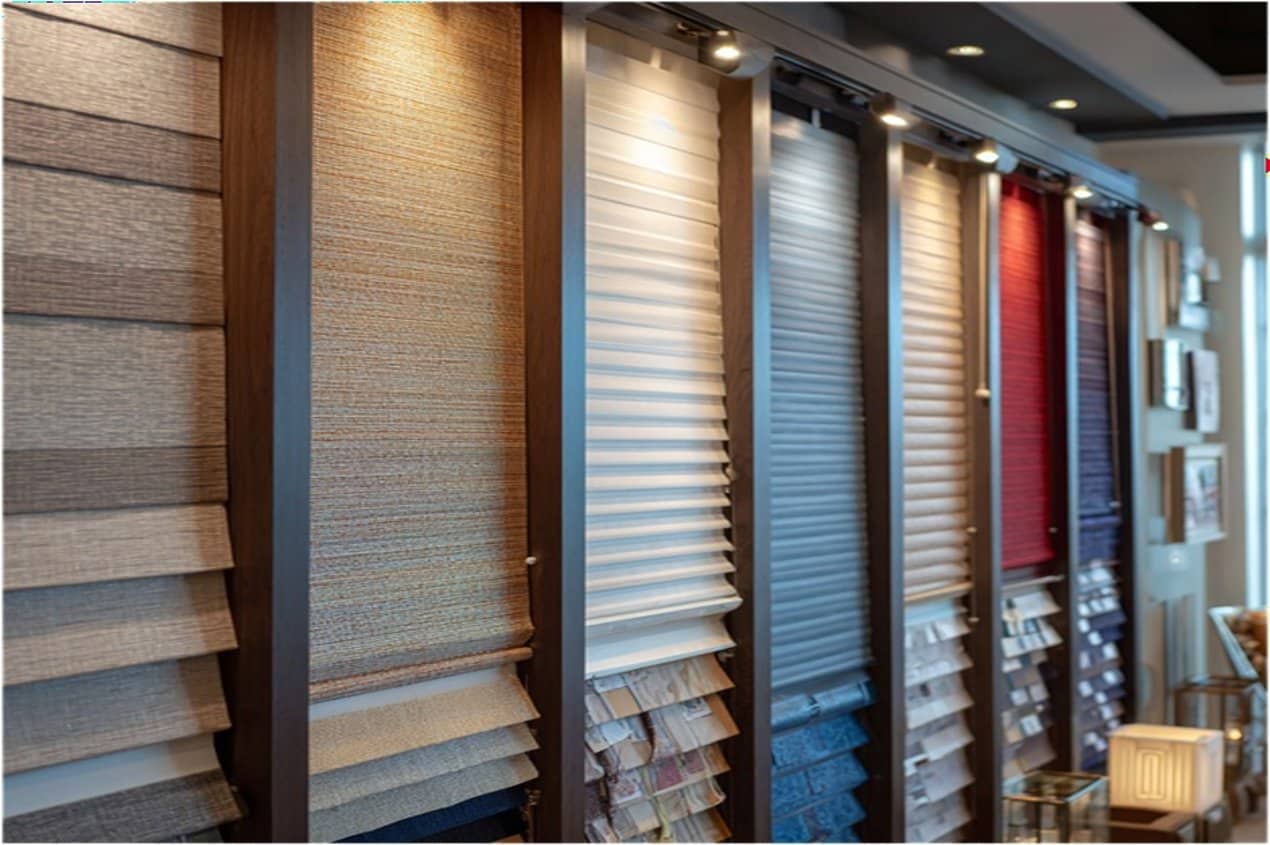
Window treatments play a vital role in both the functionality and aesthetic appeal of a home. Among the many options available, blinds remain one of the most versatile and practical choices. They offer excellent light control, privacy, and style, making them suitable for almost any room. If you’re planning to upgrade your interiors, understanding the types of window blinds can help you choose the best option for your needs.
Understanding Window Blinds
Blinds are window coverings made of slats or panels that can be adjusted to control light and airflow. They come in various materials, colors, and designs, allowing homeowners to match them with different interior styles. Whether you prefer a modern, minimalist look or a more traditional design, there is a blind to suit your space.
The wide range of available options means that selecting the right blinds depends on factors such as room function, lighting requirements, and personal preferences.
Common Types of Window Blinds
There are several popular types of window blinds, each offering unique benefits and features.
Vertical Blinds
Vertical blinds consist of long slats that hang vertically and can be tilted or drawn to one side. They are ideal for large windows and sliding glass doors. These blinds provide excellent light control and are easy to operate, making them a practical choice for living rooms and offices.
Venetian Blinds
Venetian blinds are one of the most traditional and widely used styles. They feature horizontal slats made from wood, aluminum, or plastic. These blinds allow precise control over light and privacy by adjusting the angle of the slats. They are suitable for bedrooms, kitchens, and offices.
Roller Blinds
Roller blinds are made from a single piece of fabric that rolls up and down using a simple mechanism. They offer a clean and modern look, making them a popular choice for contemporary homes. Roller blinds are available in various fabrics, including blackout options for better light control.
Roman Blinds
Roman blinds combine the softness of curtains with the functionality of blinds. When raised, the fabric folds neatly into pleats, creating an elegant appearance. They are perfect for adding a touch of sophistication to living rooms and bedrooms.
Cellular (Honeycomb) Blinds
Cellular blinds are designed with a unique honeycomb structure that traps air, providing insulation. This helps improve energy efficiency by keeping rooms warmer in winter and cooler in summer. They are an excellent option for homeowners looking to reduce energy costs.
Factors to Consider When Choosing Window Blinds
Selecting the right blinds involves more than just choosing a style. Several important factors should be taken into account.
Light Control and Privacy
Different rooms require different levels of light and privacy. For example, bedrooms may benefit from blackout blinds, while living areas may require adjustable light filtering options.
Material and Durability
Blinds come in materials such as wood, metal, fabric, and PVC. The choice of material affects durability, maintenance, and overall appearance. For high-moisture areas like bathrooms, moisture-resistant materials are recommended.
Style and Interior Design
Blinds should complement the overall décor of your home. Neutral tones work well in most spaces, while bold colors or patterns can add a decorative touch.
Conclusion
Choosing the right window blinds can significantly enhance the comfort and style of your home. By understanding the different types available and considering factors such as light control, material, and design, you can make an informed decision that suits your needs.
Whether you prefer the classic appeal of Venetian blinds or the modern simplicity of roller blinds, there is a perfect option for every space. Investing in the right blinds not only improves functionality but also adds a polished and cohesive look to your interiors.