

When it comes to selecting the perfect tile for your home improvement project, durability is a key consideration. Both Unglazed Zellige Tile and Glazed Ceramic Tile offer unique advantages, but understanding their specific characteristics can help you make the best choice for your needs. This article will explore the durability aspects of both tiles, analyze their maintenance requirements, and guide you in choosing the right option for your space. By the end, you’ll have a clear understanding of which tile offers greater resilience for your interior design projects.
Unglazed Zellige Tile Characteristics and Durability
Unglazed Zellige Tile, known for its handcrafted nature and unique aesthetic, brings a rustic charm to any space. This tile is made from non-refined clay, which is then fired without a glaze, resulting in a natural finish that highlights its organic beauty. One notable characteristic of Unglazed Zellige Tile is its ability to absorb water, making it suitable for areas where slip resistance is crucial. Due to its natural texture, this tile can handle wear and tear effectively, making it a durable choice for high-traffic areas.
Additionally, Unglazed Zellige Tile is known for its color retention. Unlike glazed tiles, which can fade over time, unglazed options maintain their vibrant hues, even in direct sunlight. This quality makes them ideal for spaces that receive abundant natural light. The durability of Unglazed Zellige Tile is further enhanced by its inherent resistance to scratches and chips, ensuring longevity in both residential and commercial settings.
For those looking to incorporate a sustainable element into their design, Unglazed Zellige Tile is an excellent choice, as its production process aligns with eco-friendly standards, similar to achieving LEED Certification in other construction aspects. To learn more about the distinct advantages of Unglazed Zellige Tile, such as its durability and aesthetic appeal, visit Unglazed Zellige Tile.
Glazed Ceramic Tile: Strength and Resilience Factors
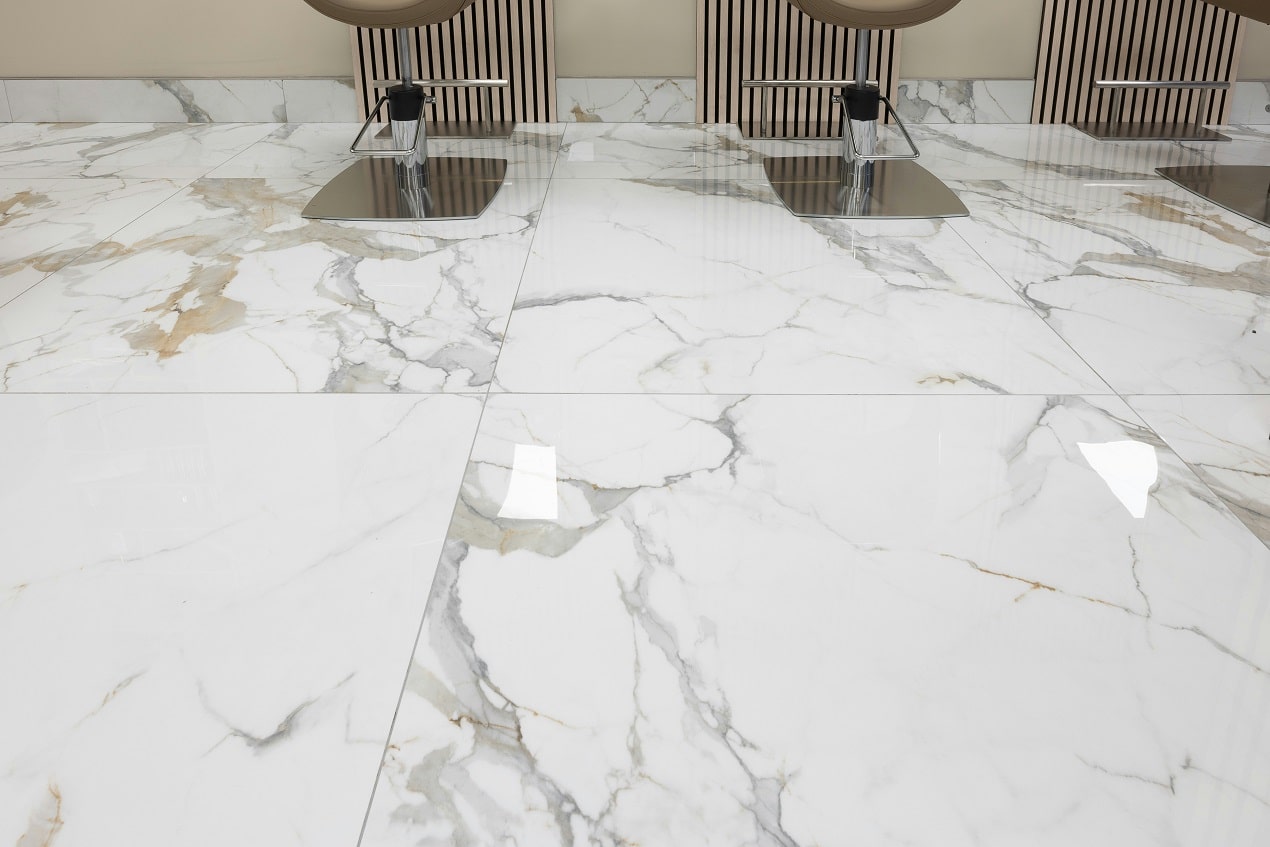
Glazed Ceramic Tile is a popular choice for its smooth surface and glossy finish, achieved by applying a liquid glass coating before firing. This glaze not only enhances the tile’s aesthetic but also provides a protective layer that resists stains and moisture, making it an excellent option for kitchens and bathrooms where moisture is prevalent. The glaze acts as a barrier, preventing water from seeping into the tile, thus reducing the risk of mold and mildew growth.
In terms of strength, Glazed Ceramic Tile is highly resilient to scratches and impacts. Its hard surface makes it suitable for areas with heavy foot traffic, such as hallways or commercial spaces. However, it’s essential to note that while the glaze offers protection, the tile itself can be prone to cracking under extreme pressure. Therefore, proper installation and the use of a suitable underlayment are crucial to maximizing its durability.
To ensure that your Glazed Ceramic Tile installation complies with safety and durability standards, consider consulting As-Built Drawings. These detailed documents provide insights into the construction process, helping you make informed decisions about tile placement and installation techniques.
Comparative Analysis of Maintenance and Longevity
Maintenance is a significant factor when considering the longevity of any tile. Unglazed Zellige Tile requires periodic sealing to maintain its resistance to stains and water. This process is similar to creating a Mood Board, where careful planning and attention to detail result in a cohesive and long-lasting design. Regular cleaning with a pH-neutral cleaner helps preserve its natural beauty.
In contrast, Glazed Ceramic Tile demands less maintenance due to its protective glaze, which repels stains and simplifies cleaning. However, it’s important to avoid abrasive cleaners that can damage the glaze over time. The longevity of both tile types depends on proper installation, regular maintenance, and adherence to specific care guidelines.
Recent research from ArchDaily highlights that the lifespan of tiles can significantly be extended by following manufacturer recommendations and considering environmental factors such as humidity and temperature fluctuations.
Choosing the Right Tile for Your Space and Style
Selecting the right tile involves more than just durability considerations. The aesthetic and functional requirements of your space play a crucial role in this decision. Unglazed Zellige Tile is ideal for those seeking a timeless, handcrafted look that complements traditional or rustic interiors. Its versatility makes it suitable for both floors and walls, adding a touch of artisanal charm to any room.
On the other hand, Glazed Ceramic Tile offers a sleek, modern appeal that fits well with contemporary designs. Its variety of colors and patterns allows for greater flexibility in creating a personalized look. When deciding between the two, consider factors such as color scheme, room function, and desired maintenance level.
For instance, incorporating elements of Ergonomics in Design can enhance the functionality of your space, ensuring that your tile choice not only looks good but also contributes to a comfortable and efficient environment.
Conclusion
Choosing between Unglazed Zellige Tile and Glazed Ceramic Tile ultimately depends on your specific needs and preferences. Unglazed Zellige offers natural beauty and robust durability, ideal for high-traffic areas and eco-conscious designs. Meanwhile, Glazed Ceramic provides a protective finish and low maintenance, perfect for moisture-prone spaces. Consider the unique features of each tile type to make an informed decision that aligns with your home improvement goals.