

Problem tenants may be a source of prolonged stress. This doesn’t have to be your situation for the next few months or years until you figure out how to sell. There are quick sale options available precisely for such cases where a normal sale is not possible. The main thing is to understand when you have reached the point where leaving quickly is more beneficial for you than continuing to fight with tenants who won’t even try to be reasonable.
Mental health, financial stability, and quality of life are definitely more important than holding stubbornly onto an investment that is destroying all three. Quick sales are a real way to get out of tenant nightmares, thus enabling you to leave with dignity and some money to invest in the areas that actually contribute to your wellbeing rather than being contrary to it.
Why Immediate Action Matters
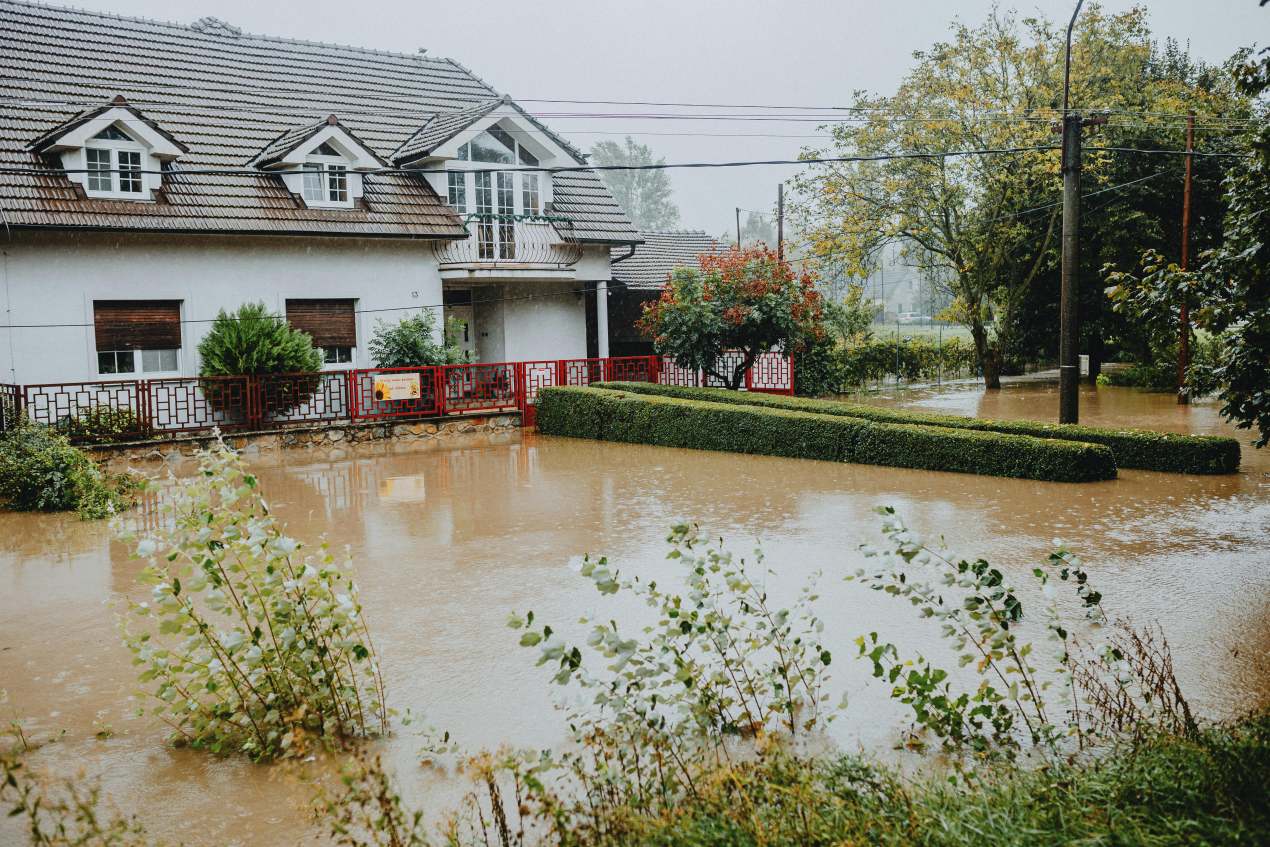
The timeline for water damage makes it so that the quick action is not just a matter of choice but a necessity. Usually, within the first 24 hours from the water intrusion, there is a very short period when the mitigation is still easy to perform. The drying of materials, the pumping out of the water, as well as the treatment of the areas for mold prevention are all possible at this stage. If you decide to call a professional for water damage restoration during this period, the expenses will be only a small part of the cost of the repairs in case of a delay.
The time between 24 and 48 hours is the time when mold colonization starts. The spores that were dormant or that existed in very small quantities now have all the moisture they need for their reproduction to be very rapid. When mold gets established, drying alone is no longer enough. At this point, you have to deal not only with water damage but also with mold remediation, which, therefore, creates a restoration work cost that is two or three times higher than the original one.
After seven days of water and moisture exposure, the damage has become severe. The wood has started to rot, the drywall has lost its strength and needs to be replaced rather than dried, and the mold has spread not only in the rooms but also in the spaces connected to them. The restoration project that at the most should have cost you five thousand dollars if done in the first day or two has now turned into a reconstruction job worth fifteen or twenty thousand dollars.
The damages that follow from the delay of the action usually are even more that the initial water damage costs. Mold that spreads through the HVAC systems makes your entire home contaminated every time the system is on. Structural wood rot can cause you a big job which consists of removing and replacing framing members and opening walls and ceilings beyond the originally affected area. Problems with the foundation resulting from persistent moisture can cause you cracks, settling, and structural movement that, in turn, can affect the whole building.
When Repairs Aren’t Worth Making
At times, the degree of water damage or the situation around it makes the costly repairs a financially irrational decision. So if your house has been flooded repeatedly due to some chronic problems such as a defective foundation or bad grading, then repairing the damage you have without fixing the causes will only make you the next victim. The cycle of damage and repair becomes financially unsustainable.
The homes that are old and have extensive existing damage may have gone beyond the point where the cost of repairs is close to or even exceeds the value of the home. When water damage results in the revelation of structural issues, outdated systems, and neglected maintenance throughout the property, then the total cost of the remediation may make it more reasonable to sell as-is rather than trying to do repairs. It is especially the case if you do not intend to stay in the house for a long time and therefore you will not recover the repair costs through an increased sale price.
For homeowners facing these difficult situations, companies like The Best Cash Home Buyer provide alternatives to spending tens of thousands on repairs for properties you’re ready to leave behind. Selling water-damaged homes as-is removes the burden of expensive repairs while allowing you to exit a problematic property quickly.
Financial constraints also factor into rational decision-making about repairs. If you lack the resources to properly remediate water damage and can’t secure financing, attempting partial repairs often creates worse problems than leaving damage unaddressed while pursuing a quick sale. Incomplete water damage repairs rarely satisfy building inspectors, insurance companies, or potential buyers in traditional sales.
Protecting Your Investment
Water damage prevention is an issue that deserves a lot of attention and a serious financial commitment in the case of homeowners who wish to stay in their properties. Proper grading around foundations is one of the things that ensures water is directed away from the structure. Gutters and downspouts should be in good shape at all times and water from them should not be allowed to get close to the foundation. Sump pumps equipped basements must also have a backup power source in case of storm-related power outages and they should be tested on a regular basis.
By constantly monitoring the moisture level inside a property, it is possible to resolve problems before they get out of hand. Humidity sensors will let you know that the moisture level is elevated in a certain area, thus unveiling the leaks that are hidden in that place. Putting water sensors near water heaters, washing machines, and under sinks will let you know if it starts leaking in these areas and you will be able to stop the water in time thus avoiding costly damages. These relatively cheap things are the principal reason why, in theory, damage costs can go very high and sometimes even people don’t realize it.
Making the Right Decision
Water damage requires an urgent response whether you want to fix it or sell the property. The first thing to do is to stop the water from coming in and start drying the place to avoid any more damage. Once you’ve dealt with the emergency, you can decide if it makes sense to fix the house or if it’s better for you to sell it as it is.
The choice is influenced by a variety of factors, such as the extent of the damage, your financial situation, your long-term plans for the property, and the general condition of the house apart from the water damage. There is no right or wrong decision in this case, but it is not in anyone’s interest to delay the decision while the damage is getting worse. Water damage does not get better over time, and the issues that come with it increase very quickly if they are not taken care of.