

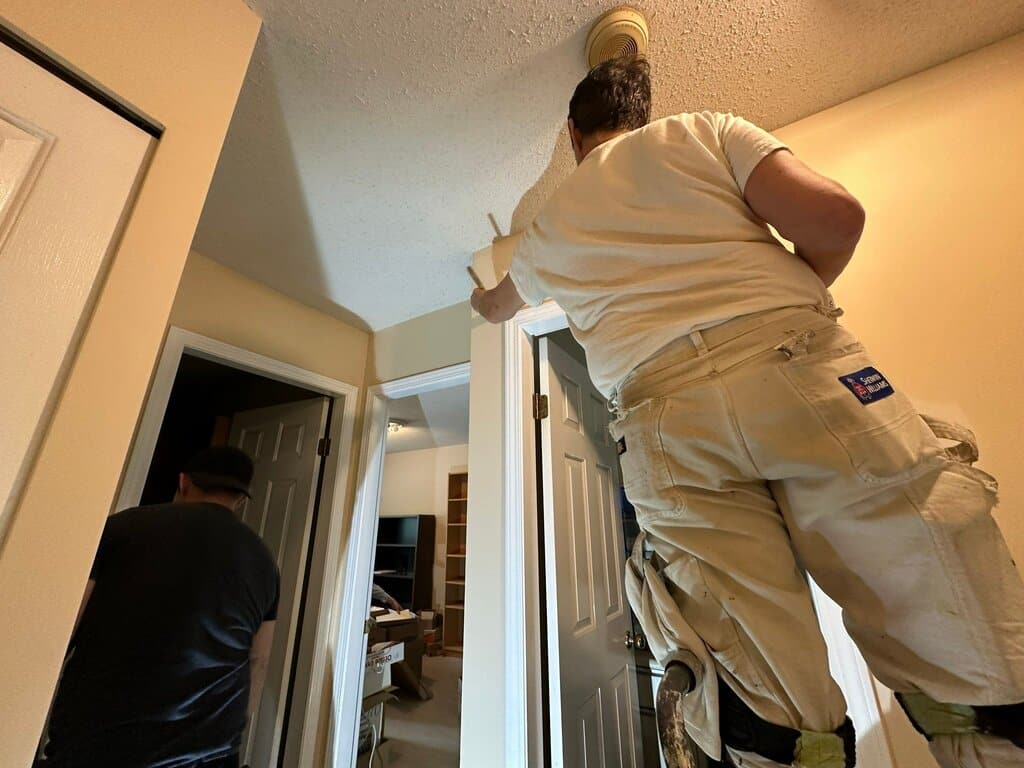
For many Vancouver homeowners, the idea of exterior house painting in winter is out of the question – but here’s a surprise: that cold season might actually be the ideal time to tackle your indoor painting projects. While many people assume they should postpone any house painting until summer, the truth is that winter interior painting offers unique advantages. In fact, contrary to what you might think, cold weather can help you achieve smoother walls and faster-drying paint indoors. And though exterior house painting in winter is generally challenging due to rain and low temperatures, tackling your interior now means you’ll enjoy beautiful results by spring.
Why Exterior House Painting in Winter Is Challenging
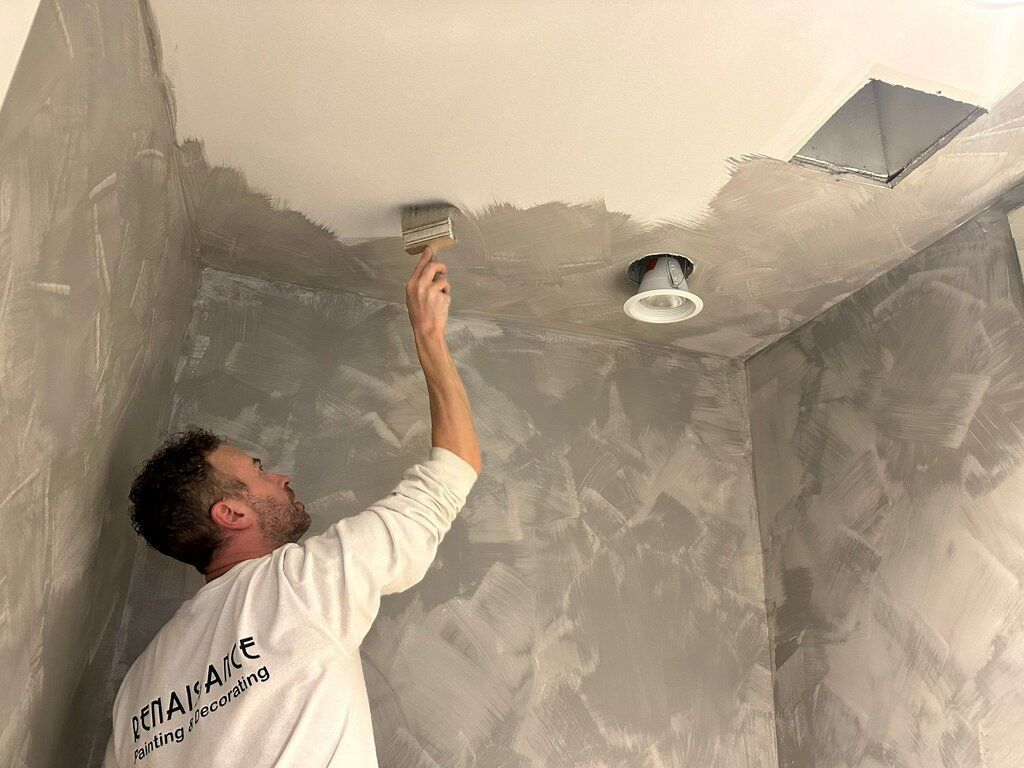
Exterior house painting in winter in a mild yet wet climate like Vancouver is notoriously difficult. Outdoor painting requires certain conditions that winter rarely provides. For one, paint won’t cure properly on damp or frosty surfaces. Any rain, snow, or high outdoor humidity can lead to blistering or cracking paint. Additionally, cold temperatures slow down drying. Many paints don’t dry well below about 10°C (50°F), which is common on winter days. If the thermometer dips near freezing, house painting in cold weather becomes even riskier – you might end up with uneven color and poor adhesion. Vancouver winters also bring shorter daylight hours, leaving less time for painting outside before darkness and cold set in.
Professional painters typically avoid painting outside of a house in winter unless absolutely necessary. Even specialized cold weather house paint from Home Depot or Sherwin-Williams can struggle if applied in the wrong conditions. According to experts, exterior projects need an ambient temperature above about 2°C for a successful paint job. Otherwise, the paint may fail to bond and could peel by the time spring arrives. It’s safe to say that painting a house in the winter is a gamble unless you get an unusually dry, mild spell. That’s why smart homeowners turn their focus indoors instead of attempting exterior house painting in winter.
Winter Interior Painting: The Best Season for Indoor Projects
While exterior jobs go on hold, your home’s interior can shine during a Vancouver winter. In fact, many contractors call winter the “secret season” for indoor makeovers – essentially a winter renovation season perfect for projects like painting. Why? The conditions inside your home are often ideal for painting this time of year. Unlike exterior work, which is at the mercy of the elements, interior painting in a Vancouver winter benefits from a controlled, heated environment. Thanks to your heating system, indoor temperatures stay comfortably within the optimal range for paint (generally between 15°C and 25°C). The air in winter tends to be drier as well – cold air holds less moisture, resulting in low humidity painting conditions. Less humidity means paint cures and hardens more quickly, so you get a durable finish faster. That fresh coat on your living room wall will dry evenly without the stickiness or extended wait times you might experience on a muggy summer day.
Homeowners often find that painting inside in the winter actually produces fewer odors and fumes too. Modern low-VOC paints produce minimal smell to begin with, and the brisk dry air helps any slight odor dissipate quickly. You can crack a window for ventilation during the day, but you won’t need to leave it open for long. By evening, your rooms can be warm and cozy again – but now with a crisp new color on the walls. You also won’t face weather delays like you would with exterior house painting in winter – all the work happens comfortably inside.
Top Benefits of Interior Painting in Winter
Choosing to do your interior painting in winter comes with a host of benefits for Vancouver homeowners – especially when you consider how challenging exterior house painting in winter can be. Here are some of the key advantages:
- Faster Drying Times: Winter’s lower humidity and stable indoor temperatures mean paint dries faster and cures harder. You can often apply a second coat sooner because you’re painting in low humidity conditions that speed up drying. By contrast, exterior house painting in winter would dry much more slowly, if at all.
- Smoother Finish: With less moisture in the air, there’s a reduced chance of condensation or uneven drying. The result is a smooth, even finish on your walls. You avoid the bubbling or blistering that high humidity can cause. Those problems often plague exterior house painting in winter.
- More Contractor Availability: Winter is typically the off-season for painters who would normally be busy outside. Virtually no one is scheduling exterior house painting in winter, so local pros have more flexibility in their schedules for indoor jobs and shorter wait times for you.
- Competitive Pricing: Winter is a slow season for painters. Virtually no one is tackling exterior house painting in winter, so many painting companies offer off-peak discounts or special winter rates to keep business flowing. You might save money by scheduling your project now instead of in the busy summer period.
- Convenience and Comfort: Getting your painting done in winter means less disruption during your summer. You can enjoy those warm months freely, with all your indoor updates already completed. Plus, family schedules in winter often make it easier to accommodate a painting crew – you might be traveling for the holidays or happy to stay cozy indoors while the work happens.
Winter Painting Tips for Best Results
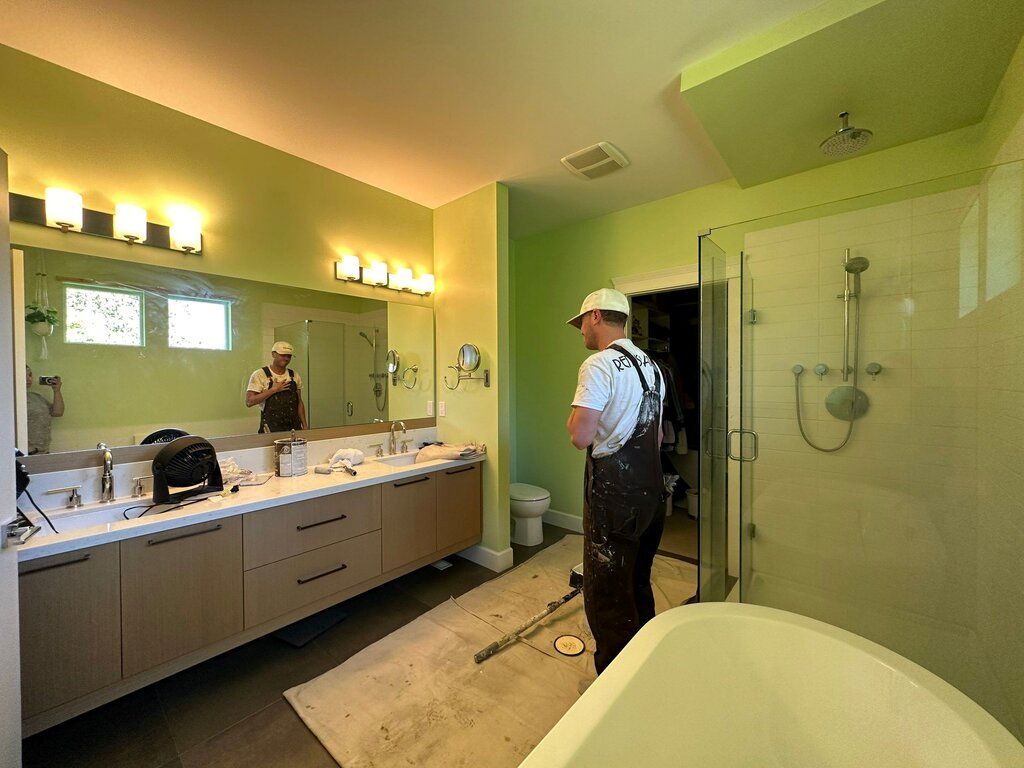
To maximize the benefits of interior painting in the winter, keep a few tips in mind. First, choose days for painting when you can open windows for a short time. Even though winter air is dry, a bit of airflow helps any remaining fumes escape. Pick the best time of day to paint interior spaces in winter – usually late morning or early afternoon. This is when natural light is strongest (helping you see true paint colors) and indoor temperatures are at their peak. Start your project by mid-day so you can wrap up before it gets dark and chilly. And remember, trying to do exterior house painting in winter will likely run into trouble. It’s best to keep your efforts indoors until the weather warms.
Also, be mindful of your home’s humidity levels. While winter air is drier, everyday activities like cooking or showering can add moisture indoors. Try to keep the indoor relative humidity around 40–50% while painting for optimal drying. If it gets too humid, run a dehumidifier or exhaust fan to bring levels down. If it’s very dry (under 30% humidity), a slight boost with a humidifier can help the paint flow and level properly. The goal is stable temperature painting conditions: a consistent warm temperature and moderate humidity so the paint sets properly and adheres well.
Another smart move is to plan your color choices and supplies ahead of time. Winter is an excellent season to explore new interior color trends. You might be inspired by seasonal hues like Dulux Winter Fog or the deep blue-green of Dulux Winter Teal 5, but make sure you test swatches in your space. (Winter’s softer daylight can slightly affect how a color appears on your wall, so sampling is still important.) Once you’ve chosen your palette, you’ll find paint stores and home improvement centers are less crowded in winter, making it easier to get personal advice on products and primers, or even find specialized cold weather paint if you need one for a specific project.
Conclusion: A Secret Season for Superior Interiors
Don’t let Vancouver’s chilly, wet season fool you – it just might be the best time of year to paint indoors. From faster drying times to greater expert availability, the advantages of winter interior painting are clear. Instead of risking an exterior house painting in winter project, you can achieve beautiful winter home painting results inside with less stress. Simply put, interior winter painting beats attempting exterior house painting in winter for most homeowners. Remember, the key is to maintain a warm, low-humidity environment and to take advantage of the season’s slower pace. By the end of winter, you’ll be rewarded with freshly painted rooms that are ready to enjoy.
If you’re ready to transform your home this winter, consider consulting a professional team for help. Experienced painters understand how to optimize conditions for an indoor winter project. They can also advise on any unique situations, like painting interior walls in winter when ventilation is limited or selecting paints formulated for cooler environments. For instance, interior painting specialists in Vancouver know how to get great results even during the coldest months (when exterior house painting in winter just isn’t feasible). By partnering with experts, your winter makeover will be efficient, safe, and high-quality.
Winter is a secret ally for savvy homeowners looking to refresh their living spaces. Take advantage of the season, and you’ll see that a little cold outside can mean a lot of beauty inside.