

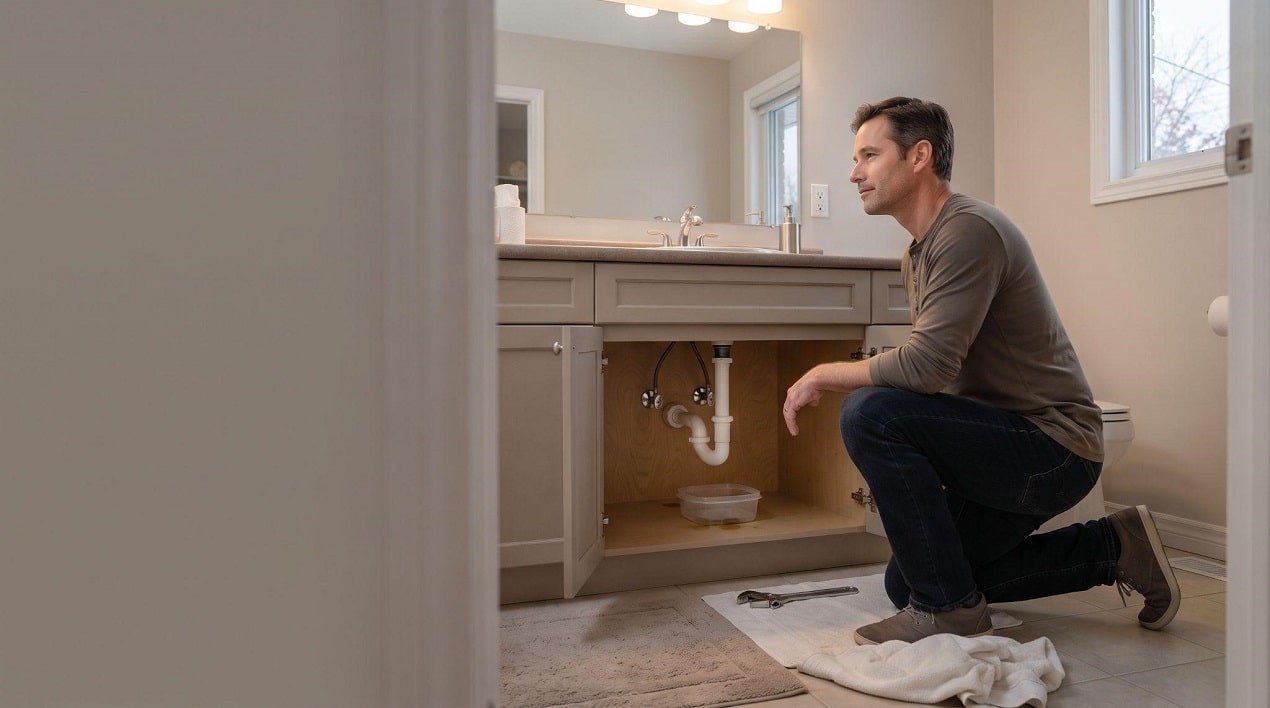
A dripping faucet, a slow bathroom drain or a toilet that continues running after a flush can look like straightforward problems. Many homeowners in Ontario have basic tools, access to online tutorials and enough confidence to investigate. Some of those situations are genuinely manageable. Others are symptoms of something deeper, and the line between the two is not always obvious.
The question is not whether a homeowner should ever touch a plumbing fixture. It is knowing where reasonable maintenance ends and where the risk of property damage, contamination or a more serious plumbing failure begins. Ontario’s climate adds another layer. Cold winters, freeze-thaw cycles, basements and seasonal temperature swings can all affect how plumbing behaves and how quickly a small issue can become a larger one.
In communities like Markham and across York Region, homes range from newer builds near Cornell to older properties in Unionville and Thornhill. That variety means plumbing systems can differ significantly in age, material and layout. When a leak, blockage, pressure problem or drainage issue cannot be confidently identified, it often makes sense to contact a trusted plumber in Markham who can assess the situation properly rather than risk a temporary fix that masks a deeper problem.
What Plumbing Work Can Homeowners Reasonably Handle Themselves?
Not every plumbing issue requires a service call. Some tasks are low-risk, visible and within the scope of normal home maintenance.
Cleaning an accessible drain strainer, removing visible hair from a shower drain or replacing a faucet aerator are reasonable examples. A running toilet can sometimes be traced to a worn flapper that is easy to inspect and replace. Knowing where the main water shut-off valve is located is also valuable, as is occasionally checking exposed plumbing under sinks or in the basement for moisture, corrosion or dripping.
The distinction that matters is between maintenance and attempting to diagnose or alter a plumbing system. Maintenance is about keeping accessible parts clean, functional and visible. Once a homeowner needs to open walls, modify supply or drainage lines, interpret pressure problems across multiple fixtures or apply repeated temporary fixes, the situation has usually moved beyond routine upkeep.
A good rule is to stop when the cause is not obvious, when the repair keeps failing or when the problem involves something you cannot see. Plumbing systems are interconnected. A fix that works on one fixture may ignore pressure, flow or drainage issues elsewhere in the home.
Warning Signs a Plumbing Problem Is Bigger Than It Looks
Some symptoms look minor at first but can indicate concealed problems that deserve professional attention.
Water Appearing Where It Shouldn’t
Ceiling stains, damp drywall, water pooling beneath cabinetry, unexplained basement moisture and persistent musty smells are all worth investigating. The visible location of water is not always the source of the leak. Water can travel along pipes, framing or insulation before it becomes noticeable, which means the actual problem may be several feet or even a floor away from where the damage first appears.
Recurring Drain Problems
One slow fixture is different from several drains slowing down at roughly the same time. A single clogged sink or shower may be a local blockage. When multiple fixtures are affected, the problem may be farther down the drainage system, possibly in a main line or vent stack. Recurring blockages that return after clearing are also a sign that the cause has not been fully addressed.
Sudden Changes in Water Pressure
Unexplained pressure drops, especially when they affect more than one fixture, can indicate a supply-line issue, a partially closed valve, a hidden leak or sediment buildup. Pressure changes that happen gradually are different from sudden losses, but both deserve attention when they affect daily use.
Plumbing Problems You Shouldn’t Treat as DIY Projects
Some situations carry enough risk, complexity or potential for hidden damage that professional assessment is the safer path.
Burst or Actively Leaking Pipes
When a pipe is actively leaking, the first priority is stopping the water if it can be done safely. That usually means locating the main shut-off valve and turning it off. After that, the goal is protecting people and property from the affected area while avoiding electrical hazards around standing water.
Patching the visible leak with tape or a clamp may slow the water temporarily, but it does not address why the pipe failed. Corrosion, pressure problems, freezing damage or joint failure can all cause leaks, and the right repair depends on identifying the underlying cause rather than treating the symptom.
Sewer Backups
Sewer backups are not ordinary clogs. Warning signs include sewage odours, gurgling fixtures, wastewater backing up into tubs or showers and multiple drains failing at the same time. These problems involve contamination risks that go beyond inconvenience. Wastewater can carry bacteria and pathogens, and surfaces that have been in contact with sewage need proper handling. This is not a situation for household drain cleaners or plungers.
Repeatedly Clogged Main Drains
A single blocked sink is one thing. Recurring whole-home drainage problems are another. When toilets, sinks and showers all back up periodically, or when clearing one fixture causes another to gurgle or overflow, the blockage is likely in a main drain or sewer line rather than immediately beneath any single fixture. That usually requires equipment and expertise most homeowners do not have.
Hidden Leaks
Leaks behind walls, above ceilings or under finished basement flooring are difficult to locate without the right tools. Moisture meters, thermal imaging and pressure testing can help identify the source without tearing out large sections of drywall or flooring unnecessarily. Guessing at the location of a hidden leak often causes more damage than the leak itself.
Water Heater Problems
Abnormal noises, leaking, inconsistent hot water and visible corrosion around a water heater can indicate internal problems that are not safe to address without proper training. Water heaters involve pressurized tanks, gas or electrical connections and venting systems. Attempting repairs without understanding those systems can create safety hazards beyond the original problem.
Why Ontario Winters Change the Plumbing Equation
Ontario’s winters are not just cold. They are long, unpredictable and capable of creating plumbing problems that do not exist in milder climates. Extended periods below freezing put pipes in exterior walls, garages, crawl spaces and poorly insulated areas at risk. Outdoor hose connections that are not drained and disconnected before winter can freeze and split. Basements that are heated unevenly or left vacant during cold snaps are also vulnerable.
Frozen pipes do not always burst immediately. In some cases, the damage becomes apparent only after temperatures rise and water begins flowing again. A pipe that seemed fine in January may leak or burst in March when ice inside it melts and pressure shifts. Freeze-thaw cycles can also stress joints, fittings and older piping materials over time.
Seasonal basement moisture is another Ontario reality. Spring melt, heavy rain and saturated ground can all contribute to water entering basements, particularly in areas with older infrastructure or homes that have experienced previous water damage. In Markham, Thornhill and other parts of York Region, where housing stock varies from post-war bungalows to newer subdivisions, winter preparation and spring monitoring are both relevant.
The Cost of Waiting Can Be Greater Than the Cost of the Original Repair
A relatively small plumbing issue can escalate quickly when water has time to spread. Damaged drywall, flooring, cabinetry and insulation are common consequences of leaks that are left unaddressed. Moisture that lingers in building materials can also create conditions that support mold growth, which adds remediation costs and potential health concerns.
Water damage has become the leading cause of home insurance claims in Canada over the past decade. In 2024, water damage accounted for approximately 68% of claims paid out in home insurance. Ontario alone experienced over $1 billion in insured damage from floods in 2024, the second-costliest summer for flooding in the province’s history.
Those figures reflect severe weather events, but they also illustrate how vulnerable homes are to water-related damage. A slow leak under a kitchen sink may not make the news, but over weeks or months it can cause damage that is expensive and disruptive to repair. Addressing the source early is usually less costly than repairing the surrounding structure later.
A Simple DIY-or-Plumber Decision Test
Homeowners can use a practical framework to decide whether a situation is reasonable to handle themselves.
A DIY approach may be appropriate when:
- The problem is clearly visible and accessible.
- The source is known and limited to one fixture.
- The repair is minor and does not require altering plumbing lines.
- No sewage is involved.
- There is no active flooding or standing water near electrical systems.
- The homeowner knows how to shut off the water supply.
Professional assessment should be considered when:
- The source of the problem cannot be identified.
- The issue keeps returning after temporary fixes.
- Multiple fixtures are affected at the same time.
- Water is entering walls, ceilings or floors.
- Sewage or wastewater is involved.
- Pipes may be frozen or have recently thawed.
- There is a significant, unexplained loss of water pressure.
- A water heater is leaking or malfunctioning.
- The repair requires opening walls or modifying plumbing infrastructure.
This framework is not about avoiding all home maintenance. It is about recognizing when a problem has moved beyond what basic tools and observation can safely resolve.
Preventative Plumbing Habits for Ontario Homes
Preventative awareness can reduce the likelihood of emergency situations.
Know where the main water shut-off valve is and make sure it can be turned. Inspect visible plumbing periodically for moisture, corrosion or changes in appearance. Watch for unexplained increases in water usage on utility bills, which can indicate a hidden leak. Address recurring slow drains before they become complete blockages. Disconnect outdoor hoses before freezing temperatures arrive. Pay attention to water pressure changes, especially when they affect more than one fixture. Check basements after severe weather, and maintain sump-pump systems where they are installed. Take small leaks seriously before surrounding materials become saturated.
These habits are particularly useful in older homes and in properties that have undergone multiple renovations, where plumbing systems may include a mix of materials and ages. In newer communities around Markham, such as Cornell, preventative awareness is still relevant because even modern systems can develop problems if they are not monitored.
Frequently Asked Questions
How do I know if a plumbing problem is an emergency?
An emergency usually involves uncontrolled water flow, sewage backup, a burst pipe or any situation where water threatens electrical systems, structural materials or occupant safety. If shutting off the main water supply does not stop the problem, or if wastewater is entering living spaces, professional help is warranted promptly.
Can I unclog a drain myself?
Simple, accessible blockages caused by hair or debris near the drain opening may be manageable with a strainer, plunger or gentle cleaning. Recurring clogs, slow drainage across multiple fixtures or backups that involve sewage are signs of a deeper problem that usually requires proper diagnosis and equipment.
What should I do if a pipe freezes in an Ontario home?
If you suspect a frozen pipe, turn off the water supply to the affected area if possible. Avoid using open flames, space heaters directed at walls or other unsafe heating methods. As the pipe thaws, check for leaks, because damage may not be visible until water begins flowing again. If a leak appears or the pipe does not thaw safely, arrange for professional assessment.
When should a slow drain be checked by a plumber?
An isolated, temporary slowdown in one fixture may resolve with basic cleaning. A slow drain deserves professional attention when it recurs, when multiple fixtures are affected at the same time or when drainage problems are accompanied by gurgling, odours or backups elsewhere in the home. Those patterns often indicate a blockage or venting issue deeper in the system.