

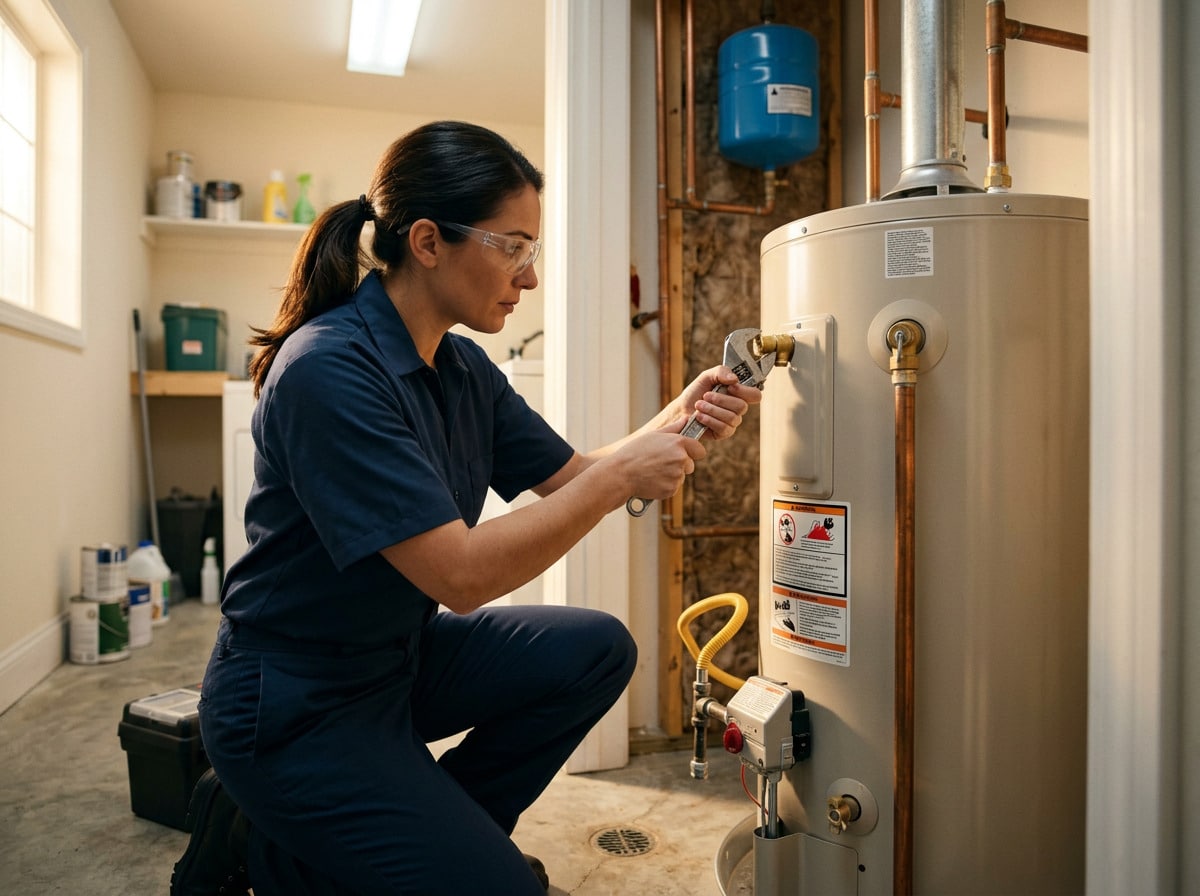
Essential Best Practices for Water Heater Installation and Maintenance
Understanding the nuances of water heater systems, from their initial installation to ongoing maintenance, is crucial for homeowners in Los Alamitos, CA. Proper practices ensure not only the longevity and efficiency of your unit but also the safety of your household. We’ll delve into the critical aspects of sizing, selection, and the professional guidelines that govern installation and maintenance.
Sizing and Selecting the Right System
Choosing the correct water heater for your home involves more than just picking a brand. It requires careful consideration of several factors, including household size, hot water demand, available fuel sources, and energy efficiency. The primary types of water heaters available today include traditional storage tank models, tankless (on-demand) units, and more advanced heat pump water heaters.
For a typical home in Los Alamitos, the “best” type depends heavily on individual needs. Storage tank water heaters are often more affordable upfront and store a reserve of hot water. Their capacity, measured in gallons, should align with your family’s peak hot water usage. For instance, a family of four might need a 40-50 gallon tank. Tankless water heaters, conversely, heat water as it’s needed, providing an endless supply of hot water and often boasting higher energy efficiency. However, their initial cost is usually higher, and they require specific venting and gas line or electrical upgrades. Heat pump water heaters, while highly efficient, work by extracting heat from the air, making them ideal for homes with adequate space and temperate climates, like those found in Southern California.
When selecting, consider the unit’s Energy Factor (EF) or Uniform Energy Factor (UEF), which indicates its overall efficiency. A higher EF/UEF means lower operating costs. Also, evaluate the recovery rate for storage tanks (how quickly it heats a new tank of water) and the flow rate for tankless units (how many gallons per minute it can heat).
Here’s a quick comparison to help you decide:
Professional Guidelines for Water Heater Installation and Maintenance
Proper installation is paramount for safety and performance. This isn’t a DIY job; it requires adherence to local building codes, manufacturer specifications, and safety standards. Key aspects include correct sizing of gas lines or electrical wiring, appropriate venting systems for combustion gases, and the installation of thermal expansion tanks to manage pressure fluctuations. Earthquake strapping is also a critical requirement in California to secure the unit against seismic activity.
During installation, professionals ensure that the temperature and pressure relief (TPR) valve is properly installed and routed to a drain, preventing dangerous pressure buildup. They also verify that the unit has adequate clearance from combustible materials and that all connections are secure and leak-free.
For ongoing maintenance, professionals follow a set of guidelines to keep your system running optimally. This includes inspecting the TPR valve, checking for leaks, examining the anode rod, and flushing the tank to remove sediment. These steps are crucial for extending the lifespan of the unit and maintaining its efficiency.
Recognizing Early Signs of Water Heater Failure and Safety Risks
Being proactive in identifying potential issues can save you from costly repairs or, worse, safety hazards. Your water heater often provides subtle clues before a major breakdown. Understanding these signs is key to timely intervention.
Water Leaks and Pressure Valve Malfunctions
One of the most obvious signs of trouble is a leak. Even a small puddle around the base of your water heater can indicate a problem. Leaks can stem from several sources:
- Tank fractures: Over time, the inner lining of the tank can corrode and crack, leading to leaks. This often signals that a replacement is imminent.
- Loose fittings or drain valves: Connections can loosen, or the drain valve can degrade, causing drips. These are often simpler to repair.
- TPR valve discharge: If your TPR valve is frequently discharging water, it indicates excessive pressure or temperature within the tank. This is a critical safety issue, as unchecked pressure can lead to an explosion. A malfunctioning TPR valve needs immediate attention.
Any sign of water damage around the unit, including discolored flooring or walls, should prompt an inspection. Ignoring leaks can lead to significant property damage and mold growth.
Gas Line Hazards and Combustion Issues
For gas water heaters, safety concerns extend to the fuel source and combustion process. Watch out for these critical signs:
- Gas odors: A distinct smell of rotten eggs near your water heater indicates a gas leak. This is an emergency that requires immediate action: evacuate your home, do not use electrical switches or phones, and call your gas company and emergency services from a safe location.
- Pilot light issues: If the pilot light frequently goes out, or if you have trouble igniting it, there could be an issue with the thermocouple, gas supply, or burner.
- Flame discoloration: The burner flame should be blue with yellow tips. A predominantly yellow or orange flame suggests incomplete combustion, which can produce dangerous carbon monoxide.
- Ventilation blockages: Ensure the exhaust vent is clear and free of obstructions. Blockages can cause carbon monoxide to back up into your home. Carbon monoxide is odorless and colorless, making it particularly dangerous. Installing carbon monoxide detectors near your water heater and throughout your home is a vital safety measure.
Other warning signs include strange noises like rumbling, popping, or whistling, which can indicate sediment buildup. Rust-colored water coming from your hot water taps often points to internal tank corrosion. Any metallic odors or a noticeable decrease in hot water supply or temperature are also indicators that your water heater needs professional attention.
Step-by-Step Procedures for Routine Water Heater Servicing
Regular maintenance is the cornerstone of a long-lasting and efficient water heater. By performing or scheduling routine servicing, homeowners in Los Alamitos can significantly extend their unit’s lifespan, improve its heating efficiency, and prevent unexpected breakdowns.
Managing Hard Water Scale with Annual Flushing
Los Alamitos, like many areas in Southern California, can experience hard water, which contains elevated levels of minerals like calcium and magnesium. Over time, these minerals accumulate at the bottom of your water heater tank as sediment. This buildup, known as hard water scale, acts as an insulator, forcing your heating element to work harder and longer to heat the water. This not only decreases heating efficiency but also increases energy consumption and operating costs.
To combat this, annual flushing of your water heater tank is essential. This process removes accumulated sediment and can significantly improve heat transfer.
- Turn off power/gas: For electric heaters, switch off the circuit breaker. For gas heaters, turn the gas valve to the “off” position.
- Turn off cold water supply: Locate the cold water inlet valve at the top of the water heater and turn it off.
- Open a hot water tap: Open a hot water faucet in your home to relieve pressure and prevent a vacuum from forming.
- Connect a hose: Attach a garden hose to the drain valve at the bottom of the water heater.
- Drain the tank: Direct the hose to a floor drain or outside, then open the drain valve on the water heater. Allow the tank to drain completely.
- Flush with cold water (optional but recommended): Once the tank is empty, briefly open the cold water supply valve to stir up any remaining sediment, then close it and allow the tank to drain again. Repeat until the water runs clear.
- Close drain valve and refill: Close the drain valve, disconnect the hose, and turn on the cold water supply to refill the tank.
- Bleed air and restore power/gas: Once the tank is full, close the open hot water faucet, and then restore power or gas to the unit.
This simple procedure, ideally performed by a professional annually, can prevent premature failure and maintain your water heater’s efficiency.
Anode Rod Inspection and Component Testing for Water Heater Installation and Maintenance
Beyond flushing, inspecting the anode rod and testing other components are crucial for comprehensive maintenance. The anode rod, often called the “sacrificial anode,” is a metal rod inside your water heater designed to corrode before the steel tank does. It protects the tank from rust and corrosion through a process called galvanic corrosion.
During an inspection, a technician will:
- Examine the anode rod: The rod should be checked every 3-5 years, or more frequently in areas with very hard water. If it’s heavily corroded or nearly consumed, it needs to be replaced. A depleted anode rod leaves your tank vulnerable to rust.
- Test heating elements (electric models): For electric water heaters, the heating elements can be tested for electrical continuity to ensure they are functioning correctly. Faulty elements can lead to insufficient hot water.
- Check thermostat calibration: The thermostat controls the water temperature. Ensuring it’s accurately calibrated prevents scalding and maintains consistent hot water supply.
- Inspect dip tubes: The dip tube delivers cold water to the bottom of the tank. If it’s cracked or broken, cold water can mix with hot water at the top, leading to lukewarm water.
- Evaluate the TPR valve: As mentioned, the TPR valve is a critical safety device. It should be tested periodically by a professional to ensure it opens and closes properly, preventing dangerous pressure buildup.
Regular, thorough inspections and timely replacement of components like the anode rod are vital steps in proactive water heater installation and maintenance, ensuring your unit operates safely and efficiently for years to come.
Selecting Qualified Contractors and Leveraging Energy Rebates
When your water heater needs attention, whether for routine maintenance, a complex repair, or a full replacement, choosing the right professional is paramount. For residents of Los Alamitos, CA, finding a reputable water heater repair company ensures quality service and peace of mind.
Compliance, Permits, and Professional Standards
When vetting potential contractors, prioritize those who demonstrate a commitment to professional standards and local compliance. Here’s what to look for:
- Trade Licensing: Verify that the company and its technicians are properly licensed to perform plumbing and water heater services in California. This ensures they have met state-mandated qualifications and expertise.
- Insurance Coverage: Confirm they carry comprehensive general liability and worker’s compensation insurance. This protects you from financial responsibility in case of accidents or damage during the service.
- Municipal Permits: Any new water heater installation or significant repair often requires a permit from the local building department in Los Alamitos. A reputable contractor will handle the permit application and ensure the work passes necessary inspections. This guarantees the installation meets all local codes and safety standards.
- Manufacturer Warranties: Inquire about how the contractor handles manufacturer warranties on parts and labor. A reliable company will ensure your warranty remains valid through proper installation and documentation.
- Emergency Response: Ask about their emergency service availability. A burst water heater doesn’t wait for business hours, so knowing a company can respond quickly is invaluable.
For more detailed guidance on selecting a trustworthy service provider, including what questions to ask and red flags to watch out for, you can find valuable insights on how to find reliable water heater repair installation services. This resource can help you make an informed decision for your home in Los Alamitos.
Maximizing Energy Rebates and Efficiency Incentives
Upgrading your water heater can be a significant investment, but there are often opportunities to offset costs through energy rebates and incentives. As of September 2026, California continues to be a leader in promoting energy efficiency and electrification.
- Energy Efficiency Programs: Look for federal tax credits, state-level rebates, and local utility incentives for installing high-efficiency water heaters, particularly heat pump models. Programs like those offered by Southern California Edison or Southern California Gas Company often provide substantial rebates for upgrading to ENERGY STAR® certified units.
- Federal Credits: The federal government frequently offers tax credits for energy-efficient home improvements, including certain types of water heaters. Consult current IRS guidelines or a tax professional for the most up-to-date information.
- Electrification Rebates: California’s push towards electrification means there are often enhanced incentives for switching from gas to electric heat pump water heaters, which significantly reduce greenhouse gas emissions and can lower your utility bills.
- Operational Savings: Beyond upfront incentives, investing in an energy-efficient water heater leads to long-term operational savings due to lower energy consumption. A professional contractor can help you navigate these programs and identify eligible units that qualify for maximum savings.
Always check with your utility provider and local government websites for the most current information on available rebates and programs in the Los Alamitos area.
Frequently Asked Questions About Water Heater Systems
Homeowners often have similar questions when it comes to their water heater’s performance and maintenance. Here, we address some of the most common inquiries to help you better understand and care for your system.
How long does a standard residential water heater typically last?
The lifespan of a water heater varies significantly based on its type, maintenance frequency, and local water quality.
- Storage Tank Water Heaters: A conventional storage tank water heater typically lasts between 8 to 12 years. Factors like aggressive hard water, lack of annual flushing, and insufficient anode rod replacement can shorten this lifespan. Conversely, consistent maintenance can help it reach the higher end of this range.
- Tankless Water Heaters: Tankless units generally boast a longer lifespan, often lasting 20 years or more. Their design, which heats water on demand and doesn’t store it, reduces the constant exposure to corrosive elements that affect tank models. Regular flushing to remove mineral buildup is still crucial for their longevity.
- Heat Pump Water Heaters: These units typically last 10 to 15 years, similar to or slightly longer than conventional tank models, provided they are properly maintained and installed in an appropriate environment.
Understanding these lifespans helps homeowners plan for eventual replacement and budget for necessary maintenance.
How does hard water impact water heater performance and lifespan?
Hard water, prevalent in many parts of Los Alamitos, has a significant impact on your water heater. The high mineral content, primarily calcium and magnesium, leads to:
- Mineral Scale Buildup: As water is heated, these minerals precipitate out and form a hard scale at the bottom of the tank (in storage models) or on the heat exchanger (in tankless models).
- Efficiency Loss: This scale acts as an insulator, reducing the water heater’s ability to transfer heat efficiently. The unit has to work harder and use more energy to reach the desired temperature, leading to higher utility bills.
- Component Degradation: The constant exposure to and buildup of scale can accelerate the wear and tear on internal components, such as heating elements, anode rods, and pressure relief valves. This can lead to premature failure of parts.
- Reduced Lifespan: Over time, the stress from scale buildup and reduced efficiency can shorten the overall lifespan of the water heater, leading to earlier replacement.
To mitigate these effects, annual tank flushing (as discussed earlier) is critical. Some homeowners in Los Alamitos also opt for whole-house water softening systems to reduce mineral content before it enters the water heater, providing comprehensive protection.
What are the most urgent safety signs of a failing water heater?
While many signs indicate a water heater needs attention, some demand immediate action due to potential safety risks:
- Gas Leaks: The distinct smell of rotten eggs near a gas water heater is an emergency. Immediately evacuate, do not use electrical devices, and call emergency services.
- Tank Bulging or Deformation: Any visible bulging, dents, or signs of deformation on the water heater tank indicate extreme internal pressure and a high risk of explosion. Shut off the water and gas/electricity immediately and call a professional.
- Active Flooding or Large Leaks: While small leaks can be problematic, rapid flooding from the unit requires immediate action. Turn off the cold water supply valve to the heater and shut off the gas or electricity.
- Scorching or Burning Odors: These smells, especially if accompanied by smoke, suggest an electrical malfunction, overheating, or a fire hazard. Turn off the power or gas immediately.
- No Hot Water (Gas Models): If your gas water heater suddenly stops producing hot water and you smell gas, it could indicate a dangerous gas supply issue.
In any of these urgent scenarios, prioritize safety by shutting off the appropriate utility to the unit and contacting a qualified water heater repair company in Los Alamitos, CA, without delay.
Conclusion
Ensuring the optimal performance and longevity of your home’s water heater is a blend of informed decision-making during installation and diligent, proactive maintenance throughout its life. For residents in Los Alamitos, CA, understanding the types of systems available, recognizing early warning signs, and adhering to routine servicing schedules can prevent inconvenient breakdowns and costly repairs.
By choosing a qualified and reputable water heater repair company for both installation and ongoing care, you invest in the safety, efficiency, and reliability of your hot water supply. Don’t underestimate the power of proactive maintenance – it’s the key to maximizing your system’s lifespan, optimizing energy consumption, and ultimately, ensuring long-term value and comfort for your home.